Encourage Compact Growth
Pinch back soft stem tips in late spring to keep plants low, dense, and less prone to splitting or lodging on rocky slopes or in shallow containers.

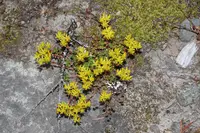
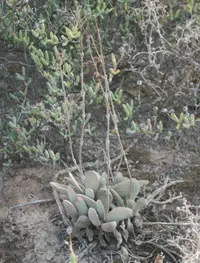
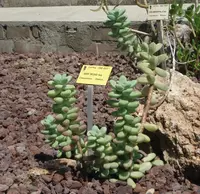
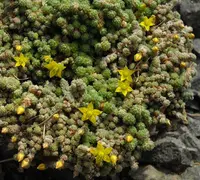
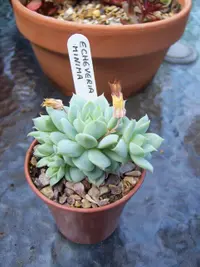
Oblongleaf stonecrop, Sedum oblanceolatum, is a small, drought-adapted succulent native to rocky slopes and outcrops of the Pacific Northwest in North America. It forms low, spreading mats of fleshy, oblong leaves that store water, often flushed with red tones in strong sun.
In late spring to summer, it produces clusters of small star-shaped flowers that attract pollinators and add seasonal color. The plant is naturally compact and slow to moderate in growth, which suits containers, rock gardens, and tight spaces.
This species is generally easy to grow because it tolerates poor, shallow soils, strong light, and dry conditions once established. Understanding how to care for oblongleaf stonecrop mainly involves avoiding excess moisture and providing sharp drainage.

Care Difficulty
Easy Care

Light Preference
Full Sun

Water Requirements
Low Water

Temperature Preference
Cold Hardy

Hardiness Zone
6–9

Soil Texture
Sandy, Loamy, Rocky

Soil pH
Slightly acidic (6.5–7.0), Neutral (7.0)

Soil Drainage
Well-drained

Fertilization
Minimal (feed rarely)
Scan your plant to receive care tips personalized for your specific plant
Available on iOS and Android
This sun-loving succulent thrives in bright, open sites that mimic its rocky native habitat.
This species prefers infrequent, deep watering that allows the soil to dry well between soakings.
This hardy succulent tolerates a wide temperature range but grows best in moderate conditions.
This species handles low atmospheric moisture well, so humidity management is rarely critical.
Sedum oblanceolatum prefers very lean, fast-draining, mineral soils that mimic rocky slopes.
This sedum is suitable for container growing when the pot and mix keep roots dry and well aerated.
This drought-adapted succulent needs minimal feeding, so use light applications only during active growth.
Sedum oblanceolatum benefits from light, periodic pruning to keep clumps compact and healthy.
This sedum is often grown in rock gardens or shallow containers and prefers infrequent disturbance.
Sedum oblanceolatum plant care often includes renewing patches through simple vegetative propagation.
This species is generally cold hardy in much of the US and needs only modest winter attention in the ground.

Plant Health Check
Not sure what's wrong with your plant? Check your plant's health inside the app.
This species is naturally restricted to rocky outcrops and talus on basalt formations of the Columbia River Gorge and nearby areas in Oregon and Washington, where it anchors itself in very shallow, nutrient-poor soils.
In many wild sites the foliage can retreat or dry back during the hottest, driest part of summer, allowing the underground parts to survive seasonal drought and resume growth under cooler, moister conditions.
Leaves are typically bluish green but can flush red to purplish at the tips in strong sun or under drought stress, a response linked to increased production of protective pigments called anthocyanins.

Sedum oblanceolatum was only formally described in the mid-20th century and remains a regional endemic of the Pacific Northwest, making it of particular interest to botanists who study narrow-range plants adapted to volcanic rock habitats.
This species forms low, slowly widening clumps or mats rather than running aggressively. It spreads mainly from short stems and occasional self-seeding, so it usually stays manageable and is not considered a thug in rock gardens.
Keep your plants happy and healthy with plant identification, disease detection, and easy care guidance.