Oregon stonecrop Care (Sedum oreganum)

Oregon stonecrop

About Oregon stonecrop

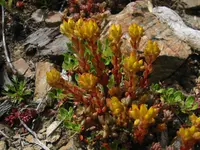
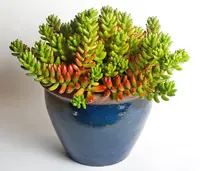
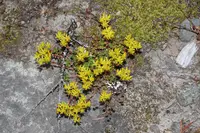
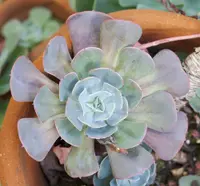
Oregon stonecrop (Sedum oreganum) is a small, mat-forming succulent grown mainly as a groundcover or in rock gardens. It stores water in its fleshy leaves, which often turn red or bronze in strong sun or cool weather.

This species is native to rocky slopes and coastal cliffs of the Pacific Northwest, where it thrives in thin, fast-draining soils. Its tolerance of drought, poor soil, and temperature swings makes it a reliable, low-maintenance choice if you want to care for Oregon stonecrop.

It prefers bright light, moderate moisture, and gritty, well-drained soil to avoid root problems.

Main Plant Requirements

Care Difficulty

Easy Care

Light Preference

Full Sun

Water Requirements

Low Water

Temperature Preference

Cold Hardy

Hardiness Zone

5–9

Soil Texture

Sandy, Loamy, Rocky

Soil pH

Acidic (5.5–6.5), Slightly acidic (6.5–7.0)

Soil Drainage

Well-drained

Fertilization

Minimal (feed rarely)

Get Personalized Care Plan

Scan your plant to receive care tips personalized for your specific plant

Available on iOS and Android

How to Care for the Oregon stonecrop

This low-growing succulent thrives in bright conditions that mimic its native rocky habitats.

  • Provide 4–6 hours of direct sun daily, ideally with morning sun and light afternoon shade to prevent leaf scorch in hot summers.
  • Tolerates partial shade, but stems may stretch and color fades if it receives less than 3–4 hours of sun; move Oregon stonecrop to a brighter spot if growth becomes leggy.
  • In cooler coastal or northern climates it can handle full sun all day, while in hotter inland sites filtered light during peak afternoon hours is beneficial.

This drought-tolerant sedum prefers infrequent, deep watering and fast-draining soil.

  • Outdoors in the ground, water only when the top 3–5 cm of soil are completely dry, then soak and let excess drain away.
  • In spring and early summer, slightly increase watering as new growth appears; reduce sharply in late fall and winter, especially in rainy climates to avoid root rot in Sedum oreganum.
  • Watch for overwatering signs such as mushy, translucent leaves, and underwatering signs like wrinkled, shriveled foliage; adjust frequency rather than amount.

This hardy succulent tolerates a wide temperature range but grows best in mild conditions.

  • Active growth occurs around 60–75°F (16–24°C), making cool to warm temperate climates ideal for dense mats and healthy leaf color.
  • Mature plants in the ground typically survive down to about 0°F (−18°C) with good drainage; prolonged frozen, waterlogged soil greatly increases rot risk.
  • Handles summer heat up to about 90–95°F (32–35°C) if soil is not constantly wet; light afternoon shade and mulch around, not over, the crown help during hot, dry spells.

This species prefers dry to moderately dry air and rarely needs extra humidity.

  • Aim for 30–50% humidity, similar to typical indoor or sheltered outdoor conditions.
  • Dry air is well tolerated; problems usually arise only with persistently damp foliage rather than low humidity.
  • Signs of humidity-related stress include soft, translucent leaves or stem rot, in which case improve airflow instead of raising humidity.

Sedum oreganum needs very well-drained, gritty soil that stays lean and airy.

  • Use a sandy or gritty mix, such as 50–70% mineral components (coarse sand, fine gravel, or pumice) blended with 30–50% standard potting mix.
  • Target slightly acidic to neutral pH around 6.0–7.0, avoiding strongly acidic soils that can increase nutrient solubility and root stress.
  • Improve aeration and drainage by adding coarse perlite or pumice, avoiding fine peat-heavy mixes that hold water around the roots.
  • Avoid compacted clay, slow-draining spots, or sites where water collects after rain, since persistent saturation quickly leads to root rot.

This species is well suited to container growing, especially in shallow, wide pots or troughs.

  • Choose a shallow container with broad surface area to accommodate its mat-forming spread and limit excess wet substrate depth.
  • Select unglazed terracotta or similarly porous materials to help moisture evaporate quickly in cool or wet climates.
  • If the container sits outdoors, raise it slightly on pot feet or bricks to ensure rapid drainage from the base after rain.

This low-nutrient-adapted succulent needs only light feeding to stay healthy in typical garden soils.

  • Use a diluted balanced liquid fertilizer (e.g., 10-10-10 at 1/4–1/2 strength) or a very thin layer of mature compost in spring.
  • Feed once at the start of the growing season; in poor, sandy soils, a second light feeding in mid-summer is enough.
  • Avoid high-nitrogen products, which cause weak, floppy growth and reduce drought tolerance.
  • Skip fertilizer in fall and winter to allow natural dormancy and prevent soft, cold-tender growth.

Pruning Sedum oreganum is mainly cosmetic, helping maintain a tidy mat and encourage fresh growth.

  • Best timing is late winter or early spring before strong new growth begins.
  • Shear or pinch back leggy, sprawled stems to shape the clump and thicken coverage.
  • Remove dead, damaged, or moldy foliage with clean scissors or hand pruners to reduce disease risk.
  • After flowering, trim off spent flower stalks to refresh appearance without harming next season’s growth.

This hardy groundcover usually stays in place for years, but container plants or crowded patches may need transplanting.

  • Look for roots circling the pot, soil drying very fast, or noticeably slow growth as signals to move or divide clumps.
  • Transplant or up-pot in spring or early fall so plants can root in before summer heat or hard freezes.
  • Expect to repot container-grown plants every 2–3 years into a shallow, well-drained, gritty mix.
  • Minimize root stress by watering the day before, teasing roots gently, replanting at the same depth, then shading and watering lightly for 1–2 weeks.

Sedum oreganum is commonly propagated to expand groundcover patches or share plants.

  • Use stem cuttings in late spring–summer; let cut ends dry for 1–2 days, then place on gritty, barely moist mix until rooted.
  • Divide mature clumps in spring or early fall, replanting firm, healthy sections with good root pieces.
  • Leaf cuttings also root if placed on the soil surface in bright, indirect light with low to moderate moisture.
  • Seeds can be sown on the surface of a well-drained mix; keep slightly moist and bright, avoiding heavy cover.

This species is generally cold hardy in much of its range and needs minimal winter care once established in the ground.

  • In colder areas, a light, dry mulch (gravel or coarse bark) around the crown helps insulate roots without trapping moisture.
  • Container plants are more vulnerable; move pots to a sheltered, unheated spot where soil stays cool but not waterlogged.
  • Allow top growth to die back naturally, then remove mushy or moldy foliage in late winter to reduce disease pressure.

Care Tips

Promote Dense Mats

Pinch back or lightly trim longer shoots after flowering to encourage tight, low mats rather than sparse, elongated growth, especially at the edges of rock walls or containers.

Improve Winter Drainage

In regions with wet winters, slightly mound the planting area or add a gravelly topdressing so excess water sheds away from the crowns and roots, reducing rot risk.

Use Gravel Mulch

Apply a 1–2 cm layer of coarse grit or small gravel around the plants to keep foliage dry, limit weed competition, and stabilize soil temperatures without trapping excess moisture.

Divide For Renewal

Every 3–4 years, lift and gently divide thick, older patches in early spring, replanting only the freshest outer sections to maintain vigorous carpets and fill new gaps.

Protect From Foot Traffic

Place stepping stones or edging where people may walk so the plant is not repeatedly crushed, which can damage stems and compact soil, especially when growing Oregon stonecrop between pavers.

Common Pests and Diseases

Aphids

These insects cluster on tender shoots and flower stems, sucking sap and causing distortion, sticky honeydew, and sooty mold growth. This pest tends to appear on lush new growth, especially in spring or after overfertilization.

Solution

Spray the affected stems with a firm stream of water to dislodge colonies, then treat remaining insects with insecticidal soap or a light horticultural oil, repeating every 5–7 days until populations drop. Reduce nitrogen-rich fertilizer, encourage natural predators like lady beetles, and avoid overhead watering late in the day to limit humidity around the foliage.

Mealybugs

These insects appear as small white cottony clusters in stem joints and on the undersides of leaves, weakening plants as they feed on sap. This pest is more common on container or rock-garden plants that are sheltered and somewhat crowded.

Solution

Isolate infested plants, then dab visible mealybugs with cotton swabs dipped in 70% isopropyl alcohol and remove heavily infested stems. Follow up with insecticidal soap or neem oil on all plant surfaces and reduce overcrowding to improve airflow and discourage reinfestation, an important part of Sedum oreganum care instructions in containers.

Spider mites

These pests are tiny and often unnoticed until fine webbing and stippled, dull foliage appear, especially in hot, dry sites. This pest can cause leaves to yellow and drop prematurely on stressed plants in shallow or sandy soils.

Solution

Rinse plants thoroughly with water, focusing on the undersides of leaves, and repeat several times per week to break the mite cycle. Increase ambient humidity slightly around container plants, avoid drought stress, and only if needed apply insecticidal soap or a light horticultural oil labeled for mites, making sure to cover all leaf surfaces.

Powdery mildew

This disease shows as white to gray powdery patches on leaves and stems, which may lead to yellowing and premature leaf drop in dense mats of foliage. Symptoms include more severe coverage in late summer or in humid, shaded locations.

Solution

Remove and discard affected leaves to reduce spores, then improve air circulation by thinning dense patches and avoiding overhead watering. If conditions remain humid, apply a sulfur-based or potassium bicarbonate fungicide labeled for ornamentals, and keep the soil freely draining so foliage dries quickly after rain or irrigation.

Fungal leaf spots

This disease presents as small brown, tan, or black spots on leaves that can merge into larger lesions, especially in plants growing in overly wet or shaded conditions. Symptoms include premature leaf drop and thinning of groundcover mats in poorly drained areas or overcrowded containers.

Solution

Prune and discard badly spotted foliage, then space plants to improve airflow and water at soil level rather than from above. In persistently wet climates or high-value plantings, use a copper-based or other broad-spectrum ornamental fungicide as a preventive during prolonged wet periods, and amend soils or containers to improve drainage to support long-term plant health.

Interesting Facts

Pacific coastal specialist

This species is native to rocky coastal bluffs and cliffs from northern California to British Columbia, where it is adapted to thin, fast-draining soils regularly exposed to wind and salt spray.

Rhizome-based mat growth

Instead of relying only on surface stems, it spreads via short underground rhizomes that allow it to form tight evergreen mats that help stabilize shallow, shifting substrates such as rock crevices.

Seasonal color shifts

Its leaves often turn red to bronze under strong sun, drought, or cold stress, a response linked to increased production of protective pigments called anthocyanins that help shield tissues from damage.

Botan icon

Did you know?

In its native habitat, Oregon stonecrop is one of the few succulent groundcovers that can persist for years on nearly soil-free coastal rocks, where it helps create tiny pockets of organic matter that later allow mosses and other small plants to colonize the same surfaces.

FAQs about Oregon stonecrop

This species forms low, slowly expanding mats. It spreads by short stems and rooting at nodes, but usually stays contained. In garden beds, simple edging or occasional division is enough to keep it within bounds.

Grow Healthy Plants with Botan Care

Keep your plants happy and healthy with plant identification, disease detection, and easy care guidance.

Botan plant care app — identify plants on mobile

Explore More Plants