


Encourage Compact Clumps
Pinch back soft new tips in spring to keep plants low, dense, and less prone to splitting apart, especially in richer soils.

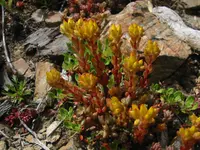
Spearleaf stonecrop (Sedum lanceolatum) is a small, mat-forming succulent native to dry, rocky slopes and open areas of western North America. It often grows in thin soils where many other plants struggle. The plant forms low clusters of narrow, pointed leaves that store water, with yellow star-shaped flowers held above the foliage in season. Its compact size and drought tolerance make it suitable for rock gardens, green roofs, and containers. This species prefers strong light, well-drained gritty soil, and infrequent watering, which simplifies how to care for spearleaf stonecrop for most home gardeners.

Care Difficulty
Easy Care

Light Preference
Full Sun

Water Requirements
Low Water

Temperature Preference
Cold Hardy

Hardiness Zone
3–8

Soil Texture
Sandy, Loamy, Rocky

Soil pH
Slightly acidic (6.5–7.0), Neutral (7.0)

Soil Drainage
Well-drained

Fertilization
Minimal (feed rarely)
Scan your plant to receive care tips personalized for your specific plant
Available on iOS and Android
This cold-hardy succulent thrives in strong light and open sites.
This species is strongly drought tolerant and prefers infrequent, light watering.
This hardy succulent copes well with temperature extremes when planted in sharp-draining soil.
Humidity is rarely a concern for this drought-adapted succulent.
Sedum lanceolatum prefers very lean, fast-draining, mineral soil that never stays wet for long.
This species is well suited to container growing outdoors.
This drought-adapted succulent needs only light feeding to stay healthy and compact.
Sedum lanceolatum benefits from light, targeted pruning to keep clumps tidy and flowering well.
This hardy sedum is usually grown in the ground, with occasional transplanting or container repotting when overcrowded.
Sedum lanceolatum is commonly multiplied by stem cuttings, leaf pieces, and division of mature clumps.
This species is cold hardy and usually needs minimal winter care in most temperate climates.

Plant Health Check
Not sure what's wrong with your plant? Check your plant's health inside the app.
This species can shed part or all of its succulent leaves during severe drought, reducing water loss and then regrowing foliage quickly once moisture returns.
It naturally occurs in dry, rocky habitats from foothills up to subalpine elevations in western North America, where it tolerates intense sun, cold nights, and thin, fast-draining soils.
Stems of this plant can root where they touch soil, allowing patches to slowly expand into low mats or loose colonies anchored in rock crevices.

Sedum lanceolatum serves as a crucial native nectar and pollen source for early-summer bees and other pollinators in many high-elevation and arid western North American ecosystems, flowering when few other plants are in bloom.
Flowering often declines when clumps become crowded or shaded. Divide older mats, ensure several hours of direct sun, and avoid high-nitrogen fertilizer. Very dry soil during bud formation or late frosts can also reduce or abort blooms.
Keep your plants happy and healthy with plant identification, disease detection, and easy care guidance.

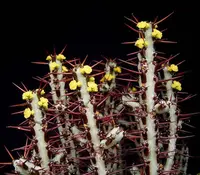
Verdigris Spiny Milkweed
Euphorbia aeruginosa
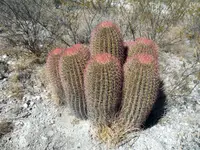
Mexican lime cactus
Ferocactus pilosus
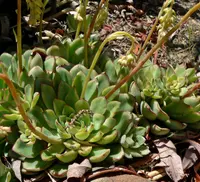
Echeveria pulidonis
Echeveria pulidonis
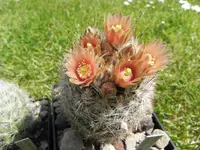
Big Bend foxtail cactus
Escobaria dasyacantha
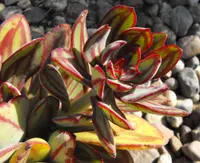
Painted Echeveria
Echeveria nodulosa
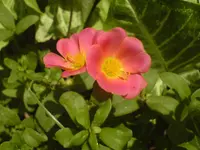
Wingpod purslane
Portulaca umbraticola
 POPULAR
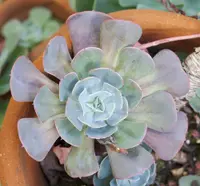
Ghost Echeveria
Echeveria lilacina
Heart-leaved Crassula
Crassula cordata