Emory's barrel cactus Care (Ferocactus emoryi)

Emory's barrel cactus

About Emory's barrel cactus

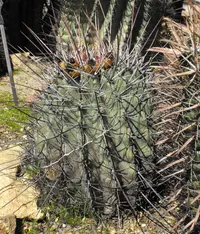
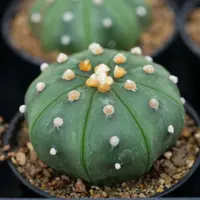
Emory's barrel cactus, Ferocactus emoryi, is a desert cactus known for its stout, cylindrical body and prominent, hooked spines. Mature plants form heavy barrels that remain solitary or slowly clump with age.

This species occurs naturally in the Sonoran Desert of the southwestern United States and northern Mexico, where it endures intense sun, heat, and long dry periods. Its thick skin and fleshy ribs store water and help it survive drought.

These adaptations make it relatively straightforward to care for Emory's barrel cactus in cultivation, as long as the soil drains quickly and watering stays infrequent. It responds best to strong light, low humidity, and lean, mineral-rich substrates that mimic its native habitat.

Main Plant Requirements

Care Difficulty

Moderate Care

Light Preference

Full Sun

Water Requirements

Low Water

Temperature Preference

Tropical / Frost Sensitive

Hardiness Zone

9–11

Soil Texture

Sandy, Rocky, Loamy

Soil pH

Slightly acidic (6.5–7.0), Neutral (7.0)

Soil Drainage

Well-drained

Fertilization

Minimal (feed rarely)

Get Personalized Care Plan

Scan your plant to receive care tips personalized for your specific plant

Available on iOS and Android

How to Care for the Emory's barrel cactus

This desert cactus needs strong light to maintain compact, healthy growth.

  • Provide 6–10 hours of direct sun daily, ideally with morning sun and some protection from intense late-afternoon summer rays in very hot climates.
  • Young or recently transplanted Emory's barrel cactus benefits from 1–2 weeks of filtered light or light shade to prevent sunburn before moving into full sun.
  • In winter, ensure the plant still receives bright sun; prolonged low light causes pale growth, elongation, and weak spines.

This species is highly drought-tolerant and is more often harmed by excess moisture than by dryness.

  • Allow the soil to dry completely through the root zone; in pots, ensure the top 3–5 cm and drainage holes feel dry before watering again.
  • During active growth in spring–summer, water deeply but infrequently, then let excess drain away; in fall–winter, reduce to very occasional sips or keep almost dry in cool conditions.
  • Use very fast-draining mineral soil; overwatering shows as yellowing, soft, or blackened tissue, while deep wrinkling and shrinking ribs signal it is time to water Ferocactus emoryi.

This cactus prefers hot, arid conditions but can cope with short periods of cold if kept dry.

  • Aim for daytime temperatures of 75–95°F (24–35°C) during active growth, with cooler nights down to about 55–65°F (13–18°C) to mimic desert swings.
  • Keep it above 40°F (4°C) for safety; it may tolerate brief drops near 32°F (0°C) only if the soil is completely dry and air is not humid.
  • Protect from frost and freezing rain, and in extreme heat above 105°F (40°C) provide airflow and, if possible, light afternoon shade to prevent tissue scorching.

This desert cactus prefers dry air and does not require elevated humidity.

  • Keep relative humidity around 20–40% to mimic its native arid conditions.
  • Dry indoor air is well tolerated; avoid placing it near humidifiers or steamy kitchens and bathrooms.
  • High humidity can cause corky spots or fungal patches; improve airflow and reduce nearby moisture sources if this appears on Emory's barrel cactus.

This cactus needs a very fast-draining, mineral-rich substrate to prevent root rot.

  • Use a coarse, gritty mix based on cactus soil with 40–60% mineral material such as pumice, perlite, or coarse sand.
  • Maintain a loose, open structure with visible particles so water moves through quickly and air reaches the roots.
  • Aim for slightly acidic to neutral pH, roughly 6.0–7.0, which suits Ferocactus emoryi in cultivation.
  • Avoid dense, peat-heavy or clay soils; if using bagged cactus mix, cut it heavily with extra grit to improve drainage and aeration.

This species is well suited to container growing when the pot is chosen for fast drainage and stability.

  • Select a heavy, wide-based container to counterbalance the tall, top-heavy stem as it matures.
  • Choose unglazed terracotta if extra evaporation is needed in cooler or less sunny locations.
  • Leave a small gap between the substrate surface and the rim so infrequent deep watering does not overflow and can drain rapidly.

This desert cactus needs only light feeding to support slow, compact growth.

  • Use a low-nitrogen balanced cactus fertilizer (for example 5-10-10) or a diluted balanced liquid fertilizer at 1/4–1/2 strength.
  • Feed Ferocactus emoryi once in late spring and once in midsummer during active growth, after watering the soil first.
  • Do not apply compost or rich organic fertilizers that hold excess moisture around the roots.
  • Stop feeding entirely in fall and winter to allow proper dormancy and avoid soft, weak tissue.

Maintenance pruning for this cactus is minimal and mainly for health and safety.

  • In late spring or early summer, remove only clearly dead, dried, or rotting tissue at the base with clean, sharp tools.
  • Avoid cutting healthy ribs or spines of Ferocactus emoryi, as this can leave permanent scars and infection sites.
  • Use long-handled tongs and thick gloves to handle the plant and fallen segments safely.
  • Disinfect blades before and after pruning with isopropyl alcohol to reduce the risk of fungal or bacterial entry.

This slow-growing barrel cactus needs infrequent repotting and dislikes frequent root disturbance.

  • Plan to repot every 4–6 years, or when roots circle the pot bottom, emerge from drainage holes, or growth slows noticeably.
  • Act in late spring, when temperatures are consistently warm, to allow quick root recovery and renewed growth.
  • Use a pot just 2–5 cm wider with excellent drainage and a gritty cactus mix, handling the plant with thick gloves or tongs.
  • Let roots dry for 3–5 days after removing old soil, then pot Ferocactus emoryi and wait 7–10 days before the first light watering.

This species is usually propagated from seed, which requires patience and stable warm conditions.

  • Sow fresh seeds in late spring or early summer in a sterile, very well-drained cactus mix.
  • Press seeds onto the surface and barely cover with fine grit, then mist lightly to settle them in place.
  • Maintain 70–80°F, bright indirect light, and gently moist (not wet) substrate until germination over several weeks.
  • Once seedlings of Ferocactus emoryi show firm growth and small spines, gradually increase light and reduce watering intervals.

This cactus tolerates brief light frost when dry but benefits from controlled winter conditions in cultivation.

  • Keep plants cool and dry in winter, around 45–55°F, to support dormancy and firm growth.
  • Avoid any overhead watering in cold conditions to limit rot on the crown and ribs.
  • Move container plants indoors or into an unheated bright shelter where temperatures stay above about 25°F.
  • In-ground plants in marginal climates may benefit from a gravel mulch to keep the root zone dry during winter rains.

Care Tips

Rotate Container Safely

Rotate the pot 1–2 times per month using tongs or folded thick cloth around the base, not the spines, so light reaches all sides evenly without stressing the roots or breaking spines.

Gradual Sun Hardening

When moving a plant from indoor light or shade to stronger sun, increase exposure by 30–60 minutes every few days to prevent corky sunburn patches on the epidermis.

Topdressing With Grit

Apply a 1–2 cm layer of coarse mineral grit (pumice, granite, or similar) over the soil surface to keep the neck of the plant dry, reduce rot risk, and stabilize the heavy stem.

Root Inspection Cycle

Every 3–4 years, unpot during the warm, dry season, gently remove old soil, trim any black or mushy roots, let cuts dry 2–3 days, then repot in fresh, highly mineral mix for healthier long‑term growth.

Winter Dry Rest

In regions with cool, bright winters, keep the plant almost completely dry and in a very bright, frost-free spot to support a natural rest period and improve flowering potential when growing Emory's barrel cactus.

Common Pests and Diseases

Cochineal scale

This pest appears as dense white, cottony patches on ribs and between spines, often accompanied by sticky residue and sooty mold. These insects feed on cactus sap and can weaken the plant over time.

Solution

Isolate the plant, then scrub affected areas with a cotton swab or soft brush dipped in 70% isopropyl alcohol, taking care not to damage the epidermis. For heavier infestations, repeat alcohol treatments weekly and use a systemic insecticide labeled for cacti if the plant is grown outdoors or in a well-ventilated area.

Cactus mealybugs

This pest hides in spine clusters, areoles, and the base of the plant, forming small white, fuzzy clumps. These insects suck sap, stunt growth, and can introduce fungal growth on the honeydew they excrete.

Solution

Remove visible mealybugs manually with tweezers or a cotton swab dipped in 70% isopropyl alcohol, then spray the plant, including crevices, with alcohol or an insecticidal soap solution. Check the root zone when repotting and, if root mealybugs are present, wash off soil, trim infested roots, and replant into fresh, well-draining cactus mix.

Red spider mites

This pest causes dull, bronzed, or roughened patches on the epidermis, especially in hot, very dry indoor conditions. These insects are tiny and may be barely visible, but fine webbing can appear in severe cases.

Solution

Rinse the plant thoroughly with a firm stream of water, focusing on ribs and spine bases, then increase air movement and avoid overheated, stagnant indoor air. For persistent infestations, apply a miticide or insecticidal soap labeled for mites and repeat at 7–10 day intervals while monitoring for new damage, which supports Ferocactus emoryi care instructions in dry climates.

Bacterial soft rot

This disease causes wet, foul-smelling, mushy areas on the stem that spread rapidly, often starting from a wound or water-sitting point. Symptoms include collapse of tissue and discoloration from healthy green to dark, translucent areas.

Solution

Cut out all affected tissue with a sterile knife back into firm, healthy flesh, then allow the wound to dry and callus in a dry, shaded area with excellent airflow. Discard severely affected plants, sterilize tools, and avoid overhead watering or water sitting in the crown, especially in cool conditions.

Fusarium stem rot

This disease starts as localized yellowing or sunken lesions on ribs that gradually turn brown and corky, sometimes with internal reddish or brown streaking when cut open. Symptoms include slow decline rather than sudden collapse, especially in plants exposed to cool, wet soil for extended periods.

Solution

Remove and discard affected sections if the rot is localized, cutting back to clean, unblemished tissue and allowing the wound to callus completely before replanting. Improve drainage using a very gritty cactus mix, water only when soil is fully dry, keep temperatures above 60°F, and avoid reusing old, contaminated potting media or pots without thorough disinfection.

Interesting Facts

Coastal desert specialist

This species is naturally concentrated in the Sonoran Desert of northwestern Mexico, often on rocky hillsides and coastal slopes in Sonora and Baja California Sur, where it tolerates intense sun, reflected heat, and very low rainfall.

Heavily armoured ribs

It forms a stout barrel with prominent, thick ribs lined by robust hooked central spines that can shade the stem surface, reduce herbivore damage, and slightly buffer temperature swings on the cactus body.

Showy summer blooms

Mature plants produce large funnel-shaped flowers in shades of red to pinkish-red at the stem apex during the warmer months, which are followed by dry, yellowish fruits that can persist for a long time on the plant.

Botan icon

Did you know?

Field observations show that this cactus often acts as a nurse plant for its own seedlings and other desert species, with its shaded base and trapped organic debris creating small, cooler, more humid microsites where young plants are more likely to survive than in surrounding exposed soil.

FAQs about Emory's barrel cactus

Growth is slow. In typical home or landscape conditions, it may add only 1–3 cm in height per year. Young plants establish roots first, then gradually thicken and gain height over many years.

Grow Healthy Plants with Botan Care

Keep your plants happy and healthy with plant identification, disease detection, and easy care guidance.

Botan plant care app — identify plants on mobile

Explore More Plants