BotaN logo

Powderpuff cactus Care (Mammillaria bocasana)

About Powderpuff cactus

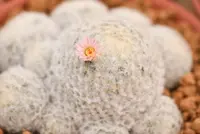
Powderpuff cactus, Mammillaria bocasana, is a small, clustering cactus known for its dense white hairs and fine spines that give it a soft, fluffy look. It often forms low mounds of many small stems, each topped with delicate cream to pale pink flowers in a ring near the crown.

This species comes from arid regions of central Mexico, where it grows on rocky slopes with excellent drainage and high light. Its compact size, slow growth, and drought tolerance make it suitable for windowsills and small indoor collections, especially for those learning how to care for Powderpuff cactus.

It prefers bright light, infrequent watering, and a gritty, fast-draining soil mix to stay healthy and avoid root problems.

Main Plant Requirements

Care Difficulty

Easy Care

Light Preference

Full Sun

Water Requirements

Low Water

Temperature Preference

Warm Climate

Hardiness Zone

9–11

Soil Texture

Sandy, Loamy, Rocky

Soil pH

Slightly acidic (6.5–7.0), Neutral (7.0)

Soil Drainage

Well-drained

Fertilization

Minimal (feed rarely)

Get Personalized Care Plan

Scan your plant to receive care tips personalized for your specific plant

Available on iOS and Android

How to Care for the Powderpuff cactus

This small cactus needs bright light with some protection from intense midday sun.

  • Provide 4–6 hours of direct morning sun plus bright indirect light the rest of the day for compact growth.
  • Tolerates light afternoon sun in cooler seasons, but in summer give Powderpuff cactus filtered light or light shade after 12–1 p.m. to prevent scorching and yellow patches.
  • If stems elongate or lean strongly toward a window, increase light exposure or move to a brighter south- or west-facing spot.

This species prefers thorough but infrequent watering and dries quickly between soakings.

  • Water only when the top 3–5 cm of soil are completely dry; then soak the root zone and let excess drain away fully.
  • Reduce watering greatly in fall and winter, giving just enough to prevent shriveling, since Mammillaria bocasana rests in cooler, low-light months.
  • Watch for overwatering signs such as blackened bases, mushy tissue, or a sour smell, and for underwatering signs like pronounced wrinkling and loss of firmness.

This cactus prefers warm, dry conditions and does not tolerate hard frost.

  • Aim for 70–85°F (21–29°C) in the main growing season, with good air circulation to prevent overheating in strong sun.
  • It tolerates short drops to about 25–30°F (-4 to -1°C) if completely dry, but repeated or wet frosts can damage stems and roots.
  • In winter, a cool, bright rest at 45–55°F (7–13°C) supports flowering, while summer heat above 95°F (35°C) is acceptable if soil stays dry and the plant is shaded in midafternoon.

This desert cactus prefers dry indoor air and does not need added humidity.

  • Aim for 20–40% humidity, similar to typical heated homes in arid or temperate regions.
  • It tolerates very dry air; prolonged humidity above 50% increases rot and fungal risk.
  • Watch for soft, pale, or blackening stem bases as signs of excess humidity and improve air movement rather than misting the Powderpuff cactus.

Use a very fast-draining, mineral-based mix to keep roots dry between waterings.

  • Choose a sandy, gritty structure rather than loamy or peat-heavy mixes, which hold excess moisture around the roots.
  • Combine roughly 30% cactus potting mix with 70% mineral material such as pumice, coarse sand, and small gravel to enhance drainage and aeration.
  • Keep pH slightly acidic to neutral (about 6.0–7.0), which most commercial cactus substrates naturally provide.
  • Avoid dense garden soil, high compost content, or fine play sand, as these compact over time and promote root rot in Mammillaria bocasana.

This species is very suitable for container growing due to its compact, clumping habit.

  • Select a wide, shallow pot so the shallow root system can spread horizontally without staying wet at depth.
  • Use a container with large, unobstructed drainage holes to let water exit quickly and prevent perched water at the base.
  • Choose unglazed terracotta in humid or cooler homes to increase evaporation through the pot walls and keep the root zone drier.

Mammillaria bocasana benefits from light, controlled feeding during the active growing season in spring and summer.

  • Use a low-nitrogen, balanced cactus fertilizer (for example 5-10-10) or diluted general balanced NPK formulated for succulents.
  • Apply every 4–6 weeks during active growth, always on slightly moist soil to avoid root burn.
  • Dilute liquid fertilizer to 1/4–1/2 the label strength, as Powderpuff cactus is sensitive to excess nutrients.
  • Stop feeding in fall and winter to support a cool, dry rest period and prevent weak, etiolated growth.

Mammillaria bocasana needs minimal pruning and is usually maintained by simple cleaning rather than shaping.

  • Best timing is late spring or early summer when the plant is actively growing and recovers faster.
  • Remove only dead, shriveled, or diseased stems and any dried flowers or fruit using clean, sharp scissors or small pruning snips.
  • Cut crowded or damaged offsets at the base if they trap moisture or invite rot, preserving the natural clumping form.
  • Disinfect tools before and after use, and allow any wounds or cut surfaces to dry and callus in bright, airy conditions.

This cactus prefers slightly tight pots and infrequent repotting, which helps maintain compact, healthy growth.

  • Plan to repot every 3–4 years, or when roots circle the pot, emerge from drainage holes, or growth becomes noticeably slow.
  • Choose late spring as the best time, when Mammillaria bocasana is entering active growth and can re-establish quickly.
  • Use a shallow pot with excellent drainage and a gritty cactus mix to keep roots aerated and reduce rot risk.
  • Gently loosen the old root ball, remove dead roots, let any broken roots callus for 1–2 days, then replant and keep soil almost dry for 7–10 days.

Mammillaria bocasana is commonly multiplied by removing offsets and, less frequently, by seed.

  • Detach small offsets in late spring or early summer using sterile scissors or a twisting motion at the base.
  • Allow offsets to dry and callus for 3–7 days, then place on or in a gritty, barely moist cactus mix for rooting.
  • Provide bright, indirect light, warm temperatures around 70–80°F, and very light watering until firm roots form.
  • For seed, surface-sow on sterile cactus mix, keep slightly moist and warm, and give bright shade until seedlings strengthen.

This cactus needs cool, very dry winter conditions and must be shielded from freezing temperatures.

  • Keep winter temperatures around 45–55°F; avoid exposure below 32°F to prevent tissue damage.
  • Move container plants indoors or to an unheated but frost-free, bright space such as a cold greenhouse or sunroom.
  • Stop watering almost completely, giving only a light sip once every 4–6 weeks if stems start to shrivel significantly.
  • Ensure strong light and good air movement to reduce fungal problems during the cool, dormant period.

Care Tips

Rotate For Symmetry

Turn the pot 90° every 2–3 weeks during active growth so the plant receives even light and develops a balanced, symmetrical cushion instead of leaning toward one direction.

Top-Dress With Grit

Add a 0.5–1 cm layer of coarse horticultural grit or pumice on the soil surface to keep the woolly base dry, reduce rot risk, and prevent fine soil from splashing onto the spines.

Use Clay Containers

Grow it in an unglazed clay pot with a drainage hole so excess moisture can evaporate through the pot walls, which helps keep the fine roots and woolly areoles from staying wet too long.

Winter Rest Management

In winter, keep the plant in a bright, cool spot around 45–55°F and completely dry, which supports flower bud formation and prevents weak, elongated growth the following season.

Safe Handling Setup

When repotting or moving the plant, wrap it loosely with folded newspaper or use silicone-tipped tongs to avoid damaging the delicate hooked spines and wool while also protecting your hands.

Common Pests and Diseases

Mealybugs

This pest hides in the dense wool of the cactus, appearing as small white cottony clusters between tubercles and around the base. Symptoms include stunted growth, yellowing, and sticky honeydew that can lead to sooty mold on spines and wool.

Solution

Isolate the plant, then use a cotton swab dipped in 70% isopropyl alcohol to dab visible insects, repeating weekly until no new clusters appear. For heavier infestations, rinse the plant thoroughly with a strong but controlled stream of water, allow it to dry fully, then apply a systemic insecticide labeled for succulents, and improve light and air movement to reduce reinfestation.

Spider mites

These insects thrive on Mammillaria wool, causing dull, grayish patches, very fine webbing, and gradual spine and tissue discoloration. Symptoms include reduced growth and a dusty appearance, especially in hot, dry indoor conditions.

Solution

Shower the plant with lukewarm water to remove mites and webbing, keeping the wool as dry as possible afterward by allowing good airflow. Follow with 2–3 treatments of insecticidal soap or a light horticultural oil at 7–10 day intervals, and slightly raise humidity and reduce heat stress without leaving the plant damp for long periods.

Scale insects

This pest appears as small, hard, brown or tan bumps on stems, often lodged low between tubercles where the wool is thinner. Symptoms include local yellowing, weakened growth, and sticky honeydew deposits on the pot or nearby surfaces.

Solution

Manually remove individual scales with a toothpick or soft brush, then wipe affected areas with a cotton pad lightly moistened with 70% isopropyl alcohol. For persistent cases, use a systemic insecticide suited to cacti and reduce crowding around the plant so that inspection and early removal are easier.

Fusarium stem rot

This disease enters through wounds or overwatered tissue, causing sunken, brown to reddish internal rot that can move up from the base. Symptoms include localized soft spots, collapse of woolly areoles, and eventual shrinking or leaning of the plant body.

Solution

At the first sign, unpot the cactus, cut away all discolored or mushy tissue with a sterile blade, and allow the cleaned plant to dry in a warm, airy place for several days before replanting in completely fresh, very gritty soil. Discard badly affected plants and any contaminated soil, avoid watering into the crown, and always use clean tools to prevent spread.

Corking and sunscald

Symptoms include brown, corky tissue developing on the lower stem over time, sometimes combined with pale, bleached patches on the sun-exposed side. This condition is partly physiological aging but can be triggered or worsened by abrupt exposure to intense sun, especially on pale, woolly Mammillaria tissue.

Solution

Move a plant that has been kept in lower light gradually into stronger sun over 1–2 weeks, starting with bright shade and short morning sun. If bleaching or hard scalded patches appear, reduce direct midday light, rotate the plant periodically for even exposure, and maintain stable watering so stressed tissue does not crack or invite secondary infections, which supports overall Mammillaria bocasana plant care.

Interesting Facts

Soft bristle spines

This species has outer spines that are extremely fine and hair-like, forming a soft white halo that helps shade the stem and slightly reduces water loss from intense sun and dry air.

Spring ring of flowers

It typically produces a circular crown of small, creamy-white to pale pink flowers around the upper part of the stem in spring, a flowering pattern that is characteristic but especially showy in this species.

Offsets and clusters

Plants often form many basal offsets over time, creating dense cushion-like clusters that can cover a wide area in cultivation compared with many other small Mammillaria species.

Botan icon

Did you know?

In habitat in central Mexico, this cactus often grows in crevices and among rocks at higher elevations, where cool, dry air and strong light contribute to its dense woolly covering, an adaptation that helps protect the plant from intense radiation and rapid temperature swings.

FAQs about Powderpuff cactus

Lack of flowers usually comes from insufficient light, cool winter rest, or a pot that is too large. Provide strong light, a slightly cooler, drier winter, and avoid frequent repotting to encourage bud formation.

Grow Healthy Plants with Botan Care

Keep your plants happy and healthy with plant identification, disease detection, and easy care guidance.

Botan plant care app — identify plants on mobile

Explore More Plants