ladyfinger cactus Care (Echinocereus pentalophus)

Also known as: Lady-finger Hedgehog Cactus, Órgano-pequeño Alicoche Falso
ladyfinger cactus

About ladyfinger cactus

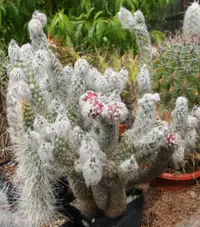
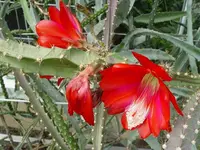
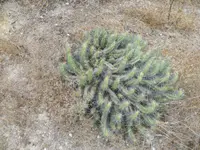
Echinocereus pentalophus is a small, clumping cactus known for its long, finger-like stems and showy purple-pink funnel-shaped flowers. It forms low, spreading mats that can eventually spill over the edge of a pot or rock wall.

This species is native to arid and semi-arid regions of northeastern Mexico and southern Texas, where it grows in rocky, well-drained soils. Its drought tolerance and slow, compact growth make it suitable for containers and small spaces.

Once its basic needs are understood, it is not difficult to care for Echinocereus pentalophus. It prefers strong light, minimal moisture, and a gritty, fast-draining substrate that keeps roots from staying wet for long periods.

Main Plant Requirements

Care Difficulty

Easy Care

Light Preference

Full Sun

Water Requirements

Low Water

Temperature Preference

Warm Climate

Hardiness Zone

8–10

Soil Texture

Sandy, Loamy, Rocky

Soil pH

Slightly acidic (6.5–7.0), Neutral (7.0)

Soil Drainage

Well-drained

Fertilization

Minimal (feed rarely)

Get Personalized Care Plan

Scan your plant to receive care tips personalized for your specific plant

Available on iOS and Android

How to Care for the ladyfinger cactus

This cactus prefers strong light that mimics a bright, open habitat.

  • Provide 6–8 hours of direct sun daily, ideally with morning sun and light afternoon shade to prevent scorching of stems.
  • In very hot climates, use filtered light or dappled shade from about 1–4 p.m. to limit sunburn risk and excessive tissue stress for Echinocereus pentalophus.
  • If stems grow thin or lean toward windows or open areas, increase sun exposure gradually over 1–2 weeks to avoid shock.

Watering should mimic brief desert rains followed by dry periods.

  • Allow the top 3–5 cm of soil to dry completely before watering, then soak thoroughly so excess drains away without pooling around the roots.
  • In spring and summer, expect watering roughly every 10–21 days depending on heat, wind, and soil type; reduce strongly in autumn and keep almost dry in winter.
  • Watch for shriveling ribs as a sign of underwatering and for soft, yellowing or blackened bases as a warning of overwatering and root rot.

Temperature swings are tolerated as long as extremes are avoided.

  • Aim for active growth temperatures around 70–85°F (21–29°C), with slightly cooler nights supporting firm, compact stems.
  • Protect from frost; short dips to 25–30°F (-4–-1°C) may be survived when bone dry, but safer minimums are above 40°F (4°C).
  • In hot spells above 95°F (35°C), increase airflow and provide light afternoon shade to limit overheating and tissue damage, especially in containers or rock gardens.

This cactus tolerates very dry air, so humidity control is usually unnecessary.

This cactus needs a very fast-draining, mineral-based mix to avoid root rot.

  • Use a gritty, sandy substrate such as commercial cactus mix blended 1:1 with coarse pumice, perlite, or horticultural grit.
  • Aim for slightly acidic to neutral pH around 6.0–7.0, avoiding very alkaline or clay-heavy soils that stay wet.
  • Add only a small amount of sifted compost or leaf mold to provide nutrients without reducing drainage or aeration.
  • Avoid peat-heavy, dense, or water-retentive mixes, which encourage root rot and discourage healthy fine root development.

This species is well suited to container culture due to its shallow, spreading roots and compact clumps.

  • Choose a wide, shallow pot to support the plant’s creeping stems and prevent tipping as the clump expands.
  • Select unglazed terracotta if extra evaporation is needed in cooler, less sunny positions to reduce moisture retention.
  • Elevate the pot on feet or mesh risers so drainage holes stay clear and excess water can escape rapidly after rain or watering.

This desert cactus needs only light feeding to stay healthy in containers.

  • Use a low-nitrogen balanced cactus fertilizer (around 5-10-10) or diluted general balanced NPK at 1/4–1/2 strength.
  • Feed Echinocereus pentalophus once every 4–6 weeks during spring–summer active growth only.
  • Skip compost-heavy mixes; choose mineral-rich, fast-draining soil instead of organic fertilizers.
  • Stop feeding in fall and winter to allow a cool, dry dormancy and prevent weak, elongated growth.

Pruning needs are minimal and focus on keeping the cactus clean and healthy.

  • Best timing is late spring or summer, when growth is active and wounds seal faster on Echinocereus pentalophus.
  • Remove only dead, dried, diseased, or badly damaged stems with sharp, disinfected pruning shears or a knife.
  • Cut crowded or crossing stems at the base to improve air flow and maintain a compact, clumping shape.
  • Allow cut surfaces to dry and callus fully; avoid cutting healthy tissue without a clear reason.

This species prefers a snug pot and infrequent repotting in very free-draining soil.

  • Plan to repot every 3–4 years, or when roots circle the pot, drain holes clog, or growth slows noticeably.
  • Repot in late spring, using a shallow, wide container and gritty cactus mix to support spreading stems of Echinocereus pentalophus.
  • Slide the plant out gently, loosen circling roots lightly, and remove old compacted mix from the root ball.
  • Replant at the same depth, keep soil barely moist for 1–2 weeks, and avoid full sun until recovery is clear.

This cactus is commonly propagated from stem cuttings or division of offsets.

  • Take offsets or stem segments in late spring–early summer, using a clean, sharp knife to separate them from the clump.
  • Let cut pieces of Echinocereus pentalophus dry and callus for 5–10 days in a shaded, airy place before planting.
  • Root in a dry, gritty cactus mix; water very lightly only after callus forms and new roots begin to develop.
  • Seeds are also possible; sow on barely moist mix with bright, indirect light and warm temperatures around 70–80°F.

This cactus prefers a cool, very dry winter rest and is only moderately frost tolerant.

  • For outdoor plants, keep soil sharply drained and avoid winter watering to limit root rot risk for Echinocereus pentalophus.
  • In regions below about 25°F, grow in containers and move indoors to a bright, cool room before hard freezes.
  • Use breathable frost cloth or a cold frame in marginal climates to shield stems from prolonged freezing and excess moisture.

Care Tips

Shallow dish planting

Use a wide, shallow pot or dish to let the stems sprawl horizontally, which reduces stem breakage and allows better light exposure to all segments.

Rock mulch layer

Top-dress the soil with a 1–2 cm layer of coarse gravel or small stones to keep the stem bases dry, reduce algae and fungus growth, and stabilize the shallow root system.

Winter light shift

Move the plant to the brightest, coolest indoor window in winter to maintain compact growth and support strong bud formation for the next flowering cycle.

Targeted scale checks

Inspect the ribbed stems and areoles closely for scale insects every few weeks, and remove early infestations with a cotton swab dipped in isopropyl alcohol before they spread along the clumps.

Segment support props

Where long stems risk snapping at the base, discreetly prop them with clean stones or low supports rather than tying them, which keeps airflow around the plant and makes caring for Echinocereus pentalophus easier.

Common Pests and Diseases

Mealybugs

This pest hides along ribs and in areoles, sucking sap and leaving cottony white clusters that can deform new growth and weaken stems.

Solution

Isolate the plant, then dab visible insects and cottony masses with cotton swabs dipped in 70% isopropyl alcohol and repeat weekly until gone; for heavier infestations, use a ready-to-use insecticidal soap or neem oil spray, applied in the cool part of the day and kept off the flowers whenever possible.

Spider mites

These insects thrive in hot, very dry conditions, causing dull, roughened skin, tiny pale speckles, and fine webbing in crevices between ribs.

Solution

Rinse the plant thoroughly with a firm but gentle stream of water to remove mites and webbing, increase air movement, and, if needed, apply insecticidal soap or horticultural oil to all stem surfaces, repeating every 7–10 days until symptoms stop appearing.

Scale insects

This pest appears as small, hard, brown or gray bumps on ribs and bases of stems, causing yellowing and gradual weakening as they feed on plant sap.

Solution

Scrape or gently pry off individual scales with a fingernail or soft brush, wipe affected areas with 70% isopropyl alcohol, and follow with 1–2 targeted treatments of neem oil or horticultural oil to reach any remaining juveniles.

Corky scab lesions

This disease causes dry, tan to brown, scab-like patches on the outer skin, often after mechanical injury or fluctuating moisture and temperature, and is mainly cosmetic if kept dry and clean.

Solution

Remove any loose dead tissue with a sterile tool if it traps moisture, keep the plant in a bright, well-ventilated position, water only when the soil is fully dry, and avoid splashing water on stems to limit secondary fungal invasion during ongoing Echinocereus pentalophus care instructions.

Fungal stem rot

This disease starts as small, water-soaked or slightly sunken spots that rapidly turn brown or black and soft, often following overwatering, cold, or wounds at the stem base or in creases between ribs.

Solution

At the first sign of soft tissue, cut away all affected areas with a sterile knife back into firm, healthy tissue, dust cuts with sulfur or cinnamon, let them dry several days before replanting in fresh, fast-draining cactus mix, and adjust watering to keep the soil dry between waterings, especially in cool seasons.

Interesting Facts

Creeping cactus growth

This species grows as a low, creeping cactus that forms mats of slender stems rather than a single upright column, allowing it to spread horizontally over rocky or sandy soils in its native range of northeastern Mexico and southern Texas.

Five-ribbed stem shape

Its scientific name refers to the typical five ribs on each stem segment, which increase the surface area for photosynthesis while helping the plant store water efficiently in arid environments.

Large spring flowers

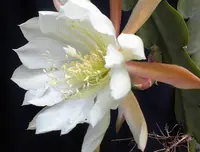
In spring, it produces relatively large, funnel-shaped magenta to pink flowers that can be wider than the stems themselves, opening during the day to attract pollinators such as native bees.

Botan icon

Did you know?

In parts of its native habitat, this cactus often grows partially buried or tucked between rocks, so only the top of the stems and flowers are visible, which helps protect the plant body from intense sun and rapid temperature swings.

FAQs about ladyfinger cactus

Lack of flowers is usually due to insufficient light, a pot that is too large, or no cool, dry winter rest. Provide strong sun, avoid heavy fertilizing, and allow a cooler, drier period to set buds.

Grow Healthy Plants with Botan Care

Keep your plants happy and healthy with plant identification, disease detection, and easy care guidance.

Botan plant care app — identify plants on mobile

Explore More Plants