Coral Stonecrop Care (Crassula corallina)

Coral Stonecrop

About Coral Stonecrop

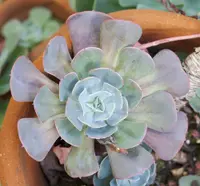
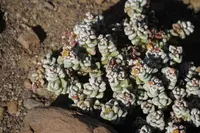
Coral stonecrop (Crassula corallina) is a compact succulent known for its tightly stacked, bead-like leaves that resemble tiny coral branches. It stays low and spreading, forming dense mats over time.

This species is native to South Africa, where it grows in rocky, well-drained habitats with bright light and low rainfall. Its fleshy leaves store water, which makes it drought-tolerant and generally easy to manage indoors.

Because it grows slowly and stays small, it suits windowsills, mixed succulent planters, and small containers. Understanding how to care for Coral Stonecrop mainly involves providing strong light, infrequent watering, and gritty, fast-draining soil.

Main Plant Requirements

Care Difficulty

Easy Care

Light Preference

Full Sun

Water Requirements

Low Water

Temperature Preference

Tropical / Frost Sensitive

Hardiness Zone

10–11

Soil Texture

Sandy, Loamy, Rocky

Soil pH

Slightly acidic (6.5–7.0), Neutral (7.0)

Soil Drainage

Well-drained

Fertilization

Minimal (feed rarely)

Get Personalized Care Plan

Scan your plant to receive care tips personalized for your specific plant

Available on iOS and Android

How to Care for the Coral Stonecrop

This compact succulent prefers bright light with some protection from intense midday sun.

  • Provide 4–6 hours of direct morning sun or late-afternoon sun, plus bright indirect light for the rest of the day.
  • Tolerates light, open shade, but stems of Coral Stonecrop may stretch and lose color if grown in less than 3–4 hours of direct sun.
  • In hot summers, shield from strong midday sun with light shade cloth or dappled shade to prevent leaf scorch, especially during heatwaves.

This species stores water in its leaves and needs infrequent, careful watering.

  • Water only when the top 3–5 cm of soil are completely dry; in hot active growth periods this may mean every 7–14 days, less often in cool weather.
  • Ensure sharply draining, gritty soil so water flows through in seconds; empty any standing water to reduce root rot risk for Crassula corallina.
  • Overwatering shows as soft, yellowing, or translucent leaves, while deep wrinkles and slight leaf shriveling indicate it is time to water.

This succulent prefers warm, dry conditions and is sensitive to hard frost.

  • Aim for 65–80°F (18–27°C) for steady growth, with slightly cooler nights improving color and compact form.
  • Protect from frost; brief light dips to 30–32°F (-1–0°C) may be survived if dry, but tissue damage is likely below this range.
  • In hot climates, it tolerates 90–100°F (32–38°C) if shaded during peak sun and given good airflow, especially in mid to late summer.

This succulent handles typical indoor humidity well and rarely needs special adjustment.

  • Aim for 30–50% humidity; it tolerates much drier air than many houseplants without damage.
  • Low humidity rarely harms Coral Stonecrop, but combined with heat it can cause shriveling leaves and slowed growth.
  • If air is extremely dry and hot, group plants together or place a shallow water tray nearby to slightly raise local humidity.

Soil for this succulent must drain very quickly to protect its shallow roots from rot.

  • Use a gritty, sandy mix such as 50–70% commercial cactus mix blended with coarse perlite or pumice for extra drainage.
  • Aim for slightly acidic to neutral pH, roughly 6.0–7.0, which suits Crassula corallina and supports nutrient uptake.
  • Ensure the texture stays loose and crumbly; avoid dense peat-heavy media that compact and hold water around the roots.
  • Improve aeration by adding mineral components like pumice, small horticultural grit, or coarse sand rather than more organic matter.

This species is well suited to container growing due to its compact, shallow-rooted habit.

  • Choose a wide, shallow pot that matches the plant’s spreading mat-like growth rather than a deep, narrow container.
  • Select unglazed terracotta if the mix stays wet for long, as the porous walls help moisture evaporate faster.
  • Place the container on pot feet or a stand so drainage holes clear the surface and excess water escapes freely after watering.

This compact succulent has modest nutrient needs but responds to light feeding in active growth.

  • Use a balanced liquid fertilizer (around 10-10-10 or 20-20-20) diluted to 25–50% strength for Coral Stonecrop.
  • Feed once every 4–6 weeks in spring and summer when growth is active.
  • Skip compost-heavy mixes; choose a low-organic, cactus or succulent formula to avoid root rot.
  • Stop feeding in fall and winter, or reduce to 1 very light application if plants are under strong light.

Crassula corallina benefits from light structural pruning to keep the mat dense and healthy.

  • Best time is late winter to early spring, just before new growth begins.
  • Use clean, sharp scissors or small pruning shears to remove dead, shriveled, or damaged stems.
  • Thin crowded, elongated shoots back to firm growth to maintain a compact, coral-like form.
  • Pinch back flowered stems after blooming to encourage branching and fresh foliage.

This slow-growing succulent prefers slightly tight quarters and only infrequent repotting.

  • Repot every 2–3 years, or when roots circle the drainage holes and soil dries very quickly.
  • Choose late winter to early spring so Crassula corallina can recover as growth resumes.
  • Move to a pot only 2–3 cm wider, using a fast-draining cactus or succulent mix.
  • Gently loosen circling roots, keep the original root ball mostly intact, and water lightly after repotting to limit stress.

This species is commonly multiplied from cuttings and division rather than seed.

  • Take short stem or leaf cuttings in late spring or summer when growth is active.
  • Allow cut surfaces to dry and callus 1–3 days before placing on slightly moist, gritty mix.
  • Provide bright, indirect light, warmth (70–80°F), and low to moderate humidity for rooting.
  • Divide dense clumps of Crassula corallina during repotting, keeping firm root sections with multiple shoots.

This succulent is not reliably frost hardy and benefits from protective winter care in most climates.

  • For containers, move plants indoors or into a bright, frost-free space before temperatures drop near 32°F.
  • Keep soil almost dry in winter, watering just enough to prevent shriveling.
  • If grown outdoors in mild zones, use a very gritty soil and a gravel mulch to keep the crown dry.
  • Avoid cold drafts and prolonged exposure below 40°F to reduce tissue damage risk.

Care Tips

Propagate From Offsets

Lift and gently twist off firm side rosettes in late spring, let the cut surfaces dry 1–2 days, then replant in a shallow tray of dry, gritty mix to root new plants and keep the mother clump compact.

Refresh Top Dressing

Apply a thin layer of coarse grit or small decorative gravel around the stems to keep leaves off wet soil, reduce rot risk, and highlight the coral-like structure when caring for Coral Stonecrop.

Control Mat Spread

Every 1–2 years, trim or lift and replant crowded outer rosettes, discarding any soft or elongated pieces, to maintain a dense, low mat and prevent the plant from shading its own centers.

Rotate For Even Stacking

Rotate the pot or tray 90° every 2–3 weeks so the stacked leaves develop evenly on all sides rather than leaning, which helps keep the characteristic coral form symmetrical.

Seasonal Rest Adjustment

In areas with hot summers, give slight shade and very minimal watering during the hottest weeks, then resume normal light and watering as nights cool to support a strong flush of new growth.

Common Pests and Diseases

Mealybugs

This pest feeds on plant sap, often hiding in leaf joints and between stacked leaves, causing stunted, distorted growth. Symptoms include white cottony clusters along stems and between the layered foliage segments.

Solution

Isolate the plant, then dab visible insects with cotton swabs dipped in 70% isopropyl alcohol and gently wipe crevices between leaf segments. Repeat every 5–7 days until no new insects appear, and reduce excess humidity and crowding to discourage reinfestation while following general Coral Stonecrop care instructions for light and watering.

Aphids

These insects cluster on soft new growth and flower stalks, sucking sap and excreting sticky honeydew that can attract sooty mold. Symptoms include curled, misshapen new leaves and a shiny, tacky surface on stems.

Solution

Rinse the plant under a gentle stream of lukewarm water to dislodge colonies, then treat remaining insects with an application of insecticidal soap, ensuring good coverage of new growth and undersides. Repeat treatments every 5–7 days until populations drop, and avoid overfertilizing, which promotes soft, aphid-prone growth.

Spider mites

This pest thrives in hot, very dry conditions and feeds on the fleshy leaf surfaces, causing a fine speckling and dull, grayish patches. Symptoms include very fine webbing between the stacked leaves and along stems.

Solution

Increase ambient humidity slightly around the plant without overwatering, then wash foliage under a gentle spray to remove mites and webbing. Follow with targeted use of insecticidal soap or a neem oil solution on both leaf surfaces, repeating weekly until no new webbing appears.

Edema

This disorder occurs when roots take up water faster than the leaves can transpire, which is common in succulents kept too wet or in cool, low-light conditions. Symptoms include corky, tan or brown raised spots and rough patches on the fleshy leaves.

Solution

Allow the soil to dry more thoroughly between waterings, use a very well-draining gritty mix, and provide brighter light and warmer conditions. Affected spots do not heal, but new growth will be normal once watering and light are corrected.

Fungal leaf spots

This disease develops in prolonged damp, crowded, or poorly ventilated conditions, especially when water sits on leaves. Symptoms include small, round, brown lesions on leaves that can merge, causing sections of tissue to die back.

Solution

Remove and discard affected leaves, then improve airflow and adjust watering to keep leaves dry and the soil slightly on the dry side. If spotting continues, apply a sulfur-based or copper-based fungicide labeled for succulents, following directions carefully and avoiding repeated overhead watering.

Interesting Facts

Stacked stone habit

This species forms tight, flattened stacks of opposite leaves that resemble piles of rounded stones, an adaptation that helps minimize surface area exposed to strong sun in its native South African habitats.

Color shift in stress

The grey‑green leaves can develop pink to reddish tinges along the margins when exposed to higher light or mild drought stress, a response linked to increased protective pigments called anthocyanins.

Shallow, fibrous roots

It has a fine, shallow root system that exploits brief moisture near the soil surface after light rains, rather than developing deep taproots typical of many other drought‑tolerant plants.

FAQs about Coral Stonecrop

Poor flowering usually results from insufficient light, nutrient-rich soil, or excessive watering. This species blooms best with strong light, lean, gritty substrate, and a cool, dry rest period. Avoid frequent repotting, which can delay bud formation.

Grow Healthy Plants with Botan Care

Keep your plants happy and healthy with plant identification, disease detection, and easy care guidance.


Botan plant care app — identify plants on mobile

Explore More Plants