Dwarf Tree Stonecrop Care (Sedum oxypetalum)

Dwarf Tree Stonecrop

About Dwarf Tree Stonecrop

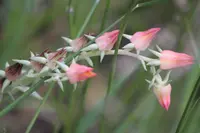
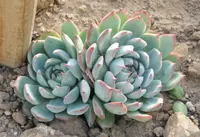
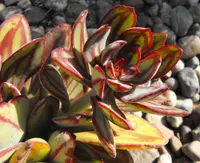
Dwarf tree stonecrop (Sedum oxypetalum) is a shrubby succulent known for its woody stems, fleshy leaves, and compact, branching form. It often develops a small, bonsai-like silhouette with age. Native to Mexico, it grows in rocky, well-drained habitats where light is strong and rainfall is modest. This background makes it well suited to container culture and dry indoor environments. The plant is generally considered easy to grow if excess moisture is avoided and light is sufficient. Those learning how to care for Dwarf Tree Stonecrop only need to focus on bright exposure, infrequent watering, and gritty soil that drains quickly.

Main Plant Requirements

Care Difficulty

Easy Care

Light Preference

Full Sun

Water Requirements

Low Water

Temperature Preference

Warm Climate

Hardiness Zone

9–11

Soil Texture

Sandy, Loamy, Rocky

Soil pH

Slightly acidic (6.5–7.0), Slightly alkaline (7.0–7.5)

Soil Drainage

Well-drained

Fertilization

Minimal (feed rarely)

Get Personalized Care Plan

Scan your plant to receive care tips personalized for your specific plant

Available on iOS and Android

How to Care for the Dwarf Tree Stonecrop

This succulent prefers bright, direct sun but benefits from some protection in very hot climates.

  • Provide 4–6 hours of direct morning sun plus bright light the rest of the day; light afternoon shade helps in zones with intense summer sun.
  • It tolerates light or partial shade, but stems may stretch and foliage may pale if it receives less than 3–4 hours of direct sun.
  • In summer, watch for leaf scorch or reddening from harsh afternoon sun, while in winter Dwarf Tree Stonecrop benefits from the brightest outdoor spot available.

This drought-tolerant succulent needs infrequent, careful watering to avoid root rot.

  • Water only when the top 3–5 cm of soil are completely dry; in hot growing seasons this may mean watering every 7–14 days, less often in cool weather.
  • Sedum oxypetalum requires sharply draining, gritty soil so that water runs through quickly and does not pool around the roots.
  • Overwatering shows as soft, yellowing, or translucent leaves, while severe wrinkling and dull, shriveled foliage indicate that the plant has been kept dry for too long.

This species prefers warm, dry conditions and does not tolerate hard frost well.

  • Aim for 65–85°F (18–29°C) during active growth for best performance, with plenty of air movement to keep foliage dry.
  • It can survive brief dips to around 25–28°F (-4 to -2°C) if very dry, but repeated freezing or wet cold quickly damages leaves and stems.
  • In hotter periods above 95°F (35°C), provide afternoon shade and avoid overhead watering late in the day to limit heat stress and fungal issues.

This succulent tolerates typical indoor humidity and rarely needs special moisture adjustments.

  • Target 30–50% relative humidity, which suits its semi-arid origin and prevents excess surface moisture on leaves.
  • Dry household air is usually acceptable, but combine with bright light and infrequent watering to avoid soft, swollen foliage.
  • If air is very humid and stagnant, increase air movement with a small fan to reduce the risk of rot on dense leaf clusters.

Sedum oxypetalum prefers a gritty, fast-draining substrate that mimics rocky slopes.

  • Use a cactus/succulent mix or blend 50% coarse sand or pumice with 50% regular potting mix for a lean, airy structure.
  • Aim for slightly acidic to neutral pH, around 6.0–7.0, which supports nutrient availability without encouraging excess leaf softness.
  • Add extra perlite or pumice if water lingers longer than 1 day, improving aeration around the fine roots and reducing rot risk.
  • Avoid heavy clay, peat-heavy, or compacted mixes that stay wet, form crusts, or collapse around the root zone.

This species is very suitable for container growing due to its compact, shrubby succulent habit.

  • Choose a shallow, wide pot to accommodate its spreading root system and keep the plant visually balanced as stems arch outward.
  • Select unglazed terracotta if extra evaporation is needed, especially in cool or low-light settings where mix drying slows.
  • Ensure large, unobstructed drainage holes so water exits within seconds, preventing pooled moisture that can rot lower stems of Dwarf Tree Stonecrop.

Sedum oxypetalum is a low-demand succulent that benefits from light feeding during active growth only.

  • Use a balanced, diluted liquid fertilizer (such as 10-10-10 at 1/4 strength) or very thin compost tea in spring and summer.
  • Apply every 4–6 weeks during the main growing season if growth appears weak or leaves pale.
  • Skip feeding in fall and winter when growth slows and the plant rests.
  • For Dwarf Tree Stonecrop in containers, ensure the potting mix is free-draining to avoid nutrient buildup and root burn.

Sedum oxypetalum responds well to light pruning that maintains a compact, tidy shape.

  • Best time is late winter to early spring, just before strong new growth begins.
  • Use clean, sharp scissors or snips to remove dead, damaged, or leggy stems back to healthy tissue.
  • Thin crowded shoots to improve light penetration and airflow, which supports firmer growth and better flowering.
  • Tip-trim long stems to encourage branching and a denser, mound-forming habit.

This succulent is slow-growing and only needs repotting or transplanting when clearly root-bound or overcrowded.

  • Look for roots circling the pot, pushing through drainage holes, or noticeably slowed growth as signs to move it.
  • Best timing is in spring, allowing Sedum oxypetalum to re-establish while light and temperatures are rising.
  • Repot every 2–3 years into a shallow container just 2–3 cm wider, using a gritty, fast-draining cactus or succulent mix.
  • Handle roots gently, keep them slightly dry for a few days after repotting, then resume light watering to limit transplant shock.

This species lends itself well to home propagation, mainly from stem or leaf cuttings and division.

  • Take 5–10 cm stem cuttings or healthy leaves in late spring or early summer when growth is active.
  • Allow cut ends to callus for 1–3 days, then place on or in barely moist, gritty succulent mix.
  • Keep in bright, indirect light at 65–80°F; avoid heavy watering until roots form and new growth appears.
  • Divide mature clumps by gently separating rooted sections and replanting each in well-drained soil.

Mature plants are fairly cold tolerant but still benefit from simple winter precautions, especially in containers.

  • In mild climates, leave in the ground; the fleshy foliage may die back while the root system survives light frosts.
  • Apply a thin, dry gravel or coarse sand mulch around the crown to keep stems drier in winter.
  • Move container plants under cover or indoors to a bright, cool spot before sustained hard freezes.

Care Tips

Encourage Bushy Form

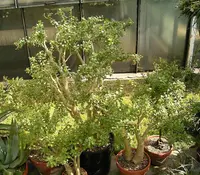
Pinch back soft stem tips in spring and early summer to promote branching and a compact, tree-like silhouette instead of tall, sparse shoots when growing Dwarf Tree Stonecrop.

Use Terracotta Pots

Plant in unglazed terracotta containers to increase evaporation from the pot walls and greatly reduce the risk of root rot in cool or humid climates.

Seasonal Light Shifting

Move the plant to a brighter, more exposed position in autumn and winter to compensate for weaker sun, then provide slight shade in the hottest summer weeks to prevent leaf scorch on the upper surfaces.

Controlled Stem Support

For older, top-heavy specimens, use low, discreet stakes or small rock supports under main branches to keep stems from snapping while still allowing a natural, cascading form.

Quick Propagation Rotation

Regularly take 5–8 cm tip cuttings from healthy, non-flowering stems, let them callus for 1–2 days, then root them in the same gritty mix to maintain a stock of replacement plants and rejuvenate older, woody specimens.

Common Pests and Diseases

Mealybugs

This pest feeds on succulent stems and leaf joints, sucking sap and leaving cottony white masses on Dwarf Tree Stonecrop. Symptoms include stunted growth, yellowing, and sticky honeydew that can lead to sooty mold.

Solution

Isolate the plant, then dab visible mealybugs with cotton swabs dipped in 70% isopropyl alcohol and repeat weekly until controlled. Improve light and air movement, and for heavier infestations use a ready-to-use insecticidal soap or neem oil spray, making sure to coat stems and leaf nodes thoroughly.

Aphids

These insects cluster on soft new growth and flower stalks, sucking sap and causing distortion, curled leaves, and sticky honeydew. Ant activity around the plant often increases when aphids are present.

Solution

Rinse colonies off with a firm stream of water, repeating every few days as needed. If populations persist, apply insecticidal soap or a light neem oil spray in the early morning or evening, coating undersides of leaves and young shoots.

Soft scale

This pest appears as small, dome-shaped brown or tan bumps on stems and older leaves, where it feeds on sap. Symptoms include reduced vigor, yellowing leaves, and honeydew that can attract ants or support sooty mold growth.

Solution

Gently scrape or rub off individual scales with a soft cloth or fingernail, then wipe stems with diluted 70% isopropyl alcohol. For ongoing issues, apply horticultural oil or neem oil, thoroughly covering stems and the base of leaves, and repeat according to label directions.

Powdery mildew

This disease causes white, powdery patches on leaves and stems, especially in warm days with cool, humid nights. Symptoms include dulled leaf color, slight distortion, and reduced vigor, though leaves usually do not rot immediately.

Solution

Increase sun exposure and airflow around the plant and avoid overhead watering, especially late in the day. Remove heavily affected stems and, if needed, use a sulfur-based or potassium bicarbonate fungicide labeled for ornamentals, applied as a thin, even film on affected and nearby healthy tissue.

Edema

Symptoms include small corky, blister-like spots on leaves where cells rupture from taking up more water than they can transpire. This physiological problem often appears when soil stays wet while air is cool and humid.

Solution

Allow the substrate to dry more thoroughly between waterings and use a very well-draining, gritty mix when growing Dwarf Tree Stonecrop in containers. Provide strong light, good airflow, and avoid watering late in the evening so foliage dries quickly and internal water balance stays more stable.

Interesting Facts

Woody bonsai-like stems

Mature plants develop a thick, woody base and gnarled branching habit that resemble a miniature tree, which is why it is commonly called dwarf tree stonecrop. This shrubby structure is unusual among many Sedum species that stay as soft, low groundcovers.

Night-opening star flowers

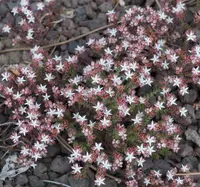
This species produces clusters of small white star-shaped flowers that often open toward evening and emit a noticeable fragrance. The nocturnal flowering pattern helps attract night-active pollinators such as moths in its native range.

Rocky slope specialist

In its native habitats in Mexico, this plant often grows on rocky slopes and cliffs with very shallow, fast-draining soils. Its succulent leaves store water, allowing it to survive long dry spells typical of these exposed sites.

FAQs about Dwarf Tree Stonecrop

Lack of flowering usually comes from insufficient light, overfeeding with high-nitrogen fertilizer, or pruning at the wrong time. Sedum oxypetalum care for strong blooms includes bright conditions, lean soil, and avoiding heavy trimming just before the flowering season.

Grow Healthy Plants with Botan Care

Keep your plants happy and healthy with plant identification, disease detection, and easy care guidance.

Botan plant care app — identify plants on mobile

Explore More Plants