Ferocactus pottsii Care

Ferocactus pottsii

About Ferocactus pottsii

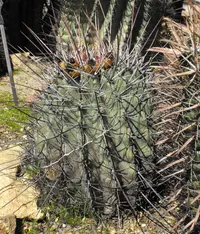
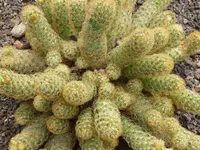
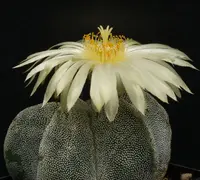
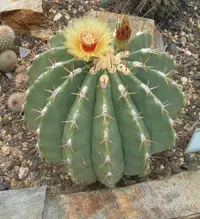
Ferocactus pottsii is a slow-growing barrel cactus native to arid regions of northern Mexico. It forms a rounded to slightly elongated globe with prominent ribs and heavy, hooked spines. Mature plants may develop a more columnar shape and produce bright yellow to orange flowers near the crown in warm seasons. This species is adapted to intense sun, rocky soils, and long dry periods, which makes it well suited to container culture and xeric gardens. It is generally easy to care for Ferocactus pottsii if given strong light, very well-drained mineral soil, and careful, infrequent watering.

Main Plant Requirements

Care Difficulty

Easy Care

Light Preference

Full Sun

Water Requirements

Low Water

Temperature Preference

Warm Climate

Hardiness Zone

9–11

Soil Texture

Sandy, Loamy, Rocky

Soil pH

Slightly acidic (6.5–7.0), Neutral (7.0)

Soil Drainage

Well-drained

Fertilization

Minimal (feed rarely)

Get Personalized Care Plan

Scan your plant to receive care tips personalized for your specific plant

Available on iOS and Android

How to Care for the Ferocactus pottsii

This desert cactus thrives in strong light and needs direct sun to stay compact and healthy.

  • Provide 6–8 hours of direct sun daily, ideally with bright morning sun and some protection from the harshest late afternoon summer sun.
  • In very hot climates, use light shade cloth or filtered light from about 1–3 p.m. to reduce scorch on the ribs and areoles.
  • If stems elongate, turn pale, or lean toward a window, Ferocactus pottsii is not getting enough light and needs a sunnier site.

This species stores water in its thick stem and is highly sensitive to excess moisture around the roots.

  • Allow the soil to dry completely, at least the top 5–8 cm, before watering, then soak thoroughly so water drains quickly from the root zone.
  • During active growth in spring and summer, watch the skin: slight wrinkles and lighter ribs suggest it is time to water again if the soil is dry.
  • In cool or wet autumn–winter conditions, water rarely or not at all; soft, yellowing tissue or a sour smell signals overwatering and possible rot.

This cactus prefers warm, dry conditions and needs protection from hard frost and prolonged cold.

  • Ideal growing temperatures are 70–90°F (21–32°C), with good air movement and low humidity to mimic arid native habitats.
  • Protect from frost; short dips to 28–32°F (-2–0°C) may be survived if the soil is bone-dry, but damage risk increases the longer cold persists.
  • In summer heat up to 100–105°F (38–41°C), provide extra airflow and some afternoon shade to limit heat stress and sunburn on exposed tissue.

This cactus handles low household humidity easily and rarely needs adjustment.

  • Aim for 30–50% humidity, similar to typical indoor air, without any extra humidification.
  • Dry air is well tolerated, but avoid prolonged exposure to cold drafts that combine low temperature and low humidity.
  • Mild shriveling with firm tissue usually indicates thirst, not humidity stress; correct by adjusting light and watering rather than adding moisture.

Use a very fast-draining, mineral-heavy mix to keep roots dry between waterings.

  • Choose a gritty, sandy substrate made from 50–70% inorganic materials such as pumice, coarse perlite, and 3–5 mm gravel, with the rest lean cactus potting mix.
  • Target a slightly acidic to neutral pH around 6.0–7.0, avoiding strongly alkaline or compacted garden soil that can lock up nutrients and reduce root function.
  • Increase aeration by adding extra pumice or coarse perlite until water runs through quickly and the mix dries within a few days in warm conditions.
  • Avoid peat-heavy, clayey, or moisture-retentive mixes, as these trap water around Ferocactus pottsii roots and greatly raise the risk of rot.

This species is well suited to container growing when the pot is chosen to manage weight, drainage, and stability.

  • Select a wide, heavy terracotta or clay pot so the tall, spiny stem remains stable and the porous walls help moisture evaporate quickly.
  • Use a pot only 2–4 cm wider than the root ball to limit wet, unused mix that would stay damp for too long after watering.
  • Place the container on a sturdy, level surface or heavy saucer to prevent tipping and to support the plant’s increasing weight over time.

This cactus benefits from light feeding but is sensitive to excess nutrients and salts.

  • During spring–summer, apply a diluted (25–50% strength) low-nitrogen balanced NPK cactus fertilizer every 6–8 weeks.
  • Use liquid fertilizer in well-watered soil; never apply to bone-dry mix to avoid root burn.
  • Avoid compost-rich mixes; Ferocactus pottsii prefers a lean, mineral substrate with minimal organic matter.
  • Stop feeding in fall–winter to allow proper dormancy and reduce the risk of soft, frost-prone growth.

Pruning needs are minimal and mainly focused on safety and sanitation rather than shaping the plant.

  • Carry out any work in late spring or early summer when growth is active and wounds seal faster.
  • Remove only dead, diseased, or badly damaged tissue using long-handled tongs and clean, sharp knives.
  • Do not cut healthy ribs or areoles, as this permanently scars the cactus and reduces flowering potential.
  • Disinfect tools before and after cuts, and allow surfaces to dry in bright, indirect light to limit rot.

This slow-growing barrel cactus prefers to stay undisturbed and only needs infrequent repotting or transplanting.

  • Consider repotting every 4–6 years, or when roots circle the pot, emerge from drainage holes, or growth stalls.
  • Plan repotting in late spring, using a slightly larger, heavy pot and a fast-draining mineral cactus mix.
  • Handle the plant with thick gloves and padding; keep the root ball as intact as possible to minimize stress.
  • After moving Ferocactus pottsii, leave roots dry for 5–7 days before a light watering to allow any injuries to callus.

Propagation is usually done from seed and is slow, making it a long-term project for patient growers.

  • Sow fresh seeds in late spring in a sterile, very well-drained cactus mix, barely covering them.
  • Maintain 70–80°F, bright indirect light, and consistently lightly moist (not wet) substrate for germination.
  • Cover trays with a clear lid or bag to maintain humidity, ventilating daily to limit fungal growth.
  • Transplant seedlings only when they are firm and well rooted, taking care not to damage delicate taproots.

Cold management is important, since this cactus dislikes prolonged freezing and wet winter conditions.

  • Keep plants at 40–50°F in winter, with as much light as possible and almost completely dry soil.
  • In regions with frost, grow Ferocactus pottsii in containers that can be moved indoors or to a cold greenhouse.
  • Outdoors in mild climates, ensure perfect drainage and use a gravel mulch around the base to keep the crown dry.
  • Do not water during extended cold spells, as cold, wet roots increase the risk of rot and tissue damage.

Care Tips

Rotate For Symmetry

Rotate the pot 90° every 4–6 weeks so all sides receive similar light, which keeps the ribs evenly spaced and prevents the cactus from leaning toward the sun.

Use Topdressing Gravel

Add a 0.5–1 in layer of clean mineral grit or small gravel on the soil surface to keep the base dry, reduce algae and fungus gnat issues, and stabilize the heavy plant in its pot.

Secure Against Tipping

In windy patios or balconies, place the container inside a heavier outer pot or bricks ring and slightly mound the mix around the base to prevent the tall, heavy stem from toppling during storms.

Dry Winter Storage

During winter dormancy, keep the plant in a bright, cool, and very dry spot and gently tilt or elevate the pot after any accidental watering so excess moisture drains fully away from the root zone.

Inspect Areoles Regularly

Use long tweezers or tongs to gently part the spines every month and check the areoles (the small cushion-like pads) for scale insects or mealybugs so any infestation is caught early when caring for Ferocactus pottsii.

Common Pests and Diseases

Mealybugs

This pest often hides in woolly clusters between ribs, at the base of spines, and around the root collar, feeding on plant sap and causing yellowing and stunted growth. Symptoms include sticky honeydew and sooty mold on the epidermis in heavier infestations.

Solution

Isolate the plant, then dab visible insects with cotton swabs dipped in 70% isopropyl alcohol and repeat weekly until no new insects appear. For heavier cases, use a systemic insecticide labeled for cacti, and check the root zone for root mealybugs when repotting, removing all old soil and rinsing roots before replanting in fresh, well-drained mix.

Spider mites

These insects thrive on Ferocactus skin in hot, very dry, stagnant air and create tiny pale stippling, dull patches, and fine webbing between ribs and spines. This pest can gradually cause bronzing and a rough, corky surface on affected areas.

Solution

Shower the plant thoroughly with a firm stream of lukewarm water, focusing on the areoles and rib crevices, then allow it to dry in bright, airy conditions. If activity persists, apply a miticide or insecticidal soap labeled for spider mites, repeating at 5–7 day intervals while improving air movement and avoiding prolonged stress from extreme dryness and heat under glass.

Scale insects

This pest appears as hard, dome-shaped brown or gray bumps on ribs and areoles that do not brush off easily and can cause chlorotic patches and overall weakening. These insects protect themselves under a waxy shell, which makes them slower to control than soft-bodied pests.

Solution

Manually remove scales with a soft brush or cotton swab dipped in 70% isopropyl alcohol, working carefully around spines to avoid damaging tissue. For persistent populations, follow up with a systemic insecticide and repeat inspections every 1–2 weeks as part of ongoing Ferocactus pottsii care instructions in collections with many cacti.

Fusarium stem rot

This disease is caused by soil-borne Fusarium fungi and usually enters through wounds, leading to localized softening, internal brown discoloration, and progressive collapse of affected ribs. Symptoms include sunken lesions that may exude dark, wet tissue when pressed.

Solution

At early stages on small plants, cut away affected tissue with a sterile knife back into firm, healthy flesh, then allow the wound to dry and callus in a warm, airy place before replanting in fresh, sterile, very well-drained substrate. Discard severely affected plants and avoid reusing contaminated soil or pots without thorough cleaning and disinfection.

Bacterial soft rot

This disease develops rapidly after physical damage or water sitting in crown depressions, especially in warm, humid conditions, causing foul-smelling, mushy, translucent tissue. Symptoms include sudden collapse of sections of the stem, often starting near a wound or water-collecting groove.

Solution

Remove and discard heavily affected plants, as advanced bacterial rot spreads quickly and is rarely reversible. For very small, early lesions, excise all softened tissue with sterile tools, dust the cut with dry sulfur or a copper-based product if available, then keep the plant completely dry and well ventilated while the wound corks over.

Interesting Facts

Distinct rib and spine pattern

This species forms a stout barrel with strongly defined ribs and long, hooked central spines that can vary from yellowish to reddish, giving mature plants a noticeably banded and armored appearance compared with many other Ferocactus species.

Native to Mexican desert

It occurs naturally in arid to semi-arid habitats of northern and central Mexico, often on rocky slopes and alluvial fans where its deep root system helps anchor it against erosion and irregular heavy rains.

Heavy rain adaptation

The thick, waxy skin and deeply ribbed stem allow the plant to swell quickly after infrequent desert downpours while limiting water loss during prolonged drought, a growth strategy typical of desert barrel cacti but expressed very strongly in this species.

FAQs about Ferocactus pottsii

This species usually flowers in late spring to summer, producing funnel-shaped yellow to yellow-orange blooms near the crown. Flowers appear on mature plants only and require strong light and a stable, warm growing season.

Grow Healthy Plants with Botan Care

Keep your plants happy and healthy with plant identification, disease detection, and easy care guidance.

Botan plant care app — identify plants on mobile

Explore More Plants