red stonecrop Care (Sedum moranense)

red stonecrop

About red stonecrop

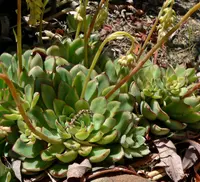
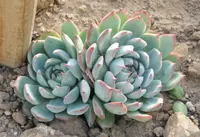
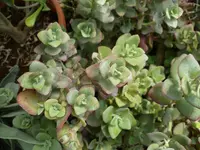
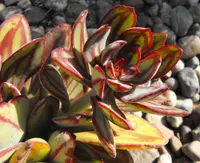
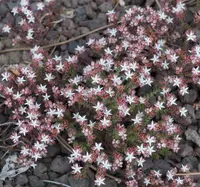
Red stonecrop, Sedum moranense, is a compact, mat-forming succulent known for its small, fleshy leaves that often turn red in strong light or cool temperatures. It typically grows low to the ground, creating dense cushions that can spill attractively over edges.

This species is native to rocky, high-altitude areas of Mexico, where it adapts to strong sun, sharp drainage, and limited water. Its drought tolerance and slow, tidy growth habit make it suitable for beginners seeking to learn how to care for red stonecrop.

It prefers bright light, infrequent watering, and gritty, well-draining soil, which helps prevent root rot and maintains its compact form.

Main Plant Requirements

Care Difficulty

Easy Care

Light Preference

Full Sun

Water Requirements

Low Water

Temperature Preference

Warm Climate

Hardiness Zone

8–11

Soil Texture

Sandy, Loamy, Rocky

Soil pH

Slightly acidic (6.5–7.0), Neutral (7.0)

Soil Drainage

Well-drained

Fertilization

Minimal (feed rarely)

Get Personalized Care Plan

Scan your plant to receive care tips personalized for your specific plant

Available on iOS and Android

How to Care for the red stonecrop

This sun-loving succulent needs bright outdoor exposure to color well and stay compact.

  • Provide 6–8 hours of direct sun daily, ideally strong morning sun and lighter afternoon sun, to support dense, red-tinted foliage in red stonecrop.
  • Allow light afternoon shade in very hot, dry climates to reduce leaf scorch and prevent pale, shriveled growth.
  • In winter, aim for the sunniest site available; low light for weeks leads to stretched stems, weak new growth, and reduced flowering next season.

This drought-tolerant species prefers infrequent, deep watering and fast-drying soil.

  • Outdoors in well-drained ground, water only when the top 3–5 cm of soil are completely dry; in many climates this means every 10–21 days in warm seasons.
  • Reduce watering sharply in fall and winter, only moistening soil after prolonged dryness to prevent root rot in Sedum moranense.
  • Watch for soft, yellowing, or translucent leaves as a sign of overwatering; persistent wrinkling and leaf drop indicate underwatering or extreme drought.

This succulent handles a wide temperature range but grows best in mild, dry conditions.

  • Optimal growth occurs around 60–80°F (16–27°C), with good air movement and low to moderate humidity to limit fungal problems.
  • Mature plants tolerate brief drops to about 15–20°F (-9 to -6°C) if soil drains well, but repeated freeze–thaw cycles can damage roots and crowns.
  • In hot summers above 90°F (32°C), provide light afternoon shade and avoid reflected heat from walls or rock to reduce stress and sunscald.

Sedum moranense handles low humidity well and does not need extra moisture in the air.

  • Aim for 30–50% humidity, similar to most heated indoor homes or outdoor arid conditions.
  • Dry, heated air is usually tolerated, but prolonged exposure above 60% humidity can promote rot at the leaf bases.
  • If air is very humid, increase air movement and avoid misting to reduce moisture lingering on foliage and stems.

Sedum moranense needs very fast-draining, mineral-rich soil to prevent root and stem rot.

  • Use a gritty mix such as 50–70% inorganic material (coarse sand, pumice, or perlite) blended with 30–50% lean potting mix or cactus mix.
  • Aim for a slightly acidic to neutral pH around 6.0–7.0, avoiding strongly alkaline, compacted, or high-clay soils.
  • In heavy native soil, grow Sedum moranense in raised beds or mounded planting spots to improve drainage and aeration around the roots.
  • Avoid water-retentive ingredients like high-peat mixes or unamended garden soil that stay wet for more than 1–2 days after watering.

This species is well suited to container growing, especially in shallow, fast-draining pots.

  • Select a low, wide container to match its spreading habit and reduce the risk of the plant tipping over when stems trail.
  • Choose unglazed terracotta if extra evaporation is needed in humid or rainy climates, as it helps pull moisture away from the root zone.
  • Elevate the pot on feet or a stand so drainage holes stay clear and excess water escapes quickly after rainfall or watering.

Sedum moranense is adapted to poor soils and needs only light feeding in containers or very depleted beds.

  • Use a diluted balanced liquid fertilizer (around 10-10-10) at 1/4–1/2 strength for red stonecrop in pots during active growth.
  • Feed every 4–6 weeks in spring–summer; avoid heavy, frequent applications that cause weak, floppy growth.
  • Skip synthetic fertilizer in winter; at most, top-dress once a year with a thin layer of compost in spring.
  • Always water lightly before applying fertilizer to reduce root burn risk, especially in small containers.

Sedum moranense responds well to light, timely pruning that keeps the mat dense and tidy.

  • Best time is late winter or early spring, before strong new growth starts.
  • Shear or pinch back leggy, stretched stems to restore a compact, cushion-like shape.
  • Remove dead, damaged, or very crowded shoots to improve airflow and reduce rot risk.
  • Use clean, sharp scissors or small pruners and avoid cutting into thick, woody crown bases.

This sedum stays compact, so repotting or transplanting is infrequent but sometimes useful for vigor.

  • Look for roots circling the pot, water draining too fast, or noticeably slower growth as cues to move it.
  • Plan to repot or transplant every 3–4 years in early spring, when new growth just begins.
  • Choose a shallow, well-draining container or gritty outdoor site and handle the brittle roots gently.
  • Loosen circling roots lightly, replant at the same depth, water once, then keep soil barely moist while it reestablishes.

This species is commonly propagated to expand groundcover patches or refresh older clumps.

  • Stem cuttings in late spring–summer root best; let cut ends callus 1–2 days before planting in gritty mix.
  • Gently divide mature clumps in early spring, keeping several stems and roots in each division.
  • Leaf cuttings can root on the soil surface if kept bright, warm (65–75°F), and only slightly moist.
  • Seeds can be surface-sown on well-draining mix and kept lightly moist until germination under bright, indirect light.

Sedum moranense is generally cold hardy and needs minimal winter care in the ground.

  • Tolerates light to moderate frosts; in very cold areas, add a 2–3 cm gravel or leaf mulch around roots.
  • Do not keep soil wet in winter, especially in heavy or compacted ground, to limit rot risk.
  • Move small containers under cover or indoors to a bright, cool, frost-free spot with sparse watering.

Care Tips

Encourage Compact Growth

Pinch back soft new tips in early spring to keep plants dense, low, and cushion-shaped, rather than letting stems elongate and become sparse.

Use Gravel Topdressing

Apply a 0.5–1 in layer of coarse grit or small gravel around the crown to keep leaves dry, reduce rot at the base, and discourage moss or algae on the soil surface.

Winter Wet Protection

In regions with cold, wet winters, provide a simple rain shield or grow in a clay pot under an overhang so the root zone stays relatively dry while still receiving cold needed for normal dormancy.

Propagate From Breakage

Any healthy stem or rosette that snaps off can be laid on dry, gritty mix and lightly pressed in place, where it will usually root within a few weeks without rooting hormone.

Strategic Container Placement

Plant in shallow, wide containers with drainage holes and place them on raised feet or a wire bench so runoff clears quickly, a key detail in Sedum moranense care where excess standing water is the main long-term risk.

Common Pests and Diseases

Mealybugs

This pest feeds on succulent leaves and stems, sucking sap and leaving cottony white clusters in leaf axils and between tightly packed stems. Symptoms include stunted growth, sticky honeydew, and sooty mold on older, crowded clumps.

Solution

Isolate the plant, then dab visible mealybugs with cotton swabs dipped in 70% isopropyl alcohol and repeat weekly until gone. Improve light and air movement, trim overly dense patches, and if needed use a labeled ready-to-use insecticidal soap, ensuring good coverage in crevices without saturating the soil.

Aphids

These insects cluster on new growth and flower stems, causing curling or misshapen leaves and sticky residues that attract ants. Infestations are more common on soft, rapidly growing tips of well-watered plants.

Solution

Spray the plant with a firm stream of water to dislodge aphids, repeating every few days as needed. For persistent colonies, use insecticidal soap or a neem oil spray labeled for succulents, applied in the early morning or evening to avoid leaf burn, and reduce excess nitrogen-rich fertilization that encourages tender growth.

Spider mites

This pest is favored by hot, dry conditions and can cause fine webbing between stems, along with speckled, dull foliage. Symptoms include slow decline of dense mats, especially in containers placed close to reflective walls or hot windows.

Solution

Rinse the plant thoroughly with water, focusing on stems and undersides of leaves, and increase ambient humidity slightly without keeping the foliage constantly wet. If activity continues, apply a miticidal soap or neem-based product labeled for mites and rotate the plant occasionally so surfaces receive more even light and airflow.

Fungal leaf spots

This disease appears as small brown, tan, or dark purple spots on leaves, sometimes with yellow halos, often spreading in plants kept too shaded and damp. Symptoms include premature leaf drop on the lower, inner parts of thick clumps.

Solution

Remove and discard affected leaves and any heavily spotted stems to reduce spore spread, then improve drainage and spacing so foliage dries quickly after watering or rain. Water at the soil level, avoid evening overhead watering, and if spots continue to spread, apply a copper or chlorothalonil-based fungicide according to label directions, focusing on foliage rather than soil.

Crown and stem rot

This disease affects the base of stems where they meet the soil, causing blackened, mushy tissue and rapid collapse of sections of the mat, especially in heavy or waterlogged substrates. Symptoms include foul-smelling, softened crowns and easy detachment of affected stems from the soil.

Solution

Remove and discard all rotted tissue and any adjacent soft stems, then allow the area to dry thoroughly and correct drainage by using a gritty, fast-draining mix and avoiding saucers full of water. Replant only firm, healthy cuttings in fresh substrate and water sparingly until established, which is a key aspect of Sedum moranense care in humid or rainy climates.

Interesting Facts

High-elevation Mexican native

This species is native to rocky slopes and cliffs of central Mexico, where it often grows at higher elevations in thin, fast-draining soils with strong sun and wide temperature swings.

Seasonal color changes

Its small, cylindrical leaves can turn reddish under strong light, cold, or drought stress, a response caused by increased production of protective pigments called anthocyanins.

Mat-forming growth habit

The plant develops many short, branched stems that root along the ground, gradually forming dense, low mats that help stabilize shallow, stony substrates.

FAQs about red stonecrop

Brown leaves usually result from underwatering, intense reflected heat, or fertilizer burn. Check soil moisture first, then reduce direct reflected heat from walls or rocks. Flush excess salts with a thorough watering and avoid strong liquid feeds.

Grow Healthy Plants with Botan Care

Keep your plants happy and healthy with plant identification, disease detection, and easy care guidance.

Botan plant care app — identify plants on mobile

Explore More Plants