Maiden Quiver Tree Care (Aloidendron ramosissimum)

Also known as: Maiden's Quivertree, Maiden's Quivertree Aloe
Maiden Quiver Tree

About Maiden Quiver Tree

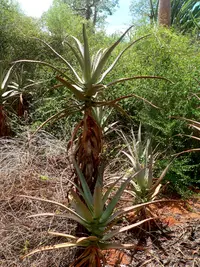
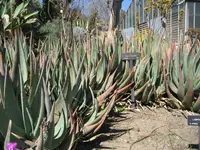
The maiden quiver tree, Aloidendron ramosissimum, is a branching, tree-form succulent from arid regions of Namibia and South Africa. It belongs to the same group as tree aloes and develops a woody trunk over time. Its upright, many-branched crown carries clusters of narrow, blue-green leaves at the tips, giving a sculptural, architectural look suited to dry gardens or large containers. Growth is slow but long-lived in suitable conditions. This species prefers strong light, excellent drainage, and infrequent watering, which makes it suitable for low-maintenance, dry indoor or outdoor settings. Understanding how to care for Maiden Quiver Tree mainly involves managing light and avoiding excess moisture.

Main Plant Requirements

Care Difficulty

Moderate Care

Light Preference

Full Sun

Water Requirements

Low Water

Temperature Preference

Warm Climate

Hardiness Zone

9–11

Soil Texture

Sandy, Loamy, Rocky

Soil pH

Slightly acidic (6.5–7.0), Neutral (7.0)

Soil Drainage

Well-drained

Fertilization

Minimal (feed rarely)

Get Personalized Care Plan

Scan your plant to receive care tips personalized for your specific plant

Available on iOS and Android

How to Care for the Maiden Quiver Tree

This arid-climate succulent thrives in strong light and benefits from consistent sun exposure.

  • Provide 6–8 hours of direct sun daily, ideally with morning sun and light afternoon shade in very hot, inland summer climates.
  • In coastal or mild regions, Aloidendron ramosissimum tolerates full sun all day; in hotter interiors, use filtered light during 12–4 p.m. to reduce leaf scorch.
  • Insufficient light leads to elongated, weak growth; gradually increase sun over 1–2 weeks after shade or cloudy seasons to prevent sunburn on stems and leaves.

This drought-adapted species prefers infrequent, deep watering and fast-draining soil.

  • Allow the top 3–5 cm of soil to dry fully before watering; in hot, dry seasons this may mean watering only when leaves start to look slightly dull or less plump.
  • Use sharply drained, sandy or gravelly soil so water runs through within seconds; standing water or heavy clay increases root-rot risk for Aloidendron ramosissimum.
  • In cool or rainy seasons, reduce watering sharply; yellowing, mushy roots or a sour smell suggest overwatering, while shriveling stems indicate prolonged drought stress.

This desert shrub prefers warm, dry conditions and is sensitive to hard frost.

  • Aim for 65–85°F (18–29°C) for active growth, with the warmest, driest months promoting strongest development and flowering.
  • Short drops to about 28–30°F (-2 to -1°C) may be survived if dry, but repeated frost or freezing, wet soil, and cold winds can damage or kill tissue.
  • In hotter regions, plants tolerate 95–105°F (35–40°C) if soil drains well and air moves freely; avoid reflected heat pockets that can overheat roots around hard surfaces.

Humidity is rarely a concern, as this species is adapted to very dry air.

This species needs a very fast-draining, mineral-based mix to prevent root rot.

  • Use a gritty, sandy mix such as 60–70% mineral components (pumice, coarse sand, perlite) with 30–40% lean cactus potting mix.
  • Aim for slightly acidic to neutral pH, around 6.0–7.0, which suits Aloidendron ramosissimum in containers.
  • Ensure large drainage holes and keep the mix loose to maintain strong aeration around the roots.
  • Avoid peat-heavy, compact, or water-retentive soils, which hold moisture and can quickly cause root decline.

This species is well suited to container growing when the pot is stable and drains very quickly.

  • Choose a heavy, wide-based pot to counteract the tall, top-heavy growth and prevent tipping in wind or when soil is dry.
  • Use unglazed clay if faster moisture loss is desired, or thicker ceramic if conditions are very hot and dry and water evaporates too quickly.
  • Select a pot only 2–5 cm wider than the root mass to limit excess wet substrate while still allowing some lateral root expansion.

This drought-adapted succulent tree needs only modest feeding under cultivation.

  • Use a low-dose, balanced liquid fertilizer (around 10-10-10) diluted to 25–50 % strength for Maiden Quiver Tree in spring and early summer.
  • Apply every 6–8 weeks during active growth, only to moist soil, to avoid root burn.
  • Skip fertilizer in fall and winter, when growth slows or stops.
  • In very poor soils, a light top-dressing of compost in spring can support steady, compact growth.

Pruning Aloidendron ramosissimum focuses on safety, structure, and removing weak tissue rather than shaping heavily.

  • Carry out pruning in late winter to early spring, before strong new growth starts.
  • Remove dead, damaged, crossing, or pest-infested branches with clean, sharp bypass pruners or a small saw.
  • Limit cuts to smaller branches to maintain the natural branching form and stable crown.
  • Allow cut surfaces to dry and callus; avoid sealants unless disease risk is high.

Container or young landscape plants benefit from infrequent but careful transplanting to maintain healthy roots.

  • Plan repotting or transplanting in late spring, once temperatures are consistently warm and growth resumes.
  • Look for roots circling the pot, pushing from drainage holes, or reduced growth as signs it needs more space.
  • Transplant every 3–5 years into a container or site with very sharp drainage, using a gritty cactus or succulent mix.
  • Minimize root stress by handling the root ball gently, keeping roots slightly dry, and shading the plant for 3–7 days after moving.

Aloidendron ramosissimum is usually propagated from stem cuttings or seeds under warm, dry conditions.

  • Take semi-woody stem cuttings in late spring or summer, then air-dry until a firm callus forms on the cut end.
  • Root cuttings in a sterile, gritty cactus mix, keeping temperatures around 70–80°F and watering very sparingly.
  • Sow fresh seeds in shallow trays with well-drained mix, barely covering them and keeping lightly moist, not wet.
  • Provide bright, indirect light and good airflow for both cuttings and seedlings to limit rot and encourage compact growth.

This species prefers mild, dry winters and only tolerates brief light frosts.

  • In-ground plants in mild climates may handle short drops near 25–28°F if soil drains very well.
  • Add a light, dry gravel or coarse sand mulch around the root zone to keep the crown slightly warmer and drier.
  • Move container plants indoors or to a cold greenhouse before hard frost, giving bright light and minimal water.
  • Keep soil almost dry in winter, as cold, wet roots increase the risk of rot.

Care Tips

Encourage Compact Form

Rotate the container 90° every 2–3 weeks during active growth so all sides receive similar light, which helps maintain an even, compact canopy instead of leaning stems.

Stabilize Top-Heavy Stems

As the plant becomes taller and more branched, anchor the root ball in a wide, heavy container and top-dress with coarse gravel to prevent tipping and to keep the woody base dry.

Protect From Winter Wet

In regions with cool, wet winters, move potted plants under a deep eave or into an unheated, very bright space so the roots stay dry while the plant remains cool and dormant.

Monitor Trunk Hardening

Check the lower stem and trunk for firm, woody tissue before allowing significant side-branching, and remove very low, weak shoots so energy goes into building a strong main framework.

Inspect Leaf Axils

When caring for Maiden Quiver Tree, regularly check the tight spaces where leaves attach to stems and blow or rinse out trapped debris, which reduces scale and mealybug hiding spots.

Common Pests and Diseases

Aloe mite

This pest causes distorted, swollen, or bumpy growth on leaves and stems, often forming wart‑like or cauliflower‑like galls. Symptoms include abnormal clumps of tissue, especially near leaf bases and growing tips.

Solution

Remove and discard all visibly deformed or gall‑covered tissue with sterile tools, cutting well into healthy tissue to reduce mite numbers. Isolate the plant, dispose of contaminated debris in the trash (not compost), then apply a labeled miticidal spray or sulfur‑based product to remaining healthy tissue and monitor new growth closely.

Aloe scale

These insects appear as small, hard, brown or gray bumps on leaves and stems, often lined along the ridges of the succulent foliage. This pest sucks plant sap, leading to yellowing, poor vigor, and sticky honeydew that can attract sooty mold.

Solution

Gently scrape off individual scales with a cotton swab or soft brush dipped in isopropyl alcohol, then wash the plant with a strong but steady stream of water. For heavier infestations, repeat physical removal and follow with several applications of a horticultural oil or insecticidal soap, ensuring full coverage of leaf surfaces and crevices.

Mealybugs

These insects form white, cottony clusters in leaf axils, root collars, and between crowded branches. This pest weakens the plant by feeding on sap and can cause stunted growth, yellowing, and sticky honeydew deposits.

Solution

Dab visible mealybugs with a cotton swab soaked in 70% isopropyl alcohol, then rinse the plant thoroughly to remove residues and hidden insects. For ongoing control, reduce excess humidity, improve air movement, and apply insecticidal soap or a light horticultural oil every 7–10 days until no new insects appear.

Bacterial soft rot

This disease causes water‑soaked, mushy areas at the leaf base or in damaged tissue, often with a sour or unpleasant odor. Symptoms include rapid collapse of affected leaves and spreading wet, translucent patches in the succulent tissue.

Solution

Cut out all affected, mushy tissue with sterile tools, slicing back to firm, dry, healthy tissue and allowing the wounds to dry and callus in a warm, airy place. Reduce watering, increase drainage and airflow, and avoid water sitting in leaf rosettes or wounds; discard plants that are extensively affected to protect nearby succulents.

Leaf spot

This disease causes small, sunken, brown to black spots on leaves, sometimes with a yellow halo or dry, cracked centers. Symptoms include scattered lesions that may coalesce, leading to cosmetic damage and premature leaf drop under persistently damp conditions.

Solution

Remove affected leaves to reduce inoculum, then keep foliage dry by watering at the soil line and improving air circulation around the plant. In humid or rainy climates, space plants to dry quickly after moisture events and, if spots continue to spread, apply a labeled copper‑based or broad‑spectrum fungicide according to instructions as part of broader Aloidendron ramosissimum care.

Interesting Facts

Desert cliff specialist

This species naturally grows on rocky slopes and cliff faces in the Richtersveld region of South Africa and Namibia, anchoring its roots into narrow rock crevices rather than deep soil plains.

Multi-branched bottle trunk

Mature plants develop a swollen, water-storing trunk with many upright, narrow branches, giving a candelabra-like form that distinguishes it from its close relative Aloidendron dichotomum.

Borderline desert tree

In its native habitat it often occurs at the transition between winter-rainfall desert and slightly less arid areas, forming small, open stands that provide structure in otherwise sparse vegetation.

Botan icon

Did you know?

This species is considered threatened in parts of its native range, with habitat degradation and climate change contributing to population decline, so some wild subpopulations are now monitored for long-term conservation.

FAQs about Maiden Quiver Tree

Growth is slow to moderate. Young plants may add 5–15 cm per year under warm, bright, dry conditions. As the trunk develops, vertical growth slows and energy shifts into branching and thickening rather than height gain.

Grow Healthy Plants with Botan Care

Keep your plants happy and healthy with plant identification, disease detection, and easy care guidance.

Botan plant care app — identify plants on mobile

Explore More Plants