prickly aloe Care (Aloe aculeata)

Also known as: Tent Cent Aloe
prickly aloe

About prickly aloe

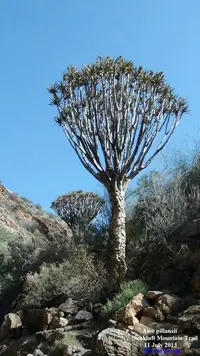
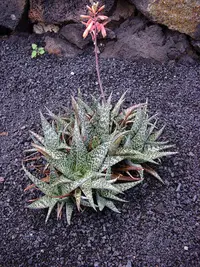
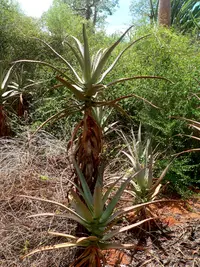
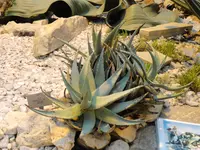
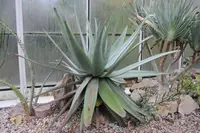
Prickly aloe, Aloe aculeata, is a compact, slow-growing succulent from South Africa and Zimbabwe. It forms a rosette of thick, pointed leaves covered with firm, cone-shaped spines. Mature plants can produce a tall flower stalk with orange to red tubular blooms that attract pollinators in warm climates. In containers it usually stays smaller and maintains a tidy, architectural shape.

This species comes from rocky, arid habitats, so it is adapted to strong light, brief rainfall, and very well-drained soil. Its drought tolerance and relatively slow growth make it suitable for sunny windowsills and dry indoor spots, as long as you understand how to care for prickly aloe and avoid overwatering.

Main Plant Requirements

Care Difficulty

Easy Care

Light Preference

Full Sun

Water Requirements

Low Water

Temperature Preference

Warm Climate

Hardiness Zone

9–11

Soil Texture

Sandy, Loamy, Rocky

Soil pH

Acidic (5.5–6.5), Slightly acidic (6.5–7.0)

Soil Drainage

Well-drained

Fertilization

Minimal (feed rarely)

Get Personalized Care Plan

Scan your plant to receive care tips personalized for your specific plant

Available on iOS and Android

How to Care for the prickly aloe

Aloe aculeata thrives in bright, direct light that mimics its native open, sunny habitat.

  • Provide 6–8 hours of direct sun daily; morning sun plus light afternoon sun is ideal, especially in cooler climates.
  • In very hot regions, give light afternoon shade or filtered light to prevent leaf scorch and excessive bronzing on prickly aloe leaves.
  • Plants grown in too much shade become thin and pale; gradually increase sun exposure in spring to avoid sudden burn after low-light winters.

Aloe aculeata needs infrequent, deep watering with thorough drying between soakings.

  • Water only when the top 3–5 cm of soil are completely dry; in hot, active growth this may be every 7–14 days, less often in cool seasons.
  • Use sharply draining, sandy or gritty soil so excess water runs off quickly and roots do not sit in soggy conditions.
  • Overwatering shows as soft, yellowing, or translucent leaves and a sour smell at the base; underwatering causes thin, curling, or wrinkled leaves that slowly shrink.

This species prefers warm, dry conditions and tolerates heat better than cold.

  • Aim for 65–85°F (18–29°C) for strongest growth, with plenty of light and low to moderate humidity.
  • Short dips to 30–32°F (-1–0°C) may be survived if soil is dry, but repeated frost damages leaves and can kill growing points.
  • In heat above 95°F (35°C), increase airflow and provide light afternoon shade; reduce watering in cool periods below 55°F (13°C) to prevent root rot.

Aloe aculeata handles typical indoor humidity well and usually does not need special adjustments.

  • Aim for 30–50% humidity, similar to most heated or air-conditioned homes.
  • Very dry air may cause leaf tips on prickly aloe to brown and curl slightly over time.
  • If air is extremely dry, place the pot on a pebble tray with water below the pot base to raise local humidity modestly.

Aloe aculeata needs a very fast-draining, mineral-based mix to prevent root rot.

  • Use a gritty mix such as 50–70% inorganic material (pumice, coarse sand, or small gravel) with 30–50% cactus potting mix.
  • Choose a soil pH around 6.0–7.5, which suits most succulent and cactus blends sold for arid plants.
  • Mix in extra pumice or perlite to increase air spaces if water takes longer than a few seconds to disappear from the surface.
  • Avoid dense, peat-heavy, or clay-rich substrates that stay wet, as they promote root and crown rot.

This species is well suited to container growing when the pot supports fast drainage and stability.

  • Select a low, wide pot that keeps the rosette stable and reduces tipping as the plant becomes heavy and spiny.
  • Use a container material like unglazed terracotta if extra evaporation is needed to counter slow-drying mixes.
  • Raise the pot slightly on feet or small tiles so drainage holes stay clear and water can exit quickly after each watering.

Aloe aculeata benefits from light, controlled feeding but grows acceptably in lean, gritty soil.

  • Use a balanced liquid fertilizer (for example 10-10-10 or 20-20-20) diluted to 25–50% strength for container plants.
  • Feed every 4–6 weeks during spring and summer only, when growth is active.
  • Skip fertilizing prickly aloe in fall and winter to avoid soft, weak tissue.
  • Avoid manure-heavy compost; use a low-organic, well-drained mix with optional slow-release granules mixed sparingly into the top layer.

Aloe aculeata needs only light, hygienic pruning to maintain appearance and plant health.

  • Carry out pruning in late winter or early spring, before strong new growth starts.
  • Remove dead, yellowing, or damaged leaves at the base with clean, sharp scissors or pruners.
  • Thin out badly crowded rosettes to improve airflow and reduce rot risk.
  • Limit cuts to problem leaves so the plant keeps its natural, compact form.

This species prefers tight, shallow containers and only occasional repotting or transplanting.

  • Repot every 3–4 years or when roots circle the pot, drainage slows, or growth stalls.
  • Best timing is late spring, using a slightly larger pot with a gritty cactus or succulent mix.
  • Gently loosen circling roots, remove old, soggy soil, and trim any dead or rotten roots.
  • After repotting, keep Aloe aculeata in bright shade and water lightly for 7–10 days to reduce stress.

Aloe aculeata is most often propagated by offsets, with seeds used mainly by more advanced growers.

  • Separate offsets in late spring or early summer when they have several leaves and their own root nubs.
  • Use a sterile knife to detach pups, then let cut surfaces dry for 2–3 days before potting.
  • Plant in a fast-draining succulent mix and keep slightly moist, not wet, in bright indirect light.
  • For seeds, sow on the surface of a gritty mix, keep at 70–80°F, and maintain barely moist conditions.

This aloe is not fully frost hardy and needs careful winter management in most temperate regions.

  • Avoid exposure below about 30°F; brief light frost may scar leaves and repeated freezes can kill the plant.
  • In ground, use a very well-drained site and apply a thin gravel mulch to keep the crown dry, not insulated and wet.
  • Move containers under cover or indoors to a bright, cool, dry spot before hard frost arrives.
  • Reduce watering sharply in winter so the soil dries well between light waterings, preventing cold-related rot.

Care Tips

Rain protection

In regions with cool, wet winters, move container plants under a deep eave or into a cold, very bright shelter so the rosette and crown stay dry, which greatly reduces rot and leaf-spot problems.

Rock mulch ring

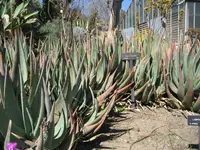
Top-dress the soil with a 2–5 cm layer of coarse gravel or small rocks, keeping them slightly away from the stem, to stabilize the plant, keep leaf bases dry, and mimic the natural rocky habitat.

Safe handling

Use thick gloves or folded newspaper to grip the rosette when repotting or inspecting roots to avoid injury from the spines and to keep the plant stable while you work.

Offset management

Inspect around the base once or twice a year and either remove crowded offsets with a clean knife for propagation or thin them out so the main plant keeps a compact, well-lit form.

Gradual sun shifts

When moving plants between indoor and outdoor positions or changing light levels, increase sun exposure over 7–14 days to prevent sunscald on older leaves, which is a key part of caring for prickly aloe.

Common Pests and Diseases

Aloe mite

This pest causes abnormal, warty, or horn-like growths on leaves and around the rosette, often starting in tight leaf axils where the mites hide. Symptoms include distorted tissue that may look like cauliflower or tumors and can slowly spread across the plant.

Solution

Remove and discard all affected leaf sections well back into healthy tissue with a sterile blade, then dispose of infected material in the trash, not compost. Isolate the plant, improve air movement and light, and if new galls appear, consider discarding the entire plant to protect nearby aloes, as chemical control for aloe mites is often unreliable in home settings.

Aloe rust

This disease produces small yellow spots that turn brown to black with an orange halo, mostly on older leaves. Symptoms include scattered pustules that can merge into larger lesions, making leaves look speckled or scorched.

Solution

Trim off and discard heavily spotted leaves, cutting with a clean, disinfected tool, and avoid overhead watering so foliage stays dry. Provide strong light, good air circulation, and allow soil to dry well between waterings; in very humid conditions a copper-based fungicide can be used according to label directions to protect remaining leaves.

Aphids

These insects cluster on young aloe leaves and flower stalks, sucking sap and causing curling, distortion, and sticky honeydew that can attract ants. This pest may also encourage sooty mold growth on the honeydew, giving leaves a dull, dirty look.

Solution

Rinse colonies off with a firm stream of water and remove badly deformed growth if needed, then repeat checks weekly. For persistent infestations, apply an insecticidal soap or neem oil spray to all leaf surfaces, including the crown and undersides, and reduce excess nitrogen fertilization that encourages soft, lush growth.

Scale insects

This pest appears as small, hard, tan to brown bumps on leaves and stems that do not move when touched. These insects suck sap, causing yellowing, slow growth, and sometimes a sticky residue on nearby surfaces.

Solution

Gently scrape or wipe individual scales off with a cotton swab dipped in isopropyl alcohol, then clean leaf surfaces to remove any remaining residue. For heavier infestations, repeat alcohol wiping or apply horticultural oil according to label instructions, ensuring the plant is kept in bright, indirect light and not stressed by overwatering during treatment.

Leaf spot

This disease causes scattered water-soaked spots on leaves that turn brown, purple, or black, sometimes with a lighter center. Symptoms include irregular blotches that can coalesce, making leaves look patchy and weak, especially under cool, damp conditions.

Solution

Remove and discard affected leaves to reduce the source of infection, then keep water off the foliage and allow the potting mix to dry well between waterings. Improve airflow around the plant, avoid crowding with other succulents, and in recurring cases use a labeled succulent-safe fungicide as a preventive measure on new, healthy leaves while adjusting watering to suit typical Aloe aculeata care conditions.

Interesting Facts

Hooked leaf spines

This species develops stiff, outward-pointing spines not only along the leaf margins but also scattered across the upper and lower leaf surfaces, giving it a markedly more armoured look than many other aloes.

Rocky habitat specialist

In the wild it occurs mainly on rocky slopes and stony hillsides in parts of South Africa and Zimbabwe, anchoring itself in shallow, mineral-rich soils with excellent drainage.

Compact solitary rosettes

Unlike many clustering aloes, mature plants usually remain as single, dense rosettes, which makes them naturally compact and structurally symmetrical in cultivation.

FAQs about prickly aloe

Lack of flowering usually comes from insufficient light, a pot that is too small, or the plant being too young. Mature rosettes bloom more reliably when kept slightly cool and dry in winter and not overfertilized.

Grow Healthy Plants with Botan Care

Keep your plants happy and healthy with plant identification, disease detection, and easy care guidance.

Botan plant care app — identify plants on mobile

Explore More Plants