Top-dressing gravel
Apply a 0.5–1 cm layer of clean mineral grit or small gravel on the soil surface to keep the neck of the plant dry, reduce crown rot risk, and discourage fungus gnat larvae.

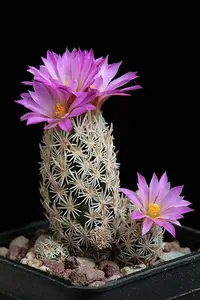
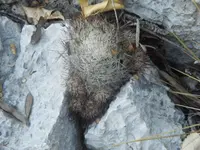
The Nellie cory cactus, Escobaria minima, is a tiny, slow-growing desert cactus valued for its compact size and neat, clustering habit. It forms small rounded mounds covered with short, white spines that give it a delicate, textured look. In nature, this species is found in a limited area of Texas, growing in rocky, well-drained limestone soils with strong sun and low rainfall. Its small size and slow growth make it suitable for pots and indoor collections, but it needs bright light and very sharp drainage. Understanding how to care for Nellie cory cactus mainly comes down to avoiding excess water and providing plenty of light.

Care Difficulty
Moderate Care

Light Preference
Full Sun

Water Requirements
Low Water

Temperature Preference
Warm Climate

Hardiness Zone
7–10

Soil Texture
Sandy, Rocky, Loamy

Soil pH
Slightly acidic (6.5–7.0), Neutral (7.0)

Soil Drainage
Well-drained

Fertilization
Minimal (feed rarely)
Scan your plant to receive care tips personalized for your specific plant
Available on iOS and Android
This small cactus needs strong light but benefits from some protection during peak heat.
Watering should mimic an arid climate with short wet periods and long dry intervals.
This species prefers warm, dry conditions but tolerates substantial cold if kept nearly dry.
Humidity is usually not critical for Escobaria minima if watering is controlled carefully.
Escobaria minima requires a very fast-draining, mineral-based substrate to prevent root and stem rot.
This species is well suited to container culture due to its small, clustering growth habit.
Escobaria minima grows well with very light feeding, so focus on restraint rather than routine fertilizing.
Escobaria minima rarely needs structural pruning, but occasional clean-up maintains health and appearance.
This cactus prefers to stay slightly root-bound, so repotting is infrequent and should be done carefully.
Escobaria minima is commonly propagated from offsets and sometimes from seed under controlled conditions.
This species is relatively cold tolerant when kept dry, but winter moisture control is critical.

Plant Health Check
Not sure what's wrong with your plant? Check your plant's health inside the app.
This cactus is naturally restricted to a very small area of the Edwards Plateau in Texas, making it a true micro‑endemic species with a highly localized native range.
The stems often grow partly sunken among limestone gravel and mimic small stones in color and size, which helps reduce herbivory and water loss in its rocky habitat.
Individual stems are usually under 2 cm tall and wide, forming discreet clusters that remain miniature even when mature compared with many other Escobaria species.

Escobaria minima was once considered extinct in the wild until remnant populations were rediscovered in Texas, leading to increased conservation attention and careful monitoring of its remaining habitat.
This species usually flowers in spring, often between April and May, once established. Small pale pink to lavender blooms appear at the crown. Good light, a cool dry winter rest, and stable conditions support reliable flowering.
Keep your plants happy and healthy with plant identification, disease detection, and easy care guidance.