vine-like moonlight cactus Care (Selenicereus spinulosus)

Also known as: Nightblooming Cereus, Pitayita-nocturna Espinosa
vine-like moonlight cactus

About vine-like moonlight cactus

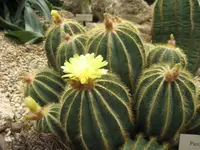
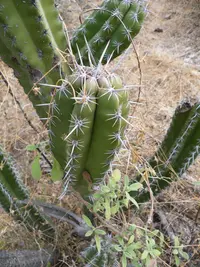
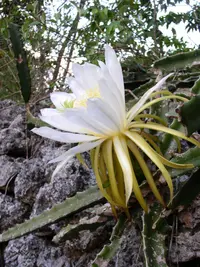
The vine-like moonlight cactus, Selenicereus spinulosus, is a climbing or trailing cactus with slender, ribbed stems and sparse, short spines. It often grows through supports or cascades from containers, giving a loose, architectural look.

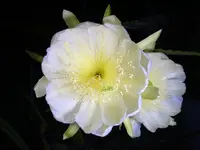
In nature it occurs in dry, rocky areas of Mexico and the southern United States, where it uses shrubs or rocks for support. It is valued for its large, night-blooming flowers, though blooms are less frequent in average homes.

This species is moderately easy to manage if given bright light, very free-draining soil, and careful watering. Understanding how to care for vine-like moonlight cactus mainly involves avoiding excess moisture and providing enough warmth and light.

Main Plant Requirements

Care Difficulty

Moderate Care

Light Preference

Partial Sun

Water Requirements

Low Water

Temperature Preference

Warm Climate

Hardiness Zone

9–11

Soil Texture

Sandy, Loamy, Rocky

Soil pH

Acidic (5.5–6.5), Slightly acidic (6.5–7.0)

Soil Drainage

Well-drained

Fertilization

Light (every 4–6 weeks)

Get Personalized Care Plan

Scan your plant to receive care tips personalized for your specific plant

Available on iOS and Android

How to Care for the vine-like moonlight cactus

This species prefers bright, indirect light with some gentle direct sun each day.

  • Provide 4–6 hours of morning or late-afternoon sun, with filtered or dappled light during harsh midday hours to prevent stem scorch.
  • Tolerates light partial shade, but growth and flowering of the vine-like moonlight cactus decline if kept in low light for long periods.
  • Outdoors, give more sun in cool seasons and a bit more shade in summer; indoors, place near an east or bright south-facing window with sheer curtains.

This cactus prefers thorough but infrequent watering that allows the soil to dry between soakings.

  • Water only when the top 3–5 cm of soil feel completely dry, then water deeply so it drains freely from the pot or planting area.
  • During active growth in spring and summer, expect to water more often; in autumn and winter, reduce frequency so the soil dries out almost entirely between waterings.
  • Watch for signs: yellow, soft, or splitting stems suggest overwatering, while wrinkled, thin, or drooping stems indicate the need for a careful, deep drink.

This cactus favors warm conditions and does poorly in cold, especially with moisture present.

  • Ideal growing temperatures are 70–85°F (21–29°C) by day and 60–70°F (16–21°C) at night for steady growth and flowering.
  • Protect from cold below 40°F (4°C); brief dips to 35°F (2°C) may be survived if dry, but frost can damage or kill tender stems.
  • Tolerates short heat waves up to about 95–100°F (35–38°C) if shaded from intense afternoon sun and given good air movement to limit stress.

This species handles typical indoor humidity but benefits from slightly drier air than many tropical houseplants.

  • Aim for 30–50% humidity, similar to average heated or air-conditioned homes.
  • Dry air is usually tolerated, but prolonged levels below 25% can cause shriveling stems and brown, papery rib edges in vine-like moonlight cactus.
  • Increase humidity slightly by grouping plants or placing a shallow pebble tray nearby, avoiding misting that keeps stems wet for long periods.

Provide a very fast-draining, airy mix that mimics rocky, organic-poor habitats.

  • Use a cactus mix amended with extra mineral grit, such as 50–60% commercial cactus mix plus 40–50% pumice, perlite, and coarse sand.
  • Aim for a loose, crumbly texture that never compacts; water should flow through within seconds without pooling on the surface.
  • Keep pH slightly acidic to neutral (pH 6.0–7.0), which suits Selenicereus spinulosus and helps nutrient uptake without causing toxicity.
  • Avoid heavy garden soil, peat-only mixes, or any blend that stays wet for more than 2–3 days, as this greatly increases root and stem rot risk.

This species is well suited to container growing, especially for controlling its scrambling, climbing habit.

  • Choose a wide, relatively shallow pot to accommodate spreading roots while keeping the plant base stable and less prone to tipping as stems elongate.
  • Use a container material that matches your climate: unglazed terracotta for damp regions to let the mix dry faster, or glazed ceramic where air is very dry.
  • Secure a trellis, hoop, or hanging support directly in the pot so new stems can be guided upward or outward without stressing the shallow root system.

Selenicereus spinulosus benefits from modest feeding during its warm-season growth phase in containers.

  • Use a balanced cactus fertilizer (around 10-10-10) or diluted all-purpose feed at 1/2–1/4 strength.
  • Apply every 4–6 weeks in late spring through summer when new stems extend actively.
  • Skip fertilizer in fall and winter to allow a natural rest period.
  • In rich, fast-draining mixes, reduce feeding further to avoid soft, weak growth.

Pruning helps manage size and encourage healthier flowering stems on Selenicereus spinulosus.

  • Prune in late winter or early spring before vigorous new growth starts.
  • Remove dead, shriveled, storm-damaged, or pest-infested stems with clean, sharp shears.
  • Thin out very crowded or tangled vines to improve light penetration and air flow.
  • Shortening overly long stems can control spread and encourage branching from lower nodes.

Container-grown plants need occasional repotting to support the vining habit and steady growth.

  • Repot every 2–3 years or when roots circle the pot base, emerge from drainage holes, or growth slows.
  • Plan repotting for late winter to early spring, just before active growth resumes.
  • Move up only 1 pot size, using a gritty, free-draining cactus mix to limit waterlogging stress.
  • Handle roots gently, keep the root ball slightly intact, and withhold heavy watering for 3–5 days afterward.

New Selenicereus spinulosus plants are most often produced from stem cuttings rather than seed.

  • Take 10–15 cm healthy stem segments in late spring or early summer.
  • Allow cut ends to dry and callus for 2–5 days in bright, indirect light.
  • Insert cuttings into a very well-drained, barely moist cactus mix and keep around 70–80°F.
  • Provide bright, indirect light and minimal watering until firm rooting develops, then pot on carefully.

This cactus is frost sensitive and needs thoughtful winter care in most climates.

  • Move containers indoors before temperatures drop near 40°F, placing them in bright, indirect light.
  • Keep soil almost dry in winter, watering lightly only to prevent complete shriveling.
  • In mild climates, grow Selenicereus spinulosus in a very sheltered spot and mulch the root zone lightly.
  • Avoid cold drafts on indoor plants and keep winter temperatures near 55–65°F for best survival.

Care Tips

Support The Vines

Install a sturdy trellis, wire frame, or hanging support and gently tie new stems with soft plant ties so the long, scrambling shoots do not kink, break, or shade each other excessively.

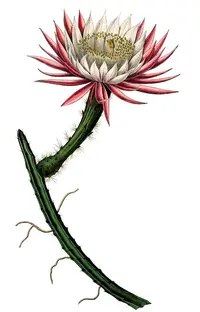
Nighttime Flower Check

In late spring and summer, inspect buds and flowers after dusk with a dim light, then gently rotate or shift the pot if needed so developing buds are not pressed against walls or glass, which can cause deformities or rot spots.

Root-Run Management

Every 2–3 years, unpot and lightly tease apart the outer roots, trimming only dead or circling sections, then replant at the same depth so the plant keeps its vigor without being shocked by heavy root pruning.

Targeted Pest Scouting

Focus pest checks along the ribbed stems and in areoles (the small tufted spots) using a hand lens, since mealybugs and scale often hide there and are easiest to control when caught at the first few insects.

Seasonal Growth Mapping

Mark the pot rim or support with a waterproof pen at the start of the warm season and measure vine extension monthly to track vigor, which helps adjust fertilizer and light when growing vine-like moonlight cactus.

Common Pests and Diseases

Mealybugs

This pest often hides in stem joints and along the ridged segments, sucking sap and causing yellowing, stunted growth, and sticky honeydew deposits.

Solution

Isolate the plant, then dab visible insects with cotton swabs dipped in 70% isopropyl alcohol and rinse the stems with lukewarm water; repeat weekly until no new pests appear. For larger infestations, apply a neem oil or insecticidal soap spray labeled for cacti, ensuring good coverage along the length of the vines and improving airflow around the plant.

Spider mites

These insects favor the thin, ribbed stems of this vine-like cactus in warm, dry conditions, causing fine webbing, dull discoloration, and a dusty appearance on the segments.

Solution

Increase humidity slightly around the plant and hose or shower the stems thoroughly to remove mites and webbing. Use an insecticidal soap or miticide labeled for indoor ornamentals, repeating at 5–7 day intervals until new growth appears clean and undamaged.

Scale insects

This pest appears as small, hard, dome-shaped bumps along the stems, leading to sap loss, sticky honeydew, and gradual decline of vigor.

Solution

Gently scrape or lift off individual scales with a soft brush or your fingernail, then wipe stems with a cloth moistened with diluted alcohol. For persistent populations, apply a horticultural oil spray, thoroughly coating stems and repeating as directed to catch new hatchlings while monitoring for leaf or stem burn.

Fungal stem spots

This disease produces small tan to dark brown spots or patches on the green stems, sometimes with slightly sunken or corky tissue where moisture lingers on the plant surface.

Solution

Prune out badly affected stem sections with sterile tools and avoid overhead watering so stems dry quickly after irrigation. Improve air circulation, keep the plant in bright, indirect light, and, if spotting continues to spread, use a sulfur or copper-based fungicide suitable for cacti, following the label carefully.

Bacterial soft rot

Symptoms include suddenly soft, water-soaked, foul-smelling areas on the fleshy stems, often starting at a wound or where water has pooled.

Solution

Cut away all affected stem tissue well into firm, healthy material using sterilized tools, then allow cut surfaces to dry and callus in a warm, airy spot. Reduce watering, avoid splashing the stems, and discard severely affected plants if rot continues to spread, since bacterial infections move quickly and are difficult to reverse when advanced.

Interesting Facts

Night-blooming strategy

This cactus opens its pale pink to purplish flowers at night, an adaptation to attract nocturnal pollinators such as moths in its native habitats from northeastern Mexico into southern Texas.

Spiny climbing stems

Unlike many other epiphytic cacti with smooth stems, this species has slender, angular, and distinctly spiny stems that can scramble through shrubs and trees, combining traits of both desert and rainforest cacti.

Edge-of-range native

It is one of the few epiphytic or climbing cacti naturally occurring in the United States, where it grows in limited areas of Texas, often in dry thickets or on rocky slopes rather than in dense tropical forest.

Botan icon

Did you know?

The species was first described scientifically in the 19th century from Mexican material, and later its presence in southern Texas helped demonstrate that some so-called jungle cacti naturally extend into much drier, more temperate environments than previously assumed.

FAQs about vine-like moonlight cactus

Lack of flowering usually comes from insufficient light, no pronounced cool, dry rest in winter, or a plant that is still immature. Well-grown stems often need several years before reliably setting buds.

Grow Healthy Plants with Botan Care

Keep your plants happy and healthy with plant identification, disease detection, and easy care guidance.

Botan plant care app — identify plants on mobile

Explore More Plants