Rotate For Symmetry
Turn the pot a quarter turn every 2–3 weeks during active growth so the ribs stay evenly spaced and the plant keeps a balanced, spherical shape instead of leaning toward the light source.

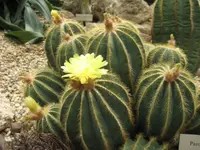
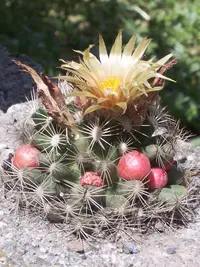
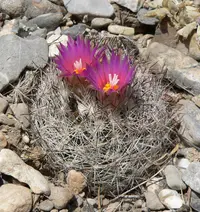
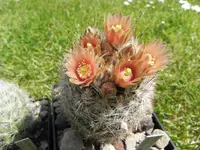
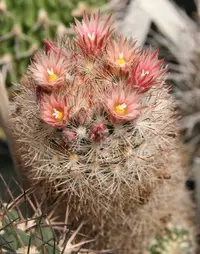
Balloon cactus (Parodia magnifica) is a small, globular cactus known for its neat ribbed body and symmetrical look. Mature plants may form clusters of rounded heads over time.
It is native to grasslands and rocky slopes in southern Brazil, where it grows in bright, open conditions with sharp drainage. Spines are relatively fine and not overly aggressive compared with many desert cacti.
This species is considered easy to grow for most indoor cactus collections. It prefers strong light, low to moderate watering, and a gritty, fast-draining soil. These traits make it straightforward to care for Balloon cactus if overwatering is avoided.

Care Difficulty
Easy Care

Light Preference
Full Sun

Water Requirements
Low Water

Temperature Preference
Tropical / Frost Sensitive

Hardiness Zone
10–11

Soil Texture
Sandy, Loamy, Rocky

Soil pH
Acidic (5.5–6.5), Slightly acidic (6.5–7.0)

Soil Drainage
Well-drained

Fertilization
Light (every 4–6 weeks)
Scan your plant to receive care tips personalized for your specific plant
Available on iOS and Android
Parodia magnifica needs bright, direct sun for compact, healthy growth.
Parodia magnifica prefers deep but infrequent watering with fast-drying soil.
This cactus thrives in warm, dry conditions with a cool but not freezing winter rest.
This species handles typical indoor humidity well and rarely needs special adjustments.
Parodia magnifica prefers a very fast-draining, mineral-rich substrate that dries quickly between waterings.
This cactus is very suitable for container growing due to its compact, slow growth and shallow root system.
Parodia magnifica benefits from light, controlled feeding tailored to cactus needs during active growth.
Parodia magnifica needs very little pruning, mainly for health and safety around its spines.
Repotting is infrequent but important to maintain root health and stable growth in this cactus.
Parodia magnifica is usually propagated by seed, since offsets are less common than in some other cacti.
This cactus needs cool, dry winter conditions and is not tolerant of prolonged freezing.

Plant Health Check
Not sure what's wrong with your plant? Check your plant's health inside the app.
This species is known for its strongly ribbed, blue‑green stems that can show a frosted look due to a waxy cuticle, which helps reduce water loss in its native dry habitats.
Mature plants often offset at the base and form tight cushions of rounded stems, a growth pattern that increases stability on rocky slopes in southern Brazil.
It produces relatively large, silky yellow flowers from the crown in summer, with each bloom opening in strong light and attracting native pollinators in its natural range.

Parodia magnifica was originally described under a different genus (notably Echinocactus and later Notocactus) before taxonomic research based on morphology and geography placed it in the genus Parodia, illustrating how cactus classification has changed with improved botanical study.
Lack of flowers usually comes from insufficient light, a pot that is too large, or no cool, dry winter rest. Older, well-lit plants bloom more reliably once slightly root-bound and given a distinct, drier winter period.
Keep your plants happy and healthy with plant identification, disease detection, and easy care guidance.