Least Stonecrop Care (Sedum lydium)

Least Stonecrop

About Least Stonecrop

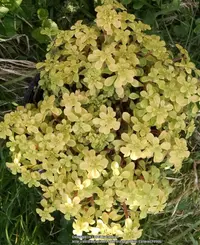
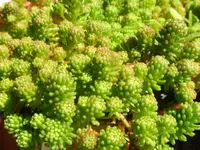
Least stonecrop (Sedum lydium) is a low-growing, mat-forming succulent often used as a groundcover or in rock gardens and troughs. It forms dense cushions of tiny, fleshy leaves that can develop red tones in cooler or sunnier conditions.

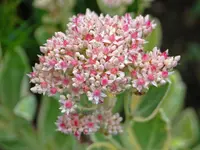
In summer, it produces small star-shaped flowers that rise slightly above the foliage, adding a fine-textured, delicate look. This species is native to rocky, mountainous areas of parts of Europe and western Asia, where it naturally grows in shallow, well-drained soils.

Its drought tolerance and compact growth habit make it relatively easy to manage in suitable conditions. Those who want to care for Least Stonecrop should provide bright light, good drainage, and avoid consistently wet soil.

Main Plant Requirements

Care Difficulty

Easy Care

Light Preference

Full Sun

Water Requirements

Low Water

Temperature Preference

Cold Hardy

Hardiness Zone

3–9

Soil Texture

Sandy, Loamy, Rocky

Soil pH

Slightly acidic (6.5–7.0), Neutral (7.0)

Soil Drainage

Well-drained

Fertilization

Minimal (feed rarely)

Get Personalized Care Plan

Scan your plant to receive care tips personalized for your specific plant

Available on iOS and Android

How to Care for the Least Stonecrop

This low-growing succulent prefers bright conditions that mimic its native rocky habitats.

  • Provide 6–8 hours of direct sun, ideally with morning sun and light afternoon shade, especially in hotter regions.
  • Tolerates partial shade (3–4 hours sun), but Least Stonecrop becomes looser and greener with less intense color in low light.
  • Protect from extreme afternoon sun in very hot summers, which can scorch foliage; in winter, choose the sunniest exposure available to support compact growth.

This species is drought-tolerant and prefers infrequent, thorough watering over constant moisture.

  • Outdoors in well-drained soil, water only when the top 3–5 cm feels completely dry; in rainy climates, extra watering is often unnecessary once Sedum lydium is established.
  • Use sharply draining, gritty soil so water runs through quickly and roots do not sit in soggy conditions.
  • Watch leaves for guidance: mushy, translucent foliage indicates overwatering, while wrinkled, deflated leaves signal it is time to water.

This hardy stonecrop tolerates a wide temperature range but grows best in moderate conditions.

  • Optimal active growth occurs around 60–75°F (16–24°C), with cooler nights helping maintain compact mats.
  • Mature plants typically tolerate down to about -10°F (-23°C) with good drainage, though young or potted plants benefit from protection below 10°F (-12°C).
  • Handles summer heat up to about 90–95°F (32–35°C) if soil is not waterlogged; extended extreme heat combined with high humidity can increase rot risk.

This species tolerates a wide humidity range and rarely needs special humidity management indoors or outdoors.

This species needs mineral, fast-draining soil to prevent root rot and maintain compact growth.

  • Use a sandy or gritty mix, such as 50–70% coarse sand or grit blended with a cactus or succulent base mix.
  • Aim for slightly acidic to neutral pH, around 6.0–7.0, which suits Sedum lydium in most regions.
  • Improve drainage and aeration by adding perlite or pumice; particles should be coarse enough to keep pores open.
  • Avoid heavy clay, peat-heavy, or water-retentive mixes that stay wet for more than 1 day after watering.

This plant is very suitable for shallow containers, troughs, and rock-style pots.

  • Choose a wide, shallow pot to match the plant’s mat-forming spread and prevent excess wetness around roots.
  • Use a mineral-rich, gritty mix that dries quickly, as containers hold water longer than open ground.
  • Select unglazed terracotta or other porous materials if extra moisture needs to evaporate quickly in cool or humid climates.

This drought-tolerant succulent needs very little feeding, but light nutrition supports compact growth for Least Stonecrop in poor soils.

  • Use a diluted balanced liquid fertilizer (around 10-10-10 or 20-20-20 at 1/4 strength) for container plants in spring and early summer.
  • Feed at most once every 4–6 weeks during active growth; skip feeding if foliage looks lush and growth is strong.
  • Avoid fertilizing in fall and winter, when growth slows and excess nutrients can cause weak, leggy stems.
  • Compost can be lightly mixed into poor outdoor soil once a year, but avoid rich, heavy amendments that hold too much moisture.

Light pruning helps keep Sedum lydium mats dense, tidy, and flowering well.

  • Best time to prune is in late spring or after main flowering flushes, when new growth is active.
  • Snip off dead, damaged, or browned stems with clean scissors to reduce disease risk and stimulate fresh shoots.
  • Trim back stretched or crowded patches to maintain a low, compact carpet and prevent bare spots.
  • Shear lightly over large areas, then remove clippings so remaining foliage receives good light and air.

This low-growing sedum seldom needs repotting but responds well to transplanting when mats outgrow their space.

  • Look for roots circling the container drainage holes, soil drying very quickly, or noticeably slowed growth as signs it is time to move the plant.
  • Plan repotting or transplanting in spring to early summer, when active roots recover quickly from disturbance.
  • Repot every 2–3 years at most, using a shallow container with gritty, fast-draining mix to limit waterlogging and root rot.
  • Gently tease apart crowded roots, keep divisions small with intact root pads, water lightly after planting, and shade briefly to reduce transplant stress.

Sedum lydium is commonly propagated to expand groundcover patches or refresh older mats.

  • Take short stem cuttings in late spring or summer, let cut ends callus for 1–2 days, then press onto gritty, barely moist mix.
  • Divide dense clumps in spring, keeping small sections with roots attached, and replant at the same depth in well-drained soil.
  • For seeds, sow on the surface of a sandy mix in spring, keep bright and slightly moist, and do not cover the fine seed.
  • Provide bright light, good air movement, and minimal watering while new roots develop to limit rot and encourage compact growth.

This sedum is generally cold hardy and usually needs minimal winter care in the ground.

  • In cold climates, a light, dry mulch around the root zone helps moderate soil temperature without trapping excess moisture.
  • Avoid heavy, wet mulches that can cause crown rot during freeze–thaw cycles.
  • For containers, use a frost-hardy pot and move to a sheltered, unheated area where soil stays cold but not waterlogged.

Care Tips

Alpine-style mulching

Apply a very thin layer of coarse grit or small gravel around the crowns to keep foliage dry at the base, reduce rot risk, and maintain the tight mat-forming habit.

Controlled spreading

Lift and cut back sections that creep beyond their space once a year, then replant small plugs into gaps to keep the carpet dense and prevent bare patches in containers or rock crevices.

Low-nitrogen feeding

If growth becomes weak or pale, use a very dilute, low-nitrogen cactus fertilizer once in spring only, which supports color and vigor without making stems soft or floppy.

Winter wet management

In areas with cold, wet winters, tilt containers slightly or raise them on pot feet so excess water drains quickly and roots do not sit in cold, saturated media.

Color-enhancing stress

To intensify red or bronze tones, gradually increase light and slightly reduce watering during the growing season, as mild stress under close monitoring can enhance foliage color when caring for Least Stonecrop.

Common Pests and Diseases

Aphids

This pest often clusters on tender new growth and flower stems, sucking sap and causing distorted leaves and sticky honeydew on Sedum lydium mats.

Solution

Rinse colonies off with a firm stream of water and pinch back heavily infested tips; for persistent problems, apply insecticidal soap or a neem oil spray in the cool part of the day and encourage natural predators such as lady beetles by avoiding broad-spectrum insecticides.

Mealybugs

These insects appear as small white cottony clusters tucked between stems or at leaf joints, weakening plants by feeding on sap and sometimes causing yellowing patches in the carpet of foliage.

Solution

Isolate affected containers, dab visible insects with cotton swabs dipped in 70% isopropyl alcohol, and follow with repeated applications of insecticidal soap or horticultural oil, making sure to reach into stem junctions and underside of stems until new growth appears clean.

Spider mites

This pest is more common in hot, dry, sheltered spots and causes fine stippling, dull foliage, and delicate webbing across the tight foliage cushions.

Solution

Increase humidity around container-grown plants slightly, hose the foliage thoroughly to dislodge mites, and use insecticidal soap or a light horticultural oil spray on both sides of the foliage, repeating weekly until symptoms stop; also avoid placing plants directly against hot, reflective walls.

Botrytis blight

This disease shows as soft, water-soaked stems or leaves followed by gray fuzzy mold, most often in dense, poorly ventilated plantings or during prolonged wet weather.

Solution

Remove and discard affected stems immediately, thin or divide crowded patches to improve airflow, avoid overhead watering late in the day, and if needed use a fungicide labeled for ornamental succulents, focusing on protecting healthy tissue during cool, damp periods.

Crown and stem rot

This disease develops in overly wet or compacted soils, causing sudden collapse of stems at the soil line and browning or blackening of the basal rosettes.

Solution

Improve drainage by amending soil with mineral grit or growing Least Stonecrop in raised or rock garden beds, reduce watering frequency, promptly remove affected clumps, and replant only firm, healthy cuttings into sharply draining substrate to re-establish the planting.

Interesting Facts

High-mountain specialist

This species is native to rocky alpine and subalpine slopes in Turkey and the Caucasus region, where it anchors itself in thin, stony soils that heat up and dry out quickly.

Distinctive red tinting

Under strong sun or cool temperatures, the tiny green leaves often turn bronze to red, a protective pigment response to stress rather than a sign of poor health.

Mat-forming microhabitat

The dense, low mats trap small amounts of moisture and organic particles, creating tiny microhabitats where mosses and other small rock-dwelling organisms can establish.

FAQs about Least Stonecrop

This species forms low, slowly expanding mats through short, branching stems. It can fill small gaps between rocks or pavers but is not considered aggressive. Edging, containers, or occasional division easily keep it within desired boundaries.

Grow Healthy Plants with Botan Care

Keep your plants happy and healthy with plant identification, disease detection, and easy care guidance.

Botan plant care app — identify plants on mobile

Explore More Plants