Japanese Woodland Stonecrop Care (Sedum makinoi 'Ogon')

Also known as: Sedum
Japanese Woodland Stonecrop

About Japanese Woodland Stonecrop

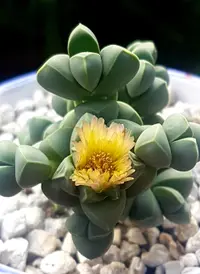
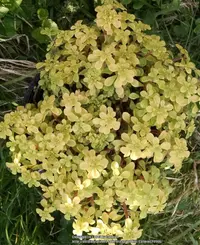
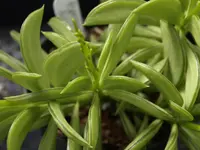
Japanese woodland stonecrop, Sedum makinoi 'Ogon', is a low-growing, mat-forming succulent groundcover valued for its bright golden to chartreuse foliage. The small, rounded leaves create a dense carpet that spreads gradually and can soften edges, fill gaps, or cascade gently over containers and walls.

It originates from shaded, woodland environments in Japan, which explains its preference for cooler conditions and protection from harsh afternoon sun. The plant is generally easy to grow, provided it has well-drained soil and is not overwatered.

Its compact growth, ability to tolerate some shade, and modest care needs make it suitable for rock gardens, mixed containers, and small spaces. Gardeners often find it straightforward to care for Japanese Woodland Stonecrop in mild climates.

Main Plant Requirements

Care Difficulty

Easy Care

Light Preference

Partial Sun

Water Requirements

Moderate Water

Temperature Preference

Warm Climate

Hardiness Zone

7–9

Soil Texture

Sandy, Loamy, Rocky

Soil pH

Acidic (5.5–6.5), Slightly acidic (6.5–7.0)

Soil Drainage

Well-drained

Fertilization

Minimal (feed rarely)

Get Personalized Care Plan

Scan your plant to receive care tips personalized for your specific plant

Available on iOS and Android

How to Care for the Japanese Woodland Stonecrop

This low-growing sedum thrives in bright conditions but needs some protection from intense midday sun.

  • Provide 4–6 hours of morning sun or bright, filtered light; light afternoon shade helps preserve the golden foliage of Japanese Woodland Stonecrop.
  • In hot climates, avoid harsh sun from 12–4 p.m. to reduce leaf scorch and drying of shallow surface roots.
  • In shade heavier than 3–4 hours of light, stems may stretch, and foliage loses its yellow tone, indicating a need for more light.

This succulent groundcover prefers infrequent, light watering and hates sitting in soggy soil.

  • Water only when the top 2–4 cm of soil feels completely dry, then moisten the root zone without flooding the area.
  • In spring and summer, expect more frequent watering during hot, dry spells; in fall and winter, reduce watering sharply, especially in cool, rainy climates.
  • Watch for yellow, mushy leaves and a sour smell as signs of overwatering, and shriveled, crisp foliage as a sign Sedum makinoi 'Ogon' is too dry.

This sedum is fairly cold hardy and tolerates a wide temperature range when established in the ground.

  • Ideal growing temperatures are around 60–75°F (16–24°C) during the active season, with good air movement to prevent heat stress.
  • Mature plants often survive down to about 0–10°F (-18 to -12°C) with mulch or snow cover, though foliage may die back in severe winters.
  • In hot spells above 90°F (32°C), provide light afternoon shade and ensure soil drains quickly to limit root stress and heat damage.

This succulent groundcover tolerates typical indoor humidity and does not require special humidification.

  • Performs well in 30–50% humidity, similar to most heated or air-conditioned homes.
  • Handles dry air from heating vents but benefits from being placed away from direct hot airflow.
  • Mild humidity stress shows as slightly shriveled, soft leaves; simply adjust watering rather than adding humidity.

Sedum makinoi 'Ogon' needs sharply drained, mineral-rich soil to prevent root rot.

  • Use a gritty mix such as 50–60% cactus/succulent mix with 40–50% extra mineral material like pumice, coarse sand, or small gravel.
  • Aim for a loose, crumbly structure that does not clump when squeezed, to keep air around the fine roots.
  • Slightly acidic to neutral pH around 6.0–7.0 suits this sedum and supports nutrient uptake without extra amendments.
  • Avoid heavy clay, peat-heavy bags, or any mix that stays wet longer than 2–3 days after thorough watering.

This species is very suitable for container growing, including shallow dishes and troughs.

  • Choose a wide, shallow pot that matches its mat-forming spread so water does not pool in the center.
  • Use unglazed clay if possible, as it dries faster and helps prevent chronic moisture around the roots.
  • Elevate the container slightly on feet or spacers so drainage holes stay clear and runoff can exit quickly.

Sedum makinoi 'Ogon' grows well in lean soils and needs only light feeding in containers or poor ground.

  • Use a balanced, dilute liquid fertilizer (around 10-10-10), mixed at 1/4–1/2 strength for potted plants.
  • Feed once in late spring and again mid-summer during active growth; skip feeding in rich garden beds.
  • Avoid high-nitrogen products that cause soft, floppy growth and reduce drought tolerance.
  • Stop fertilizing in fall and winter to allow natural rest and prevent weak, etiolated shoots.

Pruning is minimal but useful to keep Sedum makinoi 'Ogon' dense, healthy, and within bounds.

  • Best time is early spring, removing winter-damaged, dead, or mushy stems back to firm tissue.
  • Lightly trim long, leggy runners to encourage compact, ground-hugging growth and fresh foliage color.
  • Pinch or shear after flowering if stems look tired, which promotes new shoots and a neater mat.
  • Use clean, sharp scissors or pruning snips; avoid cutting into very woody crown sections.

This low, spreading sedum is usually transplanted or divided rather than frequently repotted.

  • Transplant in spring or early fall when temperatures are mild and soil is workable.
  • Look for dense mats lifting from the soil, crowded patches, or stunted areas as signs it benefits from lifting and replanting.
  • For containers, repot every 2–3 years when roots circle the pot or mix becomes compacted.
  • Lift clumps gently, tease apart roots by hand, replant shallowly in gritty, free-draining soil, and water lightly to reduce stress.

Sedum makinoi 'Ogon' is commonly propagated to expand groundcover or refresh older plantings.

  • Take short stem cuttings in late spring or summer, removing lower leaves and laying them on gritty, barely moist mix.
  • Divide established clumps in spring, replanting firm, healthy sections with intact roots at the same depth.
  • Leaf pieces can root on the soil surface under bright, indirect light and good airflow.
  • Keep rooting media slightly dry and warm; avoid overwatering to prevent rot while new roots form.

Japanese Woodland Stonecrop is moderately cold hardy and usually needs little winter care in mild to cool climates.

  • In USDA zones roughly 6–9, it overwinters outdoors if soil drains well and does not stay waterlogged.
  • Apply a thin, gritty mulch around but not over the crown to buffer freeze–thaw cycles.
  • Reduce watering sharply for outdoor and indoor containers so roots stay barely moist, not saturated.
  • In colder zones or exposed pots, move containers to a sheltered, frost-free or slightly protected spot.

Care Tips

Rooting Stem Mats

When stems become leggy or bare in the center, pin outer, leafy stems down onto fresh gritty substrate so their nodes can root and gradually thicken the groundcover again.

Controlled Container Spreading

In pots, edge the soil surface with a 1–2 cm lip of coarse gravel or rock to gently limit outward spread while still allowing good drainage and air flow around the stems.

Summer Heat Protection

In very hot spells, place shallow light-colored stones or pavers around the planting to reduce soil surface heat and protect the shallow roots from baking.

Low-Grow Ground Support

On slopes or raised beds, interplant with low, open-rooted groundcovers or place small rocks between patches to anchor the shallow root system and reduce erosion under the foliage.

Quick Patch Renewal

For aging or patchy clumps, lift and divide the healthiest outer pieces in early spring, replant them in fresh, well-drained mix, and compost the sparse, woody center to keep growing Japanese Woodland Stonecrop dense and vibrant.

Common Pests and Diseases

Mealybugs

This pest appears as small white cottony clusters tucked in leaf joints and along stems, often causing yellowing and weak growth.

Solution

Isolate the plant, then dab visible insects with cotton swabs dipped in 70% isopropyl alcohol and gently rinse the foliage; repeat weekly until no new insects appear and consider using an insecticidal soap on outdoor plantings if infestations persist.

Aphids

These insects cluster on tender new growth and underside of leaves, sucking sap and sometimes causing puckered, distorted foliage and sticky honeydew.

Solution

Spray the foliage with a strong, targeted stream of water to dislodge colonies, then treat remaining insects with insecticidal soap or a ready-to-use neem oil product, repeating every 5–7 days until new growth appears clean.

Spider mites

This pest thrives in hot, dry conditions and causes fine speckling, dulling of the golden leaves, and sometimes very fine webbing between stems and foliage.

Solution

Increase humidity around the plant, hose down or shower the foliage to physically remove mites, and use a miticidal soap or horticultural oil on both upper and lower leaf surfaces, repeating treatments as label-directed while improving airflow to prevent recurrence.

Leaf spot

This disease causes scattered brown to black spots on leaves, sometimes with yellow halos, and can lead to premature leaf drop in dense groundcover patches.

Solution

Remove and discard affected leaves, thin or divide crowded mats to improve air circulation, avoid overhead watering, and if the problem persists, apply a labeled copper or chlorothalonil-based fungicide according to directions during extended wet periods.

Crown rot

Symptoms include browning and collapse of the central stems, with soft, mushy tissue at the crown where wet soil and poor drainage favor fungal infection.

Solution

Remove and discard affected clumps, improve drainage by amending soil with coarse grit or planting on a slightly raised area, reduce watering frequency so the soil dries between waterings, and replant only healthy, firm cuttings in well-drained substrate to maintain long-term Sedum makinoi 'Ogon' plant care.

Interesting Facts

Golden foliage adaptation

The bright yellow leaves result from reduced chlorophyll in the foliage, which allows the underlying yellow pigments (carotenoids) to dominate and gives the plant its distinctive golden mat appearance in good light.

Low-growing mat habit

This cultivar naturally forms a very low, spreading carpet only a few centimeters tall, with slender, trailing stems that root at the nodes and help it quickly cover shallow soil pockets and crevices.

Japanese woodland origin

The species Sedum makinoi is native to shaded, moist woodland and rocky habitats in Japan, and this golden-leaved selection was developed from that woodland heritage, so it tolerates more shade and moisture than many sun-loving sedums.

FAQs about Japanese Woodland Stonecrop

This species forms a low, creeping mat that slowly spreads by stems rooting at the nodes. It is usually easy to contain, but in loose, moist soil it can carpet open areas over several seasons.

Grow Healthy Plants with Botan Care

Keep your plants happy and healthy with plant identification, disease detection, and easy care guidance.

Botan plant care app — identify plants on mobile

Explore More Plants