Aloe Care (Aloe 'Christmas Carol')

About Aloe

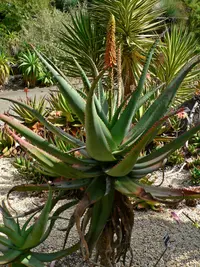
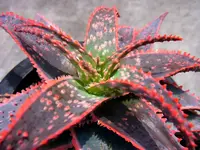
Aloe 'Christmas Carol' is a compact succulent, grown mainly as an ornamental houseplant. It forms a tight rosette of stiff, triangular leaves with striking red, green, and yellow markings. This cultivar was selected from Aloe hybrids, so it does not occur naturally in the wild, but it shares ancestry with species from arid regions of Africa and the Arabian Peninsula.

Its slow, clumping growth habit and modest size suit windowsills and small indoor spaces. The plant stores water in its leaves, which makes it forgiving of occasional missed watering and generally easy to keep alive. Bright light, low to moderate water, and sharply draining soil are the main conditions to understand when learning how to care for Aloe.

Main Plant Requirements

Care Difficulty

Easy Care

Light Preference

Partial Sun

Water Requirements

Low Water

Temperature Preference

Tropical / Frost Sensitive

Hardiness Zone

10–11

Soil Texture

Sandy, Loamy, Rocky

Soil pH

Slightly acidic (6.5–7.0), Neutral (7.0)

Soil Drainage

Well-drained

Fertilization

Minimal (feed rarely)

Get Personalized Care Plan

Scan your plant to receive care tips personalized for your specific plant

Available on iOS and Android

How to Care for the Aloe

This compact succulent prefers bright light with some protection from intense midday sun.

  • Provide 4–6 hours of direct morning sun or late-afternoon sun, plus bright indirect light for the rest of the day.
  • Tolerates very light partial shade, but growth becomes lanky and leaf color dull if kept below 3 hours of direct light.
  • In hot, dry regions, give filtered light or light shade during harsh afternoon sun to prevent leaf scorch and bleaching, especially in summer.

Watering should mimic dry, episodic desert rain rather than frequent moisture.

  • Allow the top 3–5 cm of soil to dry fully before watering, then soak thoroughly so excess drains away from the roots.
  • During active growth in spring and summer, this Aloe 'Christmas Carol' may need watering every 10–21 days, guided by soil dryness rather than the calendar.
  • In fall and winter, extend intervals once the mix dries; watch for wrinkling leaves as a sign of thirst and soft, yellowing leaves as a sign of overwatering.

This succulent grows best in warm, dry conditions with good protection from frost.

  • Aim for 65–80°F (18–27°C) for steady growth, with cooler nights down to about 55°F (13°C) acceptable.
  • Protect from temperatures below 40°F (4°C); brief dips to 32°F (0°C) may scar tissues and repeated frost can kill the plant.
  • In hot climates above 95°F (35°C), increase airflow and provide light shade during peak afternoon heat to limit stress and sunburn.

This compact succulent tolerates typical indoor humidity and prefers relatively dry air.

  • Target 30–50% relative humidity, matching average indoor conditions in most heated or air-conditioned homes.
  • Dry air is usually tolerated, but prolonged humidity above 60% around foliage can promote rot and fungal spotting.
  • If air is very dry and leaf tips shrivel, place the pot on a pebble tray with water below the pot base, not touching it.

Aloe 'Christmas Carol' needs a very fast-draining, mineral-rich mix to prevent root and crown rot.

  • Use a gritty mix such as 50–70% inorganic material (pumice, perlite, coarse sand, or small gravel) blended with 30–50% cactus potting mix.
  • Aim for slightly acidic to neutral pH around 6.0–7.0, which supports nutrient uptake without encouraging rot organisms.
  • Ensure the mix feels loose and crumbly; large mineral particles create air gaps that keep roots oxygenated after watering.
  • Avoid dense peat-heavy or clay-based mixes that stay wet for more than 2–3 days, as this quickly damages succulent roots.

This species is well suited to container growing due to its compact, slow-growing rosette habit.

  • Choose a pot only 2–4 cm wider than the rosette to prevent excess unused mix from staying wet around the roots.
  • Select unglazed terracotta if extra evaporation is needed, as it dries the mix faster and reduces rot risk compared with plastic.
  • Use a low, stable pot shape so the plant’s offsetting rosettes do not tip the container as they spread outward.

This compact succulent needs modest feeding to maintain color and healthy growth in containers.

  • Use a balanced liquid cactus or succulent fertilizer (around 10-10-10) diluted to 25–50% strength.
  • Feed Aloe 'Christmas Carol' every 4–6 weeks in spring and summer only.
  • Skip fertilizer in fall and winter when growth slows and light is lower.
  • Apply to slightly moist soil, then lightly water through to avoid salt buildup in the potting mix.

Pruning needs are light and focus on hygiene and maintaining a compact rosette.

  • Best time is late spring or summer, when the plant is actively growing.
  • Remove dead, yellowing, or damaged leaves at the base using clean, sharp scissors or pruners.
  • Trim crowded or crossing outer leaves to improve airflow and keep a symmetrical rosette shape.
  • Snip spent flower stalks at the base after blooming to redirect energy to foliage and new offsets.

This slow-growing succulent prefers slightly snug pots and infrequent repotting.

  • Repot every 2–3 years or when roots circle the pot, drainage slows, or growth declines.
  • Plan repotting for spring, using a dry, fast-draining cactus mix and a pot just 2–3 cm wider.
  • Gently loosen the root ball, remove dead roots, and avoid breaking healthy, thick roots.
  • Set the crown at the same depth, keep soil dry for 3–5 days afterward, then resume light watering.

Propagation of Aloe 'Christmas Carol' is most reliable using offsets produced around the base.

  • Divide offsets in late spring or early summer when they reach at least 5–7 cm tall.
  • Unpot the plant, gently separate pups with their own roots using a clean knife if needed.
  • Let cut or broken surfaces dry and callus for 1–2 days in shade before planting.
  • Set pups in barely moist cactus mix, provide bright indirect light, and water sparingly until new growth appears.

This aloe is frost-sensitive and needs protection from sustained cold and excess moisture in winter.

  • Move containers indoors before temperatures drop below 40°F, giving bright, cool, dry conditions.
  • Keep soil almost dry, watering lightly only every 3–4 weeks to prevent root rot.
  • Avoid cold drafts, freezing windowpanes, and direct contact of leaves with very cold glass surfaces.
  • In mild climates, grow in pots rather than in-ground so plants can be relocated during cold snaps.

Care Tips

Rotate for symmetry

Turn the pot 90° every 2–3 weeks so the rosette develops evenly and does not lean or twist toward the light source.

Use top-dressing grit

Apply a 0.5–1 cm layer of decorative gravel or pumice on the soil surface to keep leaf bases dry, reduce fungus gnat problems, and highlight the plant’s rosette form.

Monitor leaf spotting

Inspect the lower leaves monthly for soft, translucent spots, remove any affected tissue with a sterile blade, and improve airflow to prevent progression of rot.

Seasonal light adjustment

Move the plant slightly farther from south- or west-facing windows in mid-summer to avoid scorching, then bring it closer again in late autumn to maintain compact growth when daylight hours shorten.

Quarantine new plants

Keep new succulents at least 2–3 weeks in a separate area, checking weekly for mealybugs or scale, before placing them near an existing collection, which is a key part of careful, long-term caring for Aloe.

Everything About Aloe

Common Pests and Diseases

Aloe mite

This pest causes distorted, lumpy, or bumpy growth, often forming clustered galls along leaf edges or at the center rosette. Symptoms include thickened, blistered tissue that may look like tumorous growths.

Solution

Remove and discard all visibly deformed leaves and rosettes, cutting well into healthy tissue and sterilizing tools between cuts. Isolate the plant, avoid overhead watering that spreads mites, and if new galls appear, consider discarding the entire plant to prevent infestation of other aloes in a collection of Aloe 'Christmas Carol' plant care enthusiasts.

Aloe scale

These insects appear as small, hard, brown or gray bumps along leaf surfaces and leaf bases, often clustered where leaves meet the stem. This pest feeds on sap, causing yellowing, weakened growth, and sticky honeydew that can attract sooty mold.

Solution

Physically remove scale with a cotton swab dipped in isopropyl alcohol, then rinse the plant with a gentle spray of water. Improve light and airflow, keep the rosette dry, and repeat spot treatments weekly until no new scale appears.

Mealybugs

These insects form white, cotton-like clusters in leaf axils, at the base of the rosette, and sometimes on roots, leading to stunted growth and sticky honeydew. This pest often hides deep in the compact rosette of Aloe 'Christmas Carol', making early detection difficult.

Solution

Isolate the plant, then dab visible mealybugs with isopropyl alcohol on a cotton swab and rinse the foliage thoroughly afterward. Allow soil to dry well, inspect weekly, and repeat alcohol spot treatments; for severe cases, unpot the plant and wash roots before repotting in fresh, fast-draining mix.

Bacterial soft rot

This disease causes leaves or the central rosette to become water-soaked, mushy, and foul-smelling, usually starting where water has collected in leaf axils or wounds. Symptoms include collapsing tissue that turns translucent and then brown.

Solution

Cut away all affected soft tissue back to firm, healthy material using sterile tools, and dust cuts with sulfur or a dry fungicidal powder if available. Keep the plant very dry, avoid water sitting in the rosette, improve airflow, and if rot has reached the crown, salvage only any remaining healthy offsets and discard the rest.

Leaf spot

This disease produces small, sunken, brown to black spots on leaves, sometimes with a yellow or pale halo, often following prolonged humidity or overhead watering. Symptoms include cosmetic damage that can expand and merge if conditions stay damp.

Solution

Remove and discard heavily spotted leaves and keep remaining foliage dry by watering only at the soil line. Increase light and airflow, avoid crowding with other succulents, and if spotting continues, use a copper-based fungicide labeled for succulents according to the product directions.

Interesting Facts

Hybrid collector origin

This cultivar is a man-made hybrid selected by American succulent breeder Kelly Griffin, known for creating compact, colorful aloes for container and indoor display rather than for landscape or medicinal use.

Stable tricolor pattern

Mature rosettes often show dark green to almost black leaf tissue with bright red margins and raised yellow to orange tubercles, and this strong contrast tends to remain stable under good light rather than fading to uniform green.

Compact, clumping habit

The plant stays naturally small, usually forming tight rosettes that slowly produce offsets at the base, which makes it suitable for long-term container growing Aloe 'Christmas Carol' indoors without frequent repotting.

FAQs about Aloe

Brown tips usually come from underwatering, very low humidity, excess fertilizer salts, or intense direct sun magnified through glass. Flush the soil, adjust watering, and give bright light without scorching midday rays for better Aloe 'Christmas Carol' care.

Grow Healthy Plants with Botan Care

Keep your plants happy and healthy with plant identification, disease detection, and easy care guidance.

Botan plant care app — identify plants on mobile

Explore More Plants