Road Kill Cactus Care (Consolea rubescens)

Also known as: Road Kill Cactus
Road Kill Cactus

About Road Kill Cactus

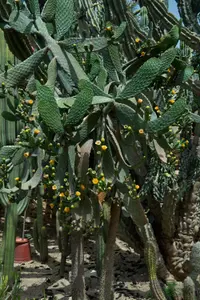
The road kill cactus, Consolea rubescens, is an upright, tree-like opuntia from the Caribbean, especially Puerto Rico and nearby islands. It forms tall, branching pads that can create a small, sparse-canopied cactus tree over time.

Its flattened pads are often glossy green, with reddish new growth and spines that become more prominent as the plant matures. In suitable conditions it can produce showy, warm-toned flowers followed by small, elongated fruits.

This species prefers strong light, very well-drained gritty soil, and infrequent watering, which makes it suitable for experienced succulent growers or patient beginners. Understanding how to care for Road Kill Cactus mainly involves avoiding excess moisture and giving it enough sun.

Main Plant Requirements

Care Difficulty

Moderate Care

Light Preference

Full Sun

Water Requirements

Low Water

Temperature Preference

Tropical / Frost Sensitive

Hardiness Zone

10–11

Soil Texture

Sandy, Loamy, Rocky

Soil pH

Slightly acidic (6.5–7.0), Neutral (7.0)

Soil Drainage

Well-drained

Fertilization

Minimal (feed rarely)

Get Personalized Care Plan

Scan your plant to receive care tips personalized for your specific plant

Available on iOS and Android

How to Care for the Road Kill Cactus

Consolea rubescens thrives in strong light similar to its native Caribbean habitat.

  • Provide 6–10 hours of direct sun daily; full sun is ideal in most outdoor climates, especially for established Road Kill Cactus clumps.
  • Allow light afternoon shade in very hot, dry regions to reduce scorch on young pads, using east or southeast exposure when possible.
  • In winter, maximize sun by avoiding shade from buildings or trees; plants in prolonged shade grow thin, lean, and may topple.

Consolea rubescens prefers infrequent, deep watering with thorough drying between soakings.

  • Water only when the top 3–5 cm of soil are completely dry, soaking the root zone and then draining away any standing water.
  • In spring and summer, expect more frequent watering during active growth; in fall and winter, reduce frequency sharply, especially in cool conditions.
  • Watch pads for signs: mushy, yellowing, or blackened tissue suggests overwatering and poor drainage, while wrinkled, shriveled pads indicate prolonged drought.

This cactus is a warmth-loving species that tolerates brief cool spells but not hard frost.

  • Aim for active growth temperatures around 70–90°F (21–32°C); short spikes up to 100°F (38°C) are usually tolerated if soil is dry and airflow is good.
  • Protect plants when temperatures approach 32°F (0°C); light frost may scar pads, and extended exposure below 28°F (-2°C) can kill tissue.
  • In mild-winter regions, outdoor plants can stay in the ground year-round; in colder climates, shift potted specimens to a frost-free, bright spot for winter.

This cactus thrives in dry air and rarely needs extra humidity attention.

  • Target 30–50% humidity, similar to most heated indoor homes or arid outdoor climates.
  • It tolerates much drier air than many houseplants, so avoid humidifiers placed nearby for long periods.
  • If pads wrinkle despite proper light and watering, suspect root or watering issues rather than humidity when caring for Road Kill Cactus.

Consolea rubescens prefers a very fast-draining, mineral-rich substrate that mimics rocky, arid habitats.

  • Use a gritty cactus mix built from roughly 50–60% inorganic material such as coarse sand, pumice, or perlite and 40–50% lean, low-organic substrate.
  • Aim for slightly acidic to neutral pH around 6.0–7.0, which suits most commercial cactus and succulent mixes without major adjustment.
  • Improve aeration by incorporating large-grain pumice or 3–6 mm gravel so water moves quickly through and roots sit in air pockets, not soggy fines.
  • Avoid peat-heavy, compacted, or moisture-retentive mixes that stay wet for more than 1–2 days, as this greatly increases the risk of root rot.

This species is suitable for container growing, especially in regions too cold for it outdoors year-round.

  • Choose a heavy, wide-based pot such as unglazed clay or concrete to counter the top-heavy, tree-like form as it gains height.
  • Select a container slightly deeper than a standard cactus pot to accommodate the vertical root system and prevent rocking in wind.
  • Ensure drainage holes are large and unobstructed, and elevate the pot slightly so excess water clears quickly instead of pooling under the base.

Consolea rubescens benefits from light, controlled feeding to support steady pad and stem growth.

  • Use a balanced cactus fertilizer (diluted to 25–50% strength) or a low-nitrogen slow-release blend in well-draining soil.
  • Feed every 4–6 weeks during the warm growing season when the plant is actively producing new pads.
  • Avoid fertilizing in winter dormancy; withhold feeding once growth slows and daylight shortens.
  • For caring for Road Kill Cactus in pots, flush the soil with plain water 1–2 times per season to reduce salt buildup.

Consolea rubescens accepts light structural pruning mainly to manage size and remove damaged growth.

  • Prune in late spring or early summer once active growth is visible and the risk of cold snaps has passed.
  • Remove dead, diseased, storm-damaged, or crossing pads and stems to improve airflow and reduce rot risk.
  • Use clean, sharp pruners or a sterilized knife, cutting at the pad joint and allowing wounds to dry and callus.
  • Moderate shaping helps contain height and width, producing a tidier outline without removing large sections at once.

Container-grown Consolea rubescens needs infrequent but careful repotting or transplanting to prevent root stress.

  • Plan to move it to a slightly larger pot every 3–4 years or when roots circle the container and growth slows.
  • Repot in late spring, using a gritty cactus mix and a heavy, stable pot to support the tall, top-heavy stems.
  • Lift the plant with padded gloves, loosen outer roots gently, and minimize disturbance to the central root ball.
  • Water lightly after repotting, then allow the mix to dry partially; keep out of intense sun for 7–10 days to reduce shock.

Consolea rubescens is commonly propagated from stem or pad cuttings under warm, bright, dry conditions.

  • Take healthy pad or stem sections in late spring or early summer using a clean, sharp knife or pruners.
  • Let cut surfaces dry and callus for 5–10 days in a shaded, airy place before planting.
  • Set cuttings upright in a gritty, barely moist cactus mix and keep at 70–80°F in bright, indirect light.
  • Seed propagation is possible but slower; sow fresh seed shallowly in warm, evenly slightly moist, fast-draining medium.

Consolea rubescens is frost-sensitive and needs protection in climates with cold or freezing winters.

  • Maintain temperatures above 40°F; prolonged exposure below this can scar or kill pads and stems.
  • For in-ground plants in mild regions, apply a 5–8 cm layer of dry gravelly mulch around the root zone.
  • Wrap tall stems with breathable frost cloth during cold snaps, avoiding plastic contact with tissue.
  • Move container plants indoors to a bright, cool, dry space and keep soil almost completely dry until spring.

Care Tips

Staking Young Pads

Install sturdy stakes or a cactus frame while the plant is still under 60–80 cm tall so the trunk develops straight and pads are supported against wind or accidental bumps.

Pad Thinning Strategy

Periodically remove crowded or downward-facing pads with a clean, sharp blade to reduce top-heaviness and improve airflow, which helps prevent rot at the joints.

Controlled Container Sizing

Use a heavy, wide pot rather than a tall narrow one and up-pot only 1–2 in at a time to keep the plant stable and avoid excessive, weak top growth.

Cold-Rain Protection

In regions with cool, wet winters, move container plants under a roof overhang or use a simple lean-to cover so the pads stay dry when temperatures drop near 40–45°F.

Safe Handling Setup

Before any repotting or pruning, prepare long-handled tongs, folded newspaper pads, or thick foam pieces so you can grip and move segments without damaging the plant or your hands while caring for Road Kill Cactus.

Common Pests and Diseases

Scale insects

This pest attaches to pads and stems as small brown or gray bumps, sucking sap and causing yellowing, stunted growth, and weak, thin pads. Heavy infestations can leave sticky honeydew that attracts sooty mold.

Solution

Remove heavily infested pads and discard them, then gently scrub remaining pads with a soft brush dipped in a mix of water and a small amount of insecticidal soap or diluted isopropyl alcohol. Improve light and airflow, and repeat spot treatments weekly until no new insects appear.

Cochineal mealybugs

These insects appear as cottony white clusters on pads, often exuding red staining fluid when crushed, and they weaken the cactus by feeding on its sap. Symptoms include pale pads and localized yellow patches around feeding sites.

Solution

Spray the affected pads with a strong stream of water to dislodge colonies, then treat remaining clusters with cotton swabs dipped in 70% isopropyl alcohol. If needed, follow with a light application of insecticidal soap or horticultural oil, applied in the evening to avoid sunburn on the pads.

Opuntia cactus moth

This pest is a caterpillar that bores into pads, leaving small entry holes, frass (chewed material), and collapsing, rotting segments. Symptoms include sudden pad drooping and internal decay from larval feeding.

Solution

Cut off and dispose of any pads showing boring holes or internal tunneling, sealing them in a bag so larvae cannot escape. Inspect the plant regularly, remove egg masses on pads, and avoid moving infested plant material to new areas to limit spread when growing Road Kill Cactus outdoors.

Bacterial soft rot

This disease causes water-soaked, mushy areas on pads, often with a foul smell and rapid tissue collapse. Symptoms include dark, sunken wet spots that spread quickly in warm, humid, or wet conditions.

Solution

Cut away all affected tissue well into healthy, firm pad tissue using a sterile knife, and discard the infected parts. Keep the plant dry, avoid overhead watering, improve airflow, and sterilize tools between cuts to reduce the chance of spreading bacteria.

Fungal pad spots

This disease produces small circular or irregular dark spots on pads that may develop pale centers and a dry, corky texture. Symptoms include cosmetic scarring and, in severe cases, localized pad weakening.

Solution

Remove and dispose of badly spotted pads, and keep the plant in a bright, airy location where pads dry quickly after any moisture. Avoid wetting pads during watering, space plants for good airflow, and, for recurrent issues outdoors, apply a labeled copper-based fungicide according to Consolea rubescens care instructions.

Interesting Facts

Flattened tree-like pads

This species forms a small tree with upright, branching stems that gradually develop into flattened, paddle-like segments, giving it a distinctive candelabra silhouette compared with typical low-growing opuntioid cacti.

Red-tinged new growth

Young cladodes and developing fruits often show a noticeable reddish tint caused by pigments that help protect actively growing tissues from intense sunlight.

Native Caribbean coastal cactus

It is naturally found in coastal scrub and dry forest habitats of the Caribbean, where it tolerates high light, heat, and salty winds better than many other cacti of similar form.

Botan icon

Did you know?

This species can eventually reach several meters in height and form thicket-like stands in favorable coastal habitats, functioning ecologically more like a small, spiny tree than a typical ground-hugging cactus.

FAQs about Road Kill Cactus

Lack of flowers usually comes from insufficient light, a pot that is too small, or a plant that is still immature. Consistent warmth, strong sun, and avoiding heavy pruning of older pads help trigger flowering on mature specimens.

Grow Healthy Plants with Botan Care

Keep your plants happy and healthy with plant identification, disease detection, and easy care guidance.

Botan plant care app — identify plants on mobile

Explore More Plants