Kohleria allenii Care

Kohleria allenii

About Kohleria allenii

Kohleria allenii is a compact, tuberous perennial from the cloud forests of Central and South America, belonging to the African violet family, Gesneriaceae. It is often grown as a decorative indoor plant for its tubular, brightly colored flowers and softly textured foliage.

The plant typically forms low clumps from scaly rhizomes, producing repeated blooms under stable indoor conditions. Its main appeal is long flowering potential when light, temperature, and moisture remain consistent.

This species suits growers who can provide bright, indirect light, evenly moist but not waterlogged substrate, and a loose, well-drained potting mix. Understanding how to care for Kohleria allenii helps keep it vigorous and flowering over many seasons.

Main Plant Requirements

Care Difficulty

Moderate Care

Light Preference

Bright Indirect Light

Water Requirements

Keep Soil Moist

Temperature Preference

Tropical / Frost Sensitive

Hardiness Zone

11–12

Soil Texture

Loamy, Peaty, Organic-rich

Soil pH

Acidic (5.5–6.5), Slightly acidic (6.5–7.0)

Soil Drainage

Moist but well-drained

Fertilization

Light (every 4–6 weeks)

Get Personalized Care Plan

Scan your plant to receive care tips personalized for your specific plant

Available on iOS and Android

How to Care for the Kohleria allenii

This plant prefers bright, gentle light similar to a lightly shaded forest edge.

  • Provide 3–5 hours of soft morning sun with bright, filtered light the rest of the day; avoid harsh midday and late-afternoon sun that can scorch leaves.
  • Grow Kohleria allenii in dappled or bright shade outdoors, or behind a sheer curtain indoors, to prevent leaf burn and faded flower color.
  • In winter, shorter days and low sun angle reduce light intensity, so move plants slightly closer to windows or brighter positions while still avoiding direct midday rays.

This species prefers consistently lightly moist soil without staying saturated.

  • Water when the top 2–3 cm of soil feels dry, using enough water so it drains freely from the base and never letting the root zone stand in water.
  • Use a loose, fast-draining mix; soggy soil and a sour smell indicate overwatering, while limp, drooping foliage and dry, pulling-away soil signal underwatering.
  • During active growth, moisture demand is higher; reduce watering in cooler months when growth slows, but do not allow the root system to dry out completely.

This plant thrives in warm, stable conditions typical of frost-free subtropical to tropical climates.

  • Aim for 65–80°F (18–27°C) for steady growth; brief dips to 60°F (16°C) are usually tolerated but slow development.
  • Protect from cold; growth declines below about 55°F (13°C), and frost or prolonged exposure under 40°F (4°C) can cause severe leaf damage or death.
  • In hot spells above 85°F (29°C), provide shade and good air movement to limit heat stress, leaf scorch, and excessive wilting, especially in full-sun or reflective locations.

This species benefits from moderately high humidity but copes briefly with typical indoor levels.

  • Aim for 50–70% humidity for Kohleria allenii to support steady growth and flowering.
  • Dry air causes crisp leaf edges, bud drop, and dull, slow growth, especially near heating or AC vents.
  • Increase humidity with a pebble tray under the pot, grouping plants, or a small room humidifier rather than misting leaves.

This plant prefers a loose, airy, organic-rich mix that drains quickly yet holds some moisture.

  • Use a base of peat or coco coir with added perlite and fine orchid bark to create a fibrous, open texture.
  • Ensure water drains through in seconds and the pot never sits in runoff to prevent rhizome and root rot.
  • A slightly acidic pH of 6.0–6.5 supports nutrient uptake and reduces the risk of micronutrient deficiencies.
  • Avoid dense garden soil, heavy clay, or peat-only mixes that compact and restrict aeration around the roots.

This species is well suited to container growing due to its compact rhizomatous habit.

  • Choose a shallow but wide pot to give rhizomes horizontal space without leaving a deep, wet soil column.
  • Use a relatively lightweight container so the plant can be moved easily to adjust light and humidity conditions.
  • If the plant becomes top-heavy in bloom, place the pot in a heavier cachepot or on a tray with edging for stability.

During active growth, Kohleria allenii responds well to light, consistent feeding in container culture.

  • Use a balanced liquid fertilizer (e.g., 10-10-10 or 20-20-20) diluted to 25–50% strength for indoor pots.
  • Feed every 2–3 weeks in spring and summer when plants are actively growing and flowering.
  • Stop or reduce feeding to once every 6–8 weeks in fall and winter as growth slows or rhizomes rest.
  • Avoid heavy compost or strong slow-release products in small pots, which can cause salt buildup and root stress.

Pruning supports compact shape and good flowering for Kohleria allenii grown indoors or in containers.

  • Best time is late winter to early spring, just before strong new growth begins.
  • Remove dead, damaged, or weak stems with clean, sharp scissors or pruning shears.
  • Pinch or trim soft tips of long shoots to encourage branching and more flower-bearing stems.
  • Thin very crowded growth to improve air circulation and reduce risk of fungal problems.

Container-grown Kohleria allenii benefits from periodic repotting to refresh the rhizome zone and growing medium.

  • Check for roots circling the pot, water draining too quickly, or slowed growth as cues to repot.
  • Plan repotting for late winter or early spring, just as new shoots emerge from rhizomes.
  • Repot every 1–2 years into a slightly larger pot with fresh, airy mix to prevent waterlogging.
  • Handle rhizomes gently, keep them at similar depth, water lightly after repotting, and shade from strong sun for a few days to limit stress.

Kohleria allenii is commonly multiplied from rhizomes and stem cuttings under warm, humid conditions.

  • In late winter to spring, divide plump rhizomes, ensuring each piece has at least 1–2 buds, then plant shallowly.
  • Take 7–10 cm non-flowering stem cuttings in spring or early summer and remove lower leaves.
  • Root cuttings in moist, well-drained mix at 70–75°F with bright, indirect light and high humidity.
  • Seeds are possible but slower; sow on the surface of fine mix, keep consistently moist, and avoid direct hot sun.

Kohleria allenii is frost-sensitive and needs protection in climates with cold winters.

  • In USDA zones colder than 10, grow in containers and move indoors before temperatures drop below 50°F.
  • Allow top growth to die back naturally, then keep rhizomes barely moist, not wet, during dormancy.
  • Store indoor pots in a cool (55–65°F), bright or lightly shaded spot away from cold drafts.

Care Tips

Rhizome rotation

Every 1–2 years, gently unpot and rotate or reposition the scaly rhizomes so new growth points are spaced evenly, which keeps the plant compact and encourages flowering from multiple directions rather than just one side of the pot.

Managed rest period

After flowering slows in late fall, gradually reduce watering and allow top growth to decline, then store the pot slightly drier and cooler for 8–10 weeks to mimic a dry-season rest and trigger stronger regrowth and bud formation in the next cycle.

Pinching for branching

When new shoots reach 8–10 cm, pinch out just the soft tip between fingers or with clean scissors to stimulate side shoots, creating a fuller, more floriferous plant over the season.

Strategic staking

Use thin, discreet stakes or hoop supports early in the growth cycle and tie stems loosely with soft ties to keep tall, brittle shoots upright and prevent breakage when flowers become heavy.

Preventive mite control

Inspect leaf undersides weekly with a hand lens and, at the first sign of fine stippling or webbing, rinse foliage with lukewarm water and apply a horticultural soap or oil labeled for indoor use, since spider mites are a frequent issue when growing Kohleria allenii in dry indoor air.

Common Pests and Diseases

Cyclamen mites

This pest often hides in young folded leaves and shoot tips, causing distorted, thickened, or stunted new growth and failure to flower well.

Solution

Isolate the plant, remove and discard badly deformed growth, then increase humidity slightly while improving air movement; treat the foliage and shoot tips with a miticide labeled for cyclamen mites or use repeated applications of insecticidal soap, keeping sprays directed into the crown and new leaf folds.

Mealybugs

These insects form white cottony clusters in leaf axils, on rhizomes at soil level, and on flower stalks, leading to yellowing leaves and sticky honeydew.

Solution

Quarantine the plant, dab visible mealybugs with cotton swabs dipped in 70% isopropyl alcohol, then rinse the plant with lukewarm water and follow up with several applications of insecticidal soap or a systemic insecticide suitable for indoor ornamentals, monitoring closely for re‑infestation as part of general Kohleria allenii care.

Botrytis blight

This disease produces soft brown spots on leaves, collapsed flowers, and a gray fuzzy mold on petals and damaged tissue, especially in cool, damp conditions.

Solution

Remove all affected leaves and flowers, improve air circulation around the plant, keep water off the foliage, and avoid overcrowding; in persistent cases, apply a fungicide labeled for Botrytis on ornamentals and adjust watering so the surface of the mix dries slightly between waterings.

Powdery mildew

This disease shows up as a white or gray powdery coating on leaves and stems, which can cause leaf curling, dull foliage, and reduced flowering.

Solution

Increase airflow, avoid overhead watering, and trim the most affected leaves; for ongoing problems, use a labeled fungicide or a potassium bicarbonate or sulfur-based product, applying to both upper and lower leaf surfaces according to package directions.

Rhizoctonia stem rot

Symptoms include brown, sunken lesions at the soil line, sudden wilting, and collapse of stems even though the potting mix is not waterlogged.

Solution

Discard severely affected plants, as the fungus persists in soil; for mild cases, cut and re-root healthy stem tips in fresh sterile mix, scrub and disinfect pots and tools, and use a well-drained, soilless medium while keeping the lower stems slightly drier and avoiding splashing water from pot surface onto stems.

Interesting Facts

Native Panamanian endemic

This species is known only from Panama, where it grows naturally in very localized, humid forest habitats, making it a narrow endemic with a restricted native range.

Distinctive velvety foliage

The leaves are covered with fine hairs that create a velvety texture and soft sheen, an adaptation that helps reduce water loss and diffuse strong light in its native understory environment.

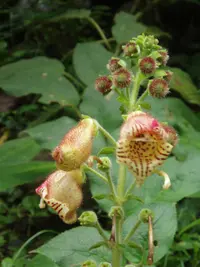
Spotted tubular flowers

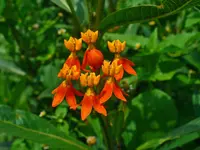
Its tubular orange to reddish flowers have contrasting internal spotting that acts as a visual guide for pollinators, a common trait in hummingbird-associated members of the Gesneriaceae family.

FAQs about Kohleria allenii

Lack of blooms often relates to insufficient light, depleted nutrients, or an exhausted rhizome. Provide a balanced fertilizer during active growth, maintain a short rest period in cooler months, and avoid heavy pruning of new growth tips.

Grow Healthy Plants with Botan Care

Keep your plants happy and healthy with plant identification, disease detection, and easy care guidance.

Botan plant care app — identify plants on mobile

Explore More Plants