


Secure rosette base
Stabilize the plant by gently firming the mix around the stem base and, if top-heavy when flowering, use small decorative stones on the surface to weight the pot so the rosette does not tip over.

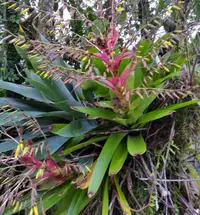
Vriesea philippocoburgii is a tropical bromeliad grown mainly as an ornamental foliage plant. It forms a rosette of broad, often banded leaves with a central tank that can hold water.
This species is native to Brazilian rainforests, where it usually grows as an epiphyte on trees rather than in soil. Its growth is generally slow to moderate, and it stays compact enough for indoor displays.
The plant is considered manageable for most home growers because it tolerates typical indoor humidity and does not need constant repotting. To care for Vriesea philippocoburgii, provide bright filtered light, moderate warmth, and a free-draining, airy substrate or epiphyte mount.

Care Difficulty
Moderate Care

Light Preference
Bright Indirect Light

Water Requirements
Moderate Water

Temperature Preference
Tropical / Frost Sensitive

Hardiness Zone
11–12

Soil Texture
Peaty, Organic-rich, Loamy

Soil pH
Acidic (5.5–6.5)

Soil Drainage
Moist but well-drained

Fertilization
Light (every 4–6 weeks)
Scan your plant to receive care tips personalized for your specific plant
Available on iOS and Android
This bromeliad prefers bright, filtered light similar to a bright forest understory.
Watering focuses on both the central tank and the potting mix, without keeping either stagnant or bone dry.
This species prefers warm, frost-free conditions with only mild seasonal variation.
This bromeliad prefers consistently moist air and reacts quickly to dry indoor conditions.
This species grows best in a loose, airy mix that drains quickly yet holds moderate moisture.
This species is well suited to container cultivation for both indoor and sheltered outdoor locations.
This bromeliad needs light feeding to support foliage and bloom without stressing its roots.
Pruning is minimal and focuses on hygiene and maintaining a neat rosette form.
Repotting is infrequent and mainly used to refresh the mix or manage offsets.
Propagation is usually done by offsets, with seed mainly used by specialists or breeders.
This tropical bromeliad is frost sensitive and needs mild, stable conditions in winter.

Plant Health Check
Not sure what's wrong with your plant? Check your plant's health inside the app.
This species is native to Brazil’s Atlantic rainforest, where it usually grows as an epiphyte on tree trunks and branches rather than in soil, relying on its leaf rosette to capture water and nutrients from rainfall and debris.
It produces a tall, upright flower spike with green to yellowish bracts marked by dark mottling or banding, a pattern that helps distinguish it from many other Vriesea species in the wild and in collections.
In its natural habitat it is typically found in lower to mid canopy positions receiving filtered light, which has shaped its preference for bright, indirect light under cultivation and makes Vriesea philippocoburgii indoor care relatively straightforward in well-lit rooms.
The colorful bracts often last 8–12 weeks, while the true flowers between them are short-lived, sometimes only days. Good humidity, stable warmth, and avoiding direct hot sun help the inflorescence keep its color longer.
Keep your plants happy and healthy with plant identification, disease detection, and easy care guidance.

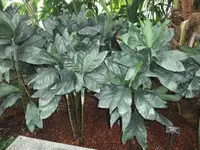
Chamaedorea metallica
Chamaedorea metallica

Golden Pothos
Epipremnum aureum 'Marble Queen'
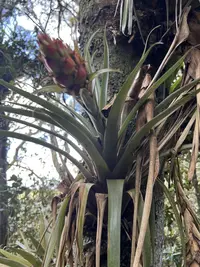
Tillandsia turneri
Tillandsia turneri
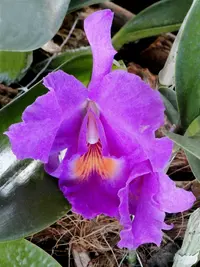
Guarianthe bowringiana
Guarianthe bowringiana
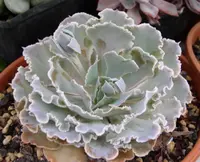
Mexican hens and chicks
Echeveria shaviana
Peperomia
Peperomia caperata 'Emerald Ripple'
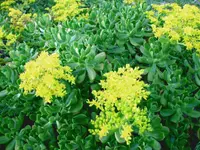
green cockscomb
Sedum praealtum
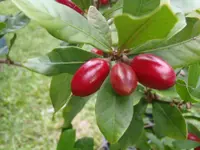
miracle fruit
Synsepalum dulcificum