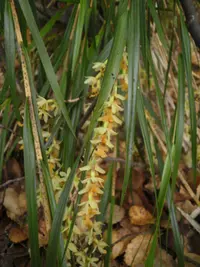
Guzmania scherzeriana Care

Guzmania scherzeriana

About Guzmania scherzeriana

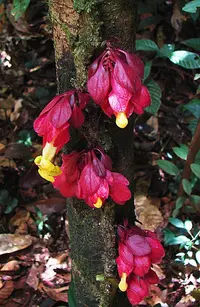
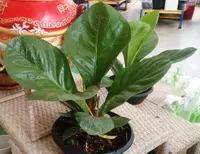
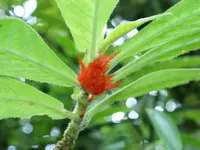
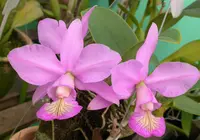
Guzmania scherzeriana is a small tropical bromeliad grown mainly for its bright, long-lasting bracts and compact rosette of narrow green leaves. It is typically seen as an indoor ornamental plant. Native to humid forests of Central and South America, it often grows as an epiphyte, anchoring on trees rather than in deep soil. This background explains its preference for airy substrates and consistent moisture without waterlogging. The plant is considered moderately easy for those who learn how to care for Guzmania scherzeriana, as it tolerates typical indoor temperatures but needs good humidity and soft, indirect light to look its best.

Main Plant Requirements

Care Difficulty

Moderate Care

Light Preference

Bright Indirect Light

Water Requirements

Keep Soil Moist

Temperature Preference

Tropical / Frost Sensitive

Hardiness Zone

11–12

Soil Texture

Peaty, Organic-rich

Soil pH

Acidic (5.5–6.5)

Soil Drainage

Moist but well-drained

Fertilization

Light (every 4–6 weeks)

Get Personalized Care Plan

Scan your plant to receive care tips personalized for your specific plant

Available on iOS and Android

How to Care for the Guzmania scherzeriana

This bromeliad prefers bright, filtered light that mimics dappled tropical shade for stable growth.

  • Provide 6–8 hours of bright, indirect light each day; early morning sun is acceptable, but protect from direct midday and afternoon rays to prevent leaf scorch.
  • Place where it receives high shade or light filtered through sheer curtains or overhead canopy; Guzmania scherzeriana tolerates partial shade but may bloom less in very dim spots.
  • In winter, move slightly closer to the light source to compensate for shorter days, but avoid placing it right against hot glass where low sun can still burn foliage.

Watering should keep the central cup and root zone moist but never stagnant.

  • Keep the leaf cup filled with fresh, non-salty water about halfway and flush it every 1–2 weeks to prevent mineral buildup and mosquito larvae.
  • Moisten the potting mix when the top 2–3 cm feels dry; the mix should be airy and fast-draining, not dense or muddy after watering.
  • Reduce watering in cooler months when growth slows, and watch for signs: yellowing, limp leaves with a sour smell suggest overwatering, while crisp, curling leaf tips indicate underwatering.

Stable, warm conditions support consistent growth and flowering in this species.

  • Aim for 65–80°F (18–27°C) for active growth; short periods up to 85°F (29°C) are tolerated if humidity is moderate and air movement is gentle.
  • Avoid temperatures below 55°F (13°C); chilling injury appears as brown patches or soft spots, and the plant should never be exposed to frost.
  • Seasonally, protect it from cold drafts near doors or windows in winter and from hot, dry air from heaters or air conditioners in summer to maintain leaf health.

This species prefers consistently moist air to keep its foliage and central cup healthy.

  • Aim for 60–80% humidity, as dry heated rooms often drop below the ideal range.
  • Dry air causes brown leaf tips, curling edges, and slower growth as humidity stress develops.
  • Increase humidity with a pebble tray under the pot, grouped plants, or a fine mist around Guzmania scherzeriana without soaking the flowers.

This bromeliad grows best in a loose, airy, organic-rich medium rather than dense potting soil.

  • Use a mix of orchid bark, coarse perlite, and a small amount of peat or coco coir to keep the root zone light and fibrous.
  • Ensure very fast drainage that mimics an epiphytic environment, so water drains through in seconds rather than pooling.
  • Aim for slightly acidic conditions around pH 5.5–6.5 to support nutrient uptake and prevent micronutrient lockout.
  • Avoid heavy garden soil or pure peat, which compresses, restricts aeration, and increases the risk of root suffocation and rot.

This species is very suitable for container growing because of its compact root system and rosette habit.

  • Choose a stable, relatively wide pot so the top-heavy rosette does not tip when the central cup holds water.
  • Pick a shallow container since roots are fine and short, prioritizing width and drainage over depth.
  • Use a lightweight plastic pot nested in a heavier cachepot if extra stability is needed while keeping moisture levels easier to control.

This bromeliad benefits from light, controlled feeding during the active growing season.

  • Use a balanced liquid fertilizer at 1/4 strength or a very light slow-release formula suitable for bromeliads.
  • Feed every 4–6 weeks in spring and summer, applying to the potting mix rather than filling the central cup.
  • Avoid heavy, salt-rich products; Guzmania scherzeriana is sensitive to buildup in its small root system.
  • Stop feeding in fall and winter when growth slows, to prevent weak, elongated foliage.

Pruning needs for Guzmania scherzeriana are minimal and focus on hygiene rather than shaping.

  • Trim spent flower spikes at the base after blooming, using clean, sharp scissors or pruners.
  • Remove dead, yellowing, or damaged leaves throughout the year to limit rot and fungal issues.
  • In late bloom decline, gradually cut back dying central foliage while leaving healthy offsets intact.
  • Pruning does not restore the mother rosette; it mainly improves appearance and directs energy to pups.

Repotting is infrequent, as this bromeliad prefers to stay slightly tight in its pot.

  • Repot every 2–3 years or when roots circle the container, mix dries extremely fast, or growth stalls.
  • Plan repotting for spring, when light and temperature favor recovery and new root growth.
  • Use a small pot only 2–3 cm wider, filled with airy orchid-bark or bromeliad mix to keep roots well aerated.
  • Handle roots gently, keep the central cup above the mix, water lightly at first, and maintain high humidity to reduce stress.

Propagation of Guzmania scherzeriana is most reliable through division of offsets, called pups.

  • Allow pups to reach 1/3–1/2 the height of the mother plant before separating.
  • In late spring or early summer, unpot the clump and gently tease pups away with some roots attached.
  • Plant each pup in a small pot with airy bromeliad or orchid mix, keeping the rosette just above the surface.
  • Provide bright, indirect light, 70–80°F warmth, and consistently slightly moist mix until roots establish.

This tropical bromeliad is frost sensitive and needs sheltered winter conditions in most climates.

  • Keep temperatures above 55°F; avoid exposure to frost, cold drafts, or unheated porches.
  • In cold regions, move container plants indoors before nights drop below 60°F.
  • Provide bright, indirect indoor light and good air circulation while keeping the cup and mix only slightly moist.
  • Reduce watering in low light, and avoid cold tap water on foliage to limit stress and leaf spotting.

Care Tips

Rotate Flower Spike

Rotate the pot a quarter turn every 1–2 weeks so the flower spike develops evenly and does not lean strongly toward the light source.

Use Central Cup Water

Maintain a small reservoir of clean, low-mineral water in the central cup formed by the rosette and refresh it weekly to prevent bacterial buildup and odor.

Flush Salt Build‑Up

Every 4–6 weeks, thoroughly flush the potting mix and central cup with distilled or rainwater to reduce fertilizer salt accumulation that can burn sensitive bromeliad roots and leaf bases.

Encourage Pup Growth

Once the main rosette finishes flowering, remove only the spent flower stalk and keep the mother plant in place so attached pups can continue to draw support until they reach at least one-third of the parent’s size.

Safe Pup Division

When dividing pups, use a clean, sharp knife to cut them away with a small portion of the basal stem attached, dust the cut with powdered sulfur or ground cinnamon, then pot them in a very airy bromeliad mix for stable, healthy starts when growing Guzmania scherzeriana.

Common Pests and Diseases

Mealybugs

This pest hides in leaf bases and around the central cup, feeding on plant sap and excreting sticky honeydew that can lead to sooty mold. Symptoms include cottony white clusters and distorted or weakened foliage.

Solution

Isolate the plant, then swab visible insects with cotton pads dipped in 70% isopropyl alcohol and rinse the leaf bases and cup with lukewarm water. For persistent infestations, apply a neem oil or insecticidal soap spray directed into leaf axils and the cup, repeating every 7–10 days until no new insects appear, while improving air circulation and avoiding excess nitrogen fertilizer.

Scale insects

These insects attach firmly to leaf surfaces, especially along midribs and at the base of rosettes, sucking sap and causing yellowing, dull leaves, and sticky residue. Heavy infestations can stunt growth and shorten the life of the flowering rosette.

Solution

Gently scrape or wipe off individual scales with a cotton pad or soft brush, then treat the whole plant, including leaf undersides and axils, with insecticidal soap or horticultural oil. Repeat treatments every 7–10 days for several cycles and keep the plant slightly drier at the leaf surface while maintaining adequate humidity in the room.

Bacterial leaf spot

This disease causes water-soaked, translucent spots on leaves that may turn brown and irregular, often starting near the central cup or trapped water pockets. Symptoms include a bad odor if infection is advanced and rapid collapse of affected tissue in warm, humid conditions.

Solution

Remove and discard affected leaves and avoid splashing water from the cup onto healthy foliage. Keep the rosette cup water fresh, reduce overhead misting, improve air movement around the plant, and in severe cases discard heavily infected plants to protect nearby bromeliads, then disinfect pots and tools before reuse.

Phytophthora crown rot

This disease attacks the central rosette when water remains stagnant and warm in the cup, causing wilting, leaf yellowing, and a soft, brown, foul-smelling crown that can detach easily. Symptoms include rapid collapse of the plant despite apparently moist conditions.

Solution

At early stages, remove the plant from its pot, cut away all soft, brown tissue, and replant only firm, healthy offsets in fresh, well-draining bromeliad mix, discarding the infected mother plant if necessary. Prevent recurrence by never letting the cup water stagnate for more than 5–7 days, keeping the potting mix airy, and avoiding standing water around the crown, which is central to proper Guzmania scherzeriana care.

Interesting Facts

Costa Rican origin

This species is naturally found in the humid forests of Costa Rica, where it typically grows as an epiphyte on trees rather than rooted in soil.

Distinctive spotted bracts

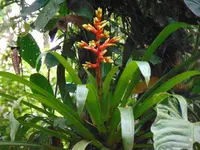
Its inflorescence shows distinctive colored bracts that often display spotting or banding, which helps distinguish it from more uniformly colored species in the genus.

Specialized tank structure

Like many bromeliads, it forms a rosette that creates a small central tank able to hold water, providing microhabitat for tiny invertebrates in its native range.

FAQs about Guzmania scherzeriana

This species blooms only once from the central rosette when mature, then slowly declines while offsets develop. Lack of flowering usually comes from immaturity or stress; focus on stable warmth, humidity, and allowing pups to reach adult size.

Grow Healthy Plants with Botan Care

Keep your plants happy and healthy with plant identification, disease detection, and easy care guidance.

Botan plant care app — identify plants on mobile

Explore More Plants