Aechmea pubescens Care

Aechmea pubescens

About Aechmea pubescens

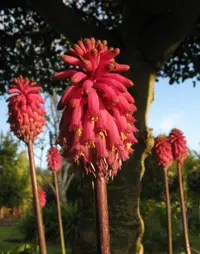
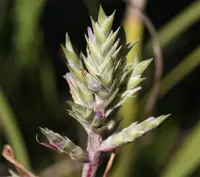
Aechmea pubescens is an epiphytic bromeliad, often growing on trees rather than in soil, with a compact rosette of arching, sometimes softly fuzzy leaves. Its showy flower spikes carry colorful bracts and small tubular flowers, followed by ornamental berries that add long-lasting interest.

This species occurs naturally in parts of tropical Central and South America, where it experiences warm temperatures, bright filtered light, and good air movement. It is considered moderately easy to grow if its rosette is not overwatered and excess moisture can drain freely. For those learning how to care for Aechmea pubescens, its preference for bright indirect light and evenly moist but not soggy conditions is the key point.

Main Plant Requirements

Care Difficulty

Moderate Care

Light Preference

Partial Shade

Water Requirements

Moderate Water

Temperature Preference

Tropical / Frost Sensitive

Hardiness Zone

11–12

Soil Texture

Sandy, Loamy, Organic-rich

Soil pH

Acidic (5.5–6.5)

Soil Drainage

Well-drained

Fertilization

Light (every 4–6 weeks)

Get Personalized Care Plan

Scan your plant to receive care tips personalized for your specific plant

Available on iOS and Android

How to Care for the Aechmea pubescens

This bromeliad prefers bright, filtered light similar to bright forest understory conditions.

  • Provide 4–6 hours of bright, indirect light daily; morning sun or dappled light through a sheer curtain is ideal outdoors or indoors.
  • Allow light shade at midday; strong afternoon sun can scorch leaves, causing pale patches or brown tips, while very low light stretches growth and reduces flowering.
  • In summer, protect from reflected heat near walls or concrete; in winter, move closer to the brightest window or under grow lights to maintain bloom potential.

Watering focuses on both the central tank and the potting mix to keep this bromeliad healthy.

  • Keep the central cup 1/2–3/4 full with fresh water, flushing it every 1–2 weeks to prevent stagnation and mosquito larvae.
  • Let the top 2–4 cm of mix dry before watering the roots; use a fast-draining orchid/bromeliad mix so water does not sit around the base.
  • In warm, bright conditions, water more often and watch for curling, crispy leaves; reduce frequency in cooler months to avoid root rot, signaled by black, mushy bases.

Stable warm temperatures support steady growth and flowering for this species.

  • Aim for 65–80°F (18–27°C) for active growth, matching the warm, humid habitats where Aechmea pubescens occurs naturally.
  • Tolerates brief drops to about 45–50°F (7–10°C) but growth slows; prolonged exposure below this range risks leaf damage and root stress.
  • Handles short heat spikes to 90–95°F (32–35°C) if shaded and kept humid; protect from frost and cold drafts, since freezing temperatures can permanently damage the rosette.

This species prefers moderately humid air but adapts to typical household conditions if not extremely dry.

  • Aim for 50–70% humidity to keep foliage and central cup healthy.
  • Tolerates short periods around 30–40%, but prolonged dry air can cause browning tips and shriveling leaf edges.
  • Increase humidity with a nearby humidifier, grouping plants, or a pebble tray, rather than misting the rosette directly.

Use a loose, airy, fast-draining mix that mimics an epiphytic bromeliad’s natural conditions.

  • Combine roughly 40% fine bark, 30% peat or coco coir, and 30% perlite or coarse sand for a chunky, organic-rich texture.
  • Ensure water drains within seconds; the mix should hold slight moisture but never stay soggy around the roots or central cup base.
  • Aim for slightly acidic to neutral pH, about 5.5–7.0, which suits Aechmea pubescens and supports nutrient uptake.
  • Avoid dense garden soil, heavy clay, or mixes dominated by fine peat that compact and reduce aeration.

This bromeliad grows well in containers, especially shallow, stable pots.

  • Choose a pot only slightly wider than the root ball, as the plant anchors more by its base than by deep roots.
  • Use a heavy or low, wide container to prevent tipping when the rosette and flower spike become top-heavy.
  • Select non-porous materials like glazed ceramic or plastic if the mix dries too fast, or porous terracotta if moisture retention is high.

This bromeliad needs modest feeding to support foliage and flowering without damaging its sensitive roots.

  • Use a balanced liquid fertilizer (around 10-10-10) diluted to 1/4–1/2 strength for Aechmea pubescens during active growth.
  • Apply every 4–6 weeks in spring and summer, wetting both the potting mix and the central cup lightly.
  • Avoid granular fertilizer in the cup to prevent salt burn and rot of the rosette.
  • Stop or reduce feeding to 1 light application in fall and skip fertilizer during winter rest.

Pruning is light and mainly hygienic, helping the rosette and offsets stay healthy and tidy.

  • Best timing is after flowering, when the main rosette starts to decline and pups are visible.
  • Cut spent flower stalks at the base with clean, sharp scissors or pruners to redirect energy to offsets.
  • Remove dead, damaged, or collapsing leaves at the base to improve airflow and reduce rot risk in Aechmea pubescens.
  • Thin out overcrowded pups if needed to control clump size and maintain an open, balanced shape.

Repotting focuses on refreshing the mix and spacing offsets rather than giving a much larger pot.

  • Repot every 2–3 years or when roots circle the pot, growth slows, or the clump becomes crowded with pups.
  • Aim for late spring to early summer so the plant can re-establish quickly in warm, bright conditions.
  • Lift the plant gently, separate offsets with a clean knife if needed, and keep as many roots attached as possible.
  • Place in a shallow, free-draining mix, water lightly, and keep shaded for 3–5 days to limit transplant stress.

Propagation of this bromeliad is most reliable through offsets produced around the base of the mother plant.

  • Use offsets (pups) once they reach about 1/3–1/2 the size of the mother rosette, usually in late spring or early summer.
  • Twist or cut pups off with a clean knife, keeping a small section of stem and roots attached if possible.
  • Plant each pup in a very free-draining mix, keep warmth around 70–80°F, and maintain bright, indirect light.
  • Keep the mix just barely moist and fill the central cup lightly; rooting and strong new growth confirm success in growing Aechmea pubescens.

This tropical bromeliad is frost-sensitive and needs mild, sheltered conditions during winter.

  • Avoid exposure below about 45°F; freezing temperatures can damage or kill the rosette.
  • Move container plants indoors or into a heated greenhouse before the first frost, giving bright, indirect light.
  • Reduce watering, keeping the mix only slightly moist and the central cup less full to limit rot in cool conditions.
  • In very mild climates, grow in a sheltered spot and mulch lightly around the container or mounting base for extra insulation.

Care Tips

Monitor central cup

Check the central water cup weekly and flush it with fresh, low-mineral water every 2–3 weeks to prevent salt buildup, algae, and mosquito larvae.

Support offset formation

Once blooms fade, leave the mother rosette in place until pups reach about one-third to one-half its size, then separate with a clean, sharp knife and pot each offset slightly deeper for stable anchoring.

Use breathable mounts

For a more natural display, mount the plant on cork bark or hardwood using sphagnum moss and nylon ties, then mist and soak the mount regularly so roots stay moist but never waterlogged.

Rotate for even growth

Turn the pot or mount 90° every 1–2 weeks so the rosette develops symmetrically and the inflorescence does not lean strongly toward a single light source.

Post-bloom rejuvenation

After flowering, remove only badly deteriorated outer leaves and keep fertilizing at low strength to support pup development, which is a key part of caring for Aechmea pubescens over several years.

Common Pests and Diseases

Mealybugs

This pest often hides in leaf axils and in the central tank, feeding on plant sap and causing yellowing and stunted growth. Symptoms include white, cottony clusters on leaf bases and around the inflorescence.

Solution

Remove visible insects with a cotton swab dipped in 70% isopropyl alcohol, then rinse the leaf rosettes and tank thoroughly with lukewarm water and let them drain. For persistent infestations, use a ready-to-use insecticidal soap or neem oil spray directed into leaf axils and repeat every 7–10 days while improving air movement and avoiding excess nitrogen fertilizer.

Scale insects

These insects attach to the stiff leaves and flower stalks, appearing as small brown or tan bumps and causing localized yellow spots and leaf decline. Heavy infestations can weaken the rosette and reduce flowering quality.

Solution

Gently scrape or wipe off scales with a soft cloth or toothbrush and discard heavily infested leaves. Follow with a thorough application of insecticidal soap or horticultural oil, making sure to coat both leaf surfaces and protected crevices, and repeat treatments at 7–10 day intervals until new growth is clean.

Tank bromeliad rot

This disease develops when water stagnates in the central tank under low light and poor air movement, leading to soft, foul-smelling leaf bases and collapse of the central rosette. Symptoms include browning and mushy tissue starting at the cup and spreading outward.

Solution

Discard severely affected plants; for early cases, empty and flush the tank with clean water several times, then keep the cup only 1/3–1/2 full and allow it to dry briefly between refills. Increase airflow, provide brighter indirect light, avoid getting potting mix constantly wet, and sterilize tools that contact affected tissue to prevent spread.

Bacterial leaf spot

This disease causes water-soaked, translucent spots on the stiff leaves that may turn brown with a yellow halo, often starting near the tank or areas that stay wet. Spots can merge, creating irregular necrotic patches and cosmetic damage.

Solution

Remove and dispose of badly spotted leaves and avoid overhead misting that keeps foliage wet for long periods. Improve air circulation, avoid overfilling the central tank, and if needed use a copper-based bactericide labeled for bromeliads, applied to both leaf surfaces according to label directions.

Spider mites

These insects thrive on plants kept too dry with warm, stagnant air, causing fine speckling, dull leaves, and occasional webbing near leaf bases or undersides. Symptoms include a general loss of gloss on the foliage and slow decline.

Solution

Rinse foliage thoroughly, including leaf undersides and axils, with a strong but gentle stream of water and repeat several times over 1–2 weeks. If mites persist, apply insecticidal soap or a miticide labeled for ornamental use, and adjust conditions by raising ambient humidity slightly and increasing airflow while avoiding direct blast from hot, dry vents.

Interesting Facts

Hairy leaf surfaces

The leaves of this species are covered with fine hairs (trichomes) that help capture water and dissolved nutrients from mist and rain, an adaptation to life on tree branches where soil is absent.

Epiphytic tree dweller

In its native Central and South American habitats, this bromeliad often grows as an epiphyte high on tree trunks and branches, anchoring to bark rather than rooting in ground soil.

Water-holding leaf tank

Its rosette of overlapping leaves forms a central tank that collects rainwater and organic debris, creating a small aquatic microhabitat used by insects and other small organisms.

Botan icon

Did you know?

Field studies have documented that the water-filled tanks of this species can host multi-species aquatic communities, including insect larvae and micro-crustaceans, effectively turning each plant into a tiny canopy reservoir that contributes to nutrient cycling in forest ecosystems.

FAQs about Aechmea pubescens

This species usually flowers only once per rosette when mature, then slowly declines while offsets develop. Lack of bloom is often due to immaturity, insufficient light intensity, or significant temperature stress that interrupts bud initiation.

Grow Healthy Plants with Botan Care

Keep your plants happy and healthy with plant identification, disease detection, and easy care guidance.

Botan plant care app — identify plants on mobile

Explore More Plants