


Stabilize Tall Clumps
As clumps mature and stems lengthen, use low, discreet stone edging or buried root barriers to keep the plant from leaning or spreading into walkways while still allowing new shoots to emerge freely.

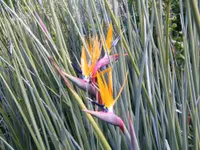
Strelitzia juncea, commonly called narrow-leafed bird of paradise, is a sculptural evergreen perennial grown for its upright, reed-like leaves and striking bird-shaped flowers. It forms a clumping growth habit, making a strong architectural accent in containers or landscapes.
This species is native to South Africa, where it grows in sunny, dry to seasonally moist habitats. Its tough leaves and thick rhizomes store water, which makes it relatively forgiving of short dry spells and suitable for low-maintenance gardens.
It prefers bright light, well-drained soil, and moderate watering, and understanding these basics helps clarify how to care for Narrow-leafed Bird of Paradise in typical home conditions.

Care Difficulty
Moderate Care

Light Preference
Full Sun

Water Requirements
Moderate Water

Temperature Preference
Warm Climate

Hardiness Zone
9–11

Soil Texture
Sandy, Loamy, Organic-rich

Soil pH
Acidic (5.5–6.5), Slightly acidic (6.5–7.0)

Soil Drainage
Well-drained

Fertilization
Light (every 4–6 weeks)
Scan your plant to receive care tips personalized for your specific plant
Available on iOS and Android
Strelitzia juncea needs strong light to flower and keep its narrow leaves upright and compact.
Strelitzia juncea prefers deep but infrequent watering that allows the soil to dry slightly between soakings.
This species thrives in warm, mild climates and tolerates heat better than cold.
This species handles typical indoor humidity but benefits from slightly moist air in heated or very dry homes.
Strelitzia juncea prefers a fast-draining, aerated mix that stays slightly moist but never waterlogged.
This species is well suited to container culture, especially in cooler climates or small outdoor spaces.
Strelitzia juncea responds well to modest, consistent feeding during the warm growing season.
Pruning Strelitzia juncea focuses on hygiene and maintaining a clean, upright clump.
This species prefers to be somewhat root-bound, so repotting or transplanting is infrequent but occasionally necessary.
Propagation of Strelitzia juncea is most practical by careful division rather than from seed.
This species is only lightly frost tolerant and benefits from targeted winter protection in cooler climates.

Plant Health Check
Not sure what's wrong with your plant? Check your plant's health inside the app.
This species has almost no broad leaf blades; instead, its leaves are reduced to stiff, cylindrical, rush-like petioles that drastically cut down water loss in its arid native habitats of South Africa.
The narrow, reed-like foliage and robust clumps tolerate strong, dry winds much better than broad-leaved Strelitzia species, making it naturally adapted to exposed slopes and rocky sites.
It forms dense clumps from rhizomes over many years, expanding slowly rather than running, which is why mature flowering stands in cultivation often come from long-established plantings.

Although visually very different from the broad-leaved bird-of-paradise species, it hybridizes readily with them, and horticulturists have used this compatibility to breed ornamental hybrids that combine narrow foliage with larger, colorful inflorescences, an important point in advanced Strelitzia juncea plant care and breeding work.
Lack of blooms usually comes from immaturity, insufficient light, or a pot that is too small or cramped. Crowded clumps bloom better than freshly divided plants. Avoid heavy nitrogen fertiliser and keep conditions stable for several years.
Keep your plants happy and healthy with plant identification, disease detection, and easy care guidance.

threadleaf sundew
Drosera filiformis
American brunfelsia
Brunfelsia americana
zebra calathea
Goeppertia zebrina
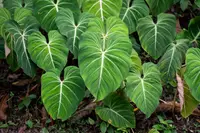 POPULAR
Philodendron gloriosum
Philodendron gloriosum
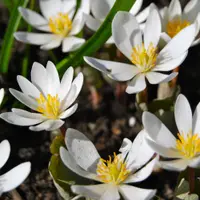
bloodroot
Sanguinaria canadensis
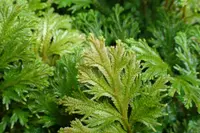
variegated spikemoss
Selaginella martensii
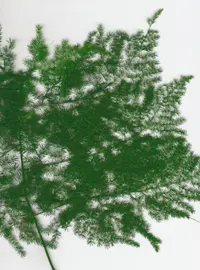 POPULAR
Asparagus fern
Asparagus setaceus
Sander's Alocasia
Alocasia sanderiana