Coffea humblotiana Care

About Coffea humblotiana

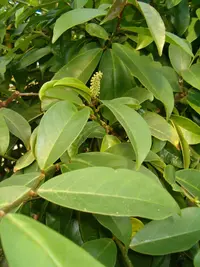
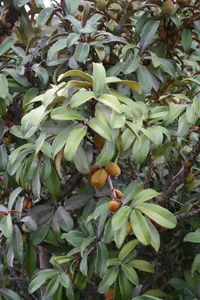
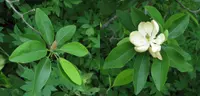
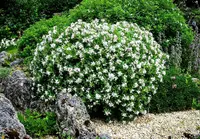
Coffea humblotiana is a small evergreen shrub in the coffee family, native to the Comoros Islands off the east coast of Africa. It has glossy green leaves and a compact, branching habit, with small white flowers followed by reddish fruits.

In cultivation, it behaves like a warm-climate understory shrub and prefers stable conditions, making it more suitable for experienced growers than for beginners. Understanding how to care for Coffea humblotiana involves providing consistent warmth, moderate light, and evenly moist, well-drained soil.

Its sensitivity to cold, low humidity, and irregular watering can make it challenging in typical indoor or temperate outdoor conditions. With careful attention, it can become a distinctive foliage and curiosity plant in a collection.

Main Plant Requirements

Care Difficulty

Moderate Care

Light Preference

Partial Shade

Water Requirements

Regular Water

Temperature Preference

Tropical / Frost Sensitive

Hardiness Zone

11–13

Soil Texture

Loamy, Sandy, Organic-rich

Soil pH

Strongly acidic (4.5–5.5), Acidic (5.5–6.5)

Soil Drainage

Moist but well-drained

Fertilization

Light (every 4–6 weeks)

Get Personalized Care Plan

Scan your plant to receive care tips personalized for your specific plant

Available on iOS and Android

How to Care for the Coffea humblotiana

This understory coffee species prefers bright, gentle light that mimics a lightly shaded forest edge.

  • Provide 3–5 hours of soft morning sun with bright, filtered light the rest of the day; avoid harsh midday and afternoon sun that can scorch leaves.
  • Coffea humblotiana tolerates partial shade, but in too dim locations new growth becomes sparse and internodes stretch, indicating insufficient light.
  • In summer, increase protection from intense sun with shade cloth or dappled tree cover; in winter, shift the plant to the brightest frost-free spot to compensate for shorter days.

This species prefers evenly moist, well-aerated soil that never stays soggy for long periods.

  • Water when the top 2–3 cm of soil feel dry, soaking the root zone thoroughly and letting excess drain away to prevent root rot.
  • Reduce watering frequency in cooler seasons, but do not allow the root ball to dry out completely; slightly drier conditions are safer than constant saturation.
  • Watch the foliage: limp, dry edges and curling leaves suggest underwatering, while yellowing leaves, blackened roots, and a sour smell indicate overwatering in Coffea humblotiana.

This coffee shrub thrives in warm, frost-free conditions similar to a humid, low-elevation tropical forest.

  • Aim for 65–80°F (18–27°C) for active growth; short exposures up to 85°F (29°C) are tolerated if humidity and soil moisture remain stable.
  • Protect from temperatures below 55°F (13°C); brief dips to 45–50°F (7–10°C) may be survived but can slow growth and increase stress susceptibility.
  • Avoid frost entirely, and shield from hot, drying winds or heat spikes above 90°F (32°C) by providing shade, mulch, and consistent soil moisture.

This species prefers moderately high humidity similar to other coffee shrubs.

  • Aim for 50–70% humidity; prolonged levels below 40% increase leaf stress risk.
  • Dry air causes brown, crisp leaf edges and slowed new growth, especially near heaters or strong drafts.
  • Increase humidity with a nearby tray of wet pebbles, grouped plants, or a room humidifier placed a short distance from Coffea humblotiana.

Use a loose, organic-rich, slightly acidic medium that drains freely but stays evenly moist.

  • Choose a fine to medium-textured loamy mix with plenty of organic matter to mimic forest floor conditions.
  • Ensure fast drainage by blending roughly 50% peat or coco coir with 30–40% compost and 10–20% perlite or fine bark.
  • Target a slightly acidic pH of 5.5–6.5; avoid strongly alkaline mixes or tap water with heavy lime buildup.
  • Prevent compaction by including chunky particles like fine bark, which improve aeration and reduce root rot risk in Coffea humblotiana.

This shrub adapts well to container culture when moisture and stability are carefully managed.

  • Select a container slightly taller than wide to give the deepening root system stable vertical space without waterlogging the base.
  • Use a heavier material such as ceramic or thick terracotta to reduce tipping as the canopy becomes woody and top-heavy.
  • Place the pot inside a decorative cachepot only if you can lift and empty standing water promptly to avoid suffocating roots.

Nutrient inputs support steady growth in Coffea humblotiana, especially in containers or poor soils.

  • Use a balanced NPK fertilizer (for example 10-10-10) or well-matured compost for gentle, even nutrition.
  • Feed every 4–6 weeks during the warm growing season, when new leaves and shoots are forming.
  • Apply liquid fertilizer at 1/2–1/4 label strength to avoid root burn, especially in pots.
  • Stop feeding in late fall and winter, when growth slows, to prevent weak, elongated shoots.

Pruning helps maintain size, structure, and light penetration for Coffea humblotiana.

  • Carry out main pruning in late winter or early spring before strong new growth starts.
  • Remove dead, diseased, crossing, or inward-growing branches to improve airflow and reduce disease risk.
  • Shorten overly long shoots to keep a compact, bushy framework and encourage new lateral growth.
  • Use clean, sharp bypass pruners, cutting just above a node and avoiding large wounds where possible.

Container-grown Coffea humblotiana benefits from occasional repotting to maintain root health.

  • Check for roots circling the pot base, emerging from drainage holes, or unexplained slow growth as signs it needs more space.
  • Plan repotting or outdoor transplanting for spring, once temperatures are stable and active growth resumes.
  • Move up only 1 pot size, using a free-draining, slightly acidic mix, and gently loosen circling roots without tearing.
  • Water thoroughly after repotting, keep in bright but indirect light for 1–2 weeks, and avoid heavy feeding until recovery is clear.

Propagation of Coffea humblotiana is usually done from fresh seed or semi-ripe cuttings.

  • Sow ripe, cleaned seeds in spring in a sterile, slightly acidic mix, barely covered and kept at 70–80°F.
  • Maintain constant, light moisture and high humidity, as germination can be slow and uneven.
  • For cuttings, take semi-ripe shoots in late spring or summer, 8–10 cm long, with 2–3 nodes.
  • Dip the cut base in rooting hormone, insert into a moist, well-aerated medium, and provide bottom warmth and bright shade.

This species is frost sensitive, so winter care focuses on temperature protection and stable moisture.

  • In regions below 45°F, grow in containers and move plants indoors or into a heated greenhouse for winter.
  • Indoors, provide bright light, temperatures around 60–70°F, and slightly drier soil than in summer.
  • In mild climates, mulch the root zone 5–8 cm deep to buffer short cool spells and moisture swings.

Care Tips

Shaded acclimation

When moving the plant outdoors for summer, place it in bright shade for 7–10 days before giving it any direct sun to reduce leaf scorch and help it adapt gradually to higher light and wind.

Flush to prevent salt

Every 2–3 months, water heavily until 20–30% of the pot volume drains out to flush built-up fertilizer salts that can burn fine feeder roots and cause marginal leaf browning.

Gentle root grooming

At repotting, gently tease apart only the outer 1–2 cm of the root ball to loosen circling roots rather than breaking the core, which helps new roots colonize fresh mix without causing major stress.

Targeted pest scouting

Inspect the undersides of leaves and along midribs every 1–2 weeks with a hand lens, focusing on new growth where spider mites and scale usually appear first, so treatment can start before damage is visible from a distance.

Canopy shaping

Pinch or lightly tip-prune overly vigorous vertical shoots in late spring to encourage a broader, branching canopy that supports better flowering and fruit set when growing Coffea humblotiana.

Common Pests and Diseases

Coffee berry borer

This pest bores into developing berries, causing small entry holes, premature fruit drop, and poor seed quality. Symptoms include hollow or damaged seeds and reduced yield on fruiting plants.

Solution

Collect and destroy affected berries, including any on the ground, to reduce the beetle population, and avoid leaving ripe fruit on the plant for long periods. In outdoor or greenhouse settings, use fine mesh exclusion nets around fruiting branches and introduce or conserve beneficial parasitoid wasps where available as part of Coffea humblotiana care instructions.

Coffee leaf rust

This disease produces yellow spots on the upper leaf surface and orange powdery pustules on the underside, leading to premature leaf drop. Symptoms include thinning foliage and overall decline in vigor when infection is severe.

Solution

Remove and discard heavily infected leaves, keep the canopy open with light pruning to improve airflow, and avoid wetting foliage during watering. In outdoor or greenhouse situations with repeated issues, apply a preventive copper-based fungicide according to label directions during warm, humid periods.

Coffee berry disease

This disease causes dark sunken lesions on green and ripening berries that may turn black and mummified. Symptoms include shriveled fruit that stops developing and remains attached to branches.

Solution

Regularly inspect developing berries and remove any with dark lesions, along with attached mummified fruit. Maintain good spacing, prune to improve airflow and light penetration, and in humid production settings use targeted fungicide sprays at early fruit development if the disease is recurrent.

Coffee leaf miner

This pest feeds inside leaves, creating winding, pale tunnels that can cause browning and premature leaf drop. This pest is more frequent in outdoor or greenhouse-grown plants where moths can access foliage.

Solution

Prune and discard leaves showing fresh mines to remove larvae before they mature, and avoid stressing the plant with excessive sun or drought. For larger collections, use yellow sticky traps to monitor adult moths and apply a leaf-safe insecticidal spray containing spinosad to young infestations if needed.

Scale insects

These insects appear as small, immobile bumps on stems and leaf undersides and excrete sticky honeydew that can lead to sooty mold. Symptoms include yellowing leaves, reduced growth, and a tacky surface on nearby objects or foliage.

Solution

Gently scrape or wipe scales off with a cotton pad dipped in diluted alcohol, then rinse the plant with lukewarm water. For persistent infestations, use a horticultural oil spray to coat stems and leaf undersides, repeating every 7–10 days until new crawler-stage insects are no longer seen.

Interesting Facts

Comorian island endemic

This coffee species is naturally restricted to the Comoro Islands in the western Indian Ocean, where it grows in humid evergreen forests at relatively low elevations.

Non‑commercial coffee relative

Although closely related to the cultivated coffee species Coffea arabica and Coffea canephora, this species is not used in commercial coffee production and is mainly of interest for conservation and scientific study.

Conservation concern status

Coffea humblotiana is listed as threatened due to its narrow distribution and ongoing habitat loss, making it a focus of regional plant conservation assessments.

FAQs about Coffea humblotiana

This species can work indoors if given bright, filtered light, stable warmth, and higher humidity. It prefers a roomy pot and free-draining mix. Coffea humblotiana indoor care is easier when drafts and direct hot sun are avoided.

Grow Healthy Plants with Botan Care

Keep your plants happy and healthy with plant identification, disease detection, and easy care guidance.

Botan plant care app — identify plants on mobile

Explore More Plants