Encourage Compact Growth
Pinch back soft shoot tips in early spring to encourage a low, dense mat that suppresses weeds and reduces stem flopping in windy sites.

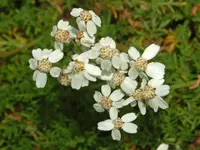
Simple-leaved milfoil, Achillea erba-rotta, is a compact, mat-forming perennial herb from rocky slopes and alpine meadows of southern European mountains. It stays low to the ground and slowly spreads, making a dense, fine-textured carpet of small, aromatic leaves.
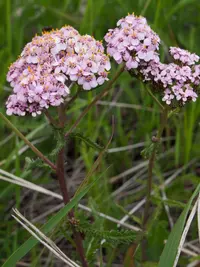
The foliage is usually gray-green and divided, giving a delicate, fernlike look, while the flower stems carry small, white to pale pink flower clusters. Its alpine origin makes it naturally adapted to poor, well-drained soils, full sun, and generally dry conditions, which simplifies how to care for Simple-leaved Milfoil in suitable sites.
This species is typically resilient, cold-hardy, and long-lived when drainage is good, but it can struggle in heavy or waterlogged soils and in very humid, hot climates.

Care Difficulty
Easy Care

Light Preference
Full Sun

Water Requirements
Low Water

Temperature Preference
Cold Hardy

Hardiness Zone
4–8

Soil Texture
Sandy, Loamy, Rocky

Soil pH
Slightly acidic (6.5–7.0), Slightly alkaline (7.0–7.5)

Soil Drainage
Well-drained

Fertilization
Minimal (feed rarely)
Scan your plant to receive care tips personalized for your specific plant
Available on iOS and Android
Achillea erba-rotta prefers bright, open conditions that mimic its native alpine habitats.
Achillea erba-rotta is drought tolerant and needs careful watering to prevent root problems.
This species is a hardy alpine yarrow that tolerates a wide temperature range when established.
Achillea erba-rotta tolerates a wide humidity range and rarely needs special humidity management.
Achillea erba-rotta prefers mineral, free-draining soil that mimics its native rocky slopes.
This species grows reliably in containers when given a stable, sharply draining setup.
Achillea erba-rotta is adapted to lean soils and needs only light feeding, especially when grown as Simple-leaved Milfoil in low-maintenance plantings.
Pruning Achillea erba-rotta maintains compact growth, encourages flowering, and keeps the clump healthy.
This species is usually grown in the ground, so care focuses more on transplanting than frequent repotting.
Achillea erba-rotta is commonly propagated to renew older clumps and expand plantings.
Achillea erba-rotta is generally cold hardy and needs minimal winter care in most temperate climates.

Plant Health Check
Not sure what's wrong with your plant? Check your plant's health inside the app.
This yarrow species occurs mainly on calcareous, rocky alpine slopes and pasture edges in the European Alps, where it tolerates thin, stony soils with high calcium content and strong drainage.
Unlike taller garden yarrows, it naturally forms compact cushions or low mats that hug the ground, an adaptation that helps it resist strong mountain winds and reduces moisture loss.
The small, finely dissected leaves release a noticeable aroma when crushed, a trait typical of the Asteraceae family that is linked to the presence of essential oils used by the plant for defense against herbivores.
This species forms low, slowly widening clumps. It can spread modestly by short rhizomes but is not generally considered aggressive. In well-drained, lean soils, it stays compact and is usually easy to keep within bounds.
Keep your plants happy and healthy with plant identification, disease detection, and easy care guidance.