Pinch For Bushiness
When seedlings reach 10–15 cm tall, pinch out the growing tip once to encourage branching, which results in more flowering stems and a fuller display when growing sweetsultan.

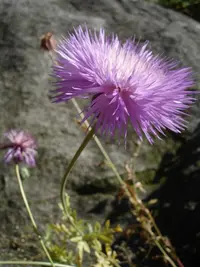
Sweetsultan, Amberboa moschata, is an annual flowering plant in the aster family, grown mainly for its soft, thistle-like blooms and pleasant scent. It forms upright, branching stems with finely divided foliage and rounded flower heads in shades of cream, pink, purple, or yellow.
The species is native to parts of the eastern Mediterranean and western Asia, where it grows in open, sunny habitats. In gardens it is valued as a cut flower that attracts pollinators and is relatively easy to raise from seed.
Light, well-drained soil and full sun help simplify how to care for sweetsultan, especially in temperate summer climates.

Care Difficulty
Easy Care

Light Preference
Full Sun

Water Requirements
Moderate Water

Temperature Preference
Warm Climate

Hardiness Zone
6–9

Soil Texture
Sandy, Loamy, Organic-rich

Soil pH
Acidic (5.5–6.5), Slightly acidic (6.5–7.0)

Soil Drainage
Well-drained

Fertilization
Minimal (feed rarely)
Scan your plant to receive care tips personalized for your specific plant
Available on iOS and Android
Amberboa moschata prefers bright, open conditions to flower well in garden beds and borders.
Amberboa moschata prefers steady, moderate moisture in free-draining soil rather than constant wetness.
This annual thrives in mild to warm conditions and reacts poorly to hard frost or extreme heat.
Amberboa moschata handles a wide humidity range and rarely needs special humidity management.
Amberboa moschata prefers light, well-draining ground that does not stay wet after rain or watering.
This species is suitable for container growing when given a deep, freely draining pot outdoors.
Amberboa moschata grows best in moderately fertile soil, so light, balanced feeding supports flowering without making plants leggy.
Pruning Amberboa moschata focuses on deadheading and light shaping to encourage more blooms and tidy growth.
This annual is usually transplanted outdoors rather than repotted long term, since roots dislike heavy disturbance once established.
Amberboa moschata is most commonly propagated by seed, which germinates reliably under suitable conditions.
As a frost-tender annual in most climates, Amberboa moschata usually completes its life cycle before winter and needs minimal cold-season care.

Plant Health Check
Not sure what's wrong with your plant? Check your plant's health inside the app.
The flowers release a soft, sweet musk fragrance, which is most noticeable in warm, still air and is one reason the plant has been traditionally grown near outdoor seating areas.
This species belongs to the Asteraceae family and is closely related to thistles and knapweeds, sharing similar tufted, brush-like flower heads but with much softer, non-spiny foliage.
The nectar-rich, multi-flowered heads are highly attractive to bees, hoverflies, and butterflies, making it a useful annual for supporting pollinators in mixed garden plantings.

Amberboa moschata has been cultivated in European gardens since at least the 17th century, when its unusual musk fragrance and finely divided foliage made it a fashionable ornamental in cottage and formal flower borders.
Lack of flowers often comes from too much shade, excess nitrogen fertilizer, or drought stress. Ensure full sun, moderate fertility, and regular deadheading. Removing spent blooms redirects energy into new buds and supports longer, heavier flowering.
Keep your plants happy and healthy with plant identification, disease detection, and easy care guidance.