white colicroot Care (Aletris farinosa)

Also known as: White-tubed Colicroot
white colicroot

About white colicroot

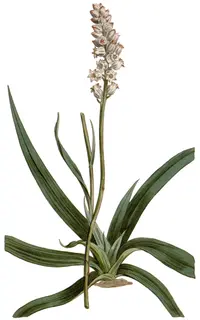
White colicroot (Aletris farinosa) is a small, clump-forming perennial wildflower in the Nartheciaceae family. It produces narrow, grasslike basal leaves and a tall, slender flowering stalk. The plant carries a spike of tiny, white, urn-shaped flowers that give a slightly bumpy, wand-like look. It has a slow, somewhat finicky growth habit. This species is native to eastern North America, where it grows in open, acidic, and often somewhat moist habitats such as boggy meadows and pine barrens. It can be challenging to cultivate because it dislikes disturbance and needs well-drained but consistently moist, acidic, low-fertility soil. Gardeners who care for white colicroot usually succeed only when they closely match its natural habitat.

Main Plant Requirements

Care Difficulty

Moderate Care

Light Preference

Full Sun

Water Requirements

Regular Water

Temperature Preference

Cold Hardy

Hardiness Zone

4–9

Soil Texture

Sandy, Loamy, Organic-rich

Soil pH

Acidic (5.5–6.5)

Soil Drainage

Moist but well-drained

Fertilization

Minimal (feed rarely)

Get Personalized Care Plan

Scan your plant to receive care tips personalized for your specific plant

Available on iOS and Android

How to Care for the white colicroot

This sun-loving native prefers bright, open conditions to flower and grow well.

  • Provide full sun for 6–8 hours daily; light morning sun with open exposure through midday suits white colicroot in most temperate climates.
  • Tolerates light partial shade, especially dappled afternoon shade, but flowering and clump density decline if sun drops below about 4–5 hours per day.
  • In hot summers, protect from intense, reflected afternoon sun to reduce leaf scorch and moisture stress, especially on dry, sandy sites.

This species prefers evenly moist but not saturated soil, especially during active growth.

  • Water when the top 2–4 cm of soil feel dry, aiming for consistently moist conditions in spring and early summer while new leaves and flower spikes develop.
  • Ensure soil drains freely; prolonged puddling, foul smell, or soft, yellowing leaves indicate overwatering and possible root decline.
  • In late summer and fall, reduce watering frequency as growth slows; dry, curling foliage and slow recovery after rain suggest underwatering in sandy sites.

This temperate perennial is adapted to cool to warm outdoor conditions with a marked winter chill.

  • Active growth is best at 60–80°F (16–27°C); flowering and root development are most reliable within this range during late spring and early summer.
  • Established plants tolerate winter lows near 0°F (−18°C) in the ground, provided soil drains well and crowns are not exposed to repeated freeze–thaw cycles.
  • Handles short heat spells up to about 90–95°F (32–35°C) if soil moisture is maintained, but prolonged extreme heat with drought can stunt growth and reduce flowering.

This species tolerates a wide humidity range, so air moisture is rarely a limiting factor in cultivation.

Aletris farinosa prefers lean, acidic, well-drained soil that mimics open, sandy, low-fertility habitats.

  • Use a sandy, slightly loamy mix with 40–60% coarse sand, 20–30% fine bark, and minimal compost to avoid excess fertility.
  • Maintain pH around 4.5–6.0 using acidifying components such as pine bark fines or a small amount of peat moss.
  • Ensure sharp drainage by avoiding heavy clay and by adding extra sand or fine grit if water lingers longer than 1 day.
  • Do not add large amounts of manure or rich compost, which can encourage rot and stress this nutrient-sensitive species.

This species can be grown in containers, but success is higher when the pot closely replicates its naturally lean, sharply drained conditions.

  • Choose a deep, narrow pot to accommodate the taproot and prevent bending or circling at the bottom.
  • Use a heavier pot material or add weight to the base to stabilize tall flowering spikes against wind.
  • Elevate the container slightly on pot feet or bricks to improve drainage outflow and keep the root zone from staying cool and wet.

This nutrient-efficient native wildflower rarely needs supplemental feeding in average, not-too-poor soil.

Aletris farinosa needs minimal pruning, mostly for cleanliness rather than shaping.

This species is best grown in-ground and dislikes frequent disturbance of its deep, fibrous root system.

  • Transplant only when necessary, such as overcrowding or unsuitable site conditions.
  • Schedule moves for early spring or early fall when temperatures are mild and soil is moist.
  • Dig a wide, deep hole, lifting as much of the root system and surrounding soil as possible.
  • Replant at the same depth, water thoroughly, and maintain even moisture to limit transplant shock.

Propagation of Aletris farinosa is slow and specialized, so it is not commonly attempted by home gardeners.

This cold-hardy perennial usually requires no special winter care in its outdoor hardiness range.

  • Allow foliage to naturally die back after frost; do not force cutback too early.
  • Apply a light 2–5 cm mulch of leaf litter or bark in late fall on exposed sites.
  • Keep mulch loose so crowns do not stay waterlogged, which reduces risk of rot.

Care Tips

Mark Dormant Clumps

During late summer while foliage is still visible, mark plant locations with small stakes so you do not disturb dormant crowns when doing fall or spring bed work around white colicroot.

Maintain Open Neighbors

Thin or cut back aggressive surrounding perennials and grasses each year so this slow-growing species is not shaded or root-competed by more vigorous plants.

Support Flower Spikes

In windy or exposed sites, insert discreet slender stakes behind the plants and loosely tie the tall, slender flower spikes to prevent lodging and stem breakage.

Encourage Natural Seeding

Allow some seed spikes to fully mature and drop in place, and avoid heavy mulching directly over the parent plants so seedlings can establish in adjacent bare soil patches.

Disturb Soil Minimally

Use hand tools and shallow cultivation only, keeping tillers and deep digging away from established clumps because this species resents root disturbance and recovers slowly.

Common Pests and Diseases

Leaf-chewing caterpillars

This pest occasionally feeds on the narrow leaves and flowering stalks, creating ragged edges and small holes. Symptoms include visible larvae on foliage and frass (droppings) on or around the plant.

Solution

Handpick caterpillars when seen and remove heavily damaged leaves to reduce pressure. Encourage natural predators by avoiding broad-spectrum insecticides, and if damage becomes significant, spot-treat foliage with a targeted Bacillus thuringiensis (Bt) product according to label directions.

Mealybugs

These insects can shelter in the leaf bases and along flower stalks, appearing as white, cottony clusters and causing gradual weakening of plants. Symptoms include sticky honeydew on nearby foliage and occasional sooty mold growth on surrounding vegetation or surfaces.

Solution

Wipe or wash off colonies with a strong stream of water or a cloth dipped in diluted insecticidal soap, taking care to reach leaf bases. Repeat treatments weekly until populations drop, and avoid excess nitrogen fertilization, which can encourage soft, mealybug-susceptible growth.

Rust

This disease may appear on stressed plants growing in wetter-than-normal conditions, causing small orange to brown pustules on leaves and premature yellowing. Symptoms include scattered spots that release powdery spores when rubbed.

Solution

Remove and discard affected leaves to limit spore spread and provide better spacing and airflow around plants. Avoid overhead watering, restrict leaf wetness periods, and if symptoms progress, apply a labeled sulfur or copper-based fungicide as a preventive on nearby healthy foliage.

Leaf spot

This disease shows as small, water-soaked lesions that turn tan to dark brown with possible purple margins, especially during warm, humid periods. Symptoms include scattered spotting that can coalesce and cause partial leaf blight on lower leaves.

Solution

Prune and dispose of affected leaves and any dense thatch or debris around the crown to reduce inoculum. Improve air circulation and water at soil level; in persistent cases, use a labeled ornamental leaf-spot fungicide on new growth at the first sign of spotting, following all label instructions.

Interesting Facts

Narrow, grasslike foliage

This species forms basal rosettes of very narrow, grasslike leaves that stay close to the ground, which helps it conserve resources in the nutrient-poor, acidic soils where it naturally grows.

Unusual bottlebrush flowers

Its tall, wand-like flower spikes are densely packed with small, white, tubular flowers whose roughened, mealy-looking surface gives rise to the common name colicroot and the alternative name unicorn root.

Specialized habitat preference

In the wild, this plant is strongly associated with open, sunny, acidic habitats such as pine barrens, dry savannas, and sandy clearings, and it often indicates low-fertility, well-drained soils.

Botan icon

Did you know?

The genus name Aletris comes from a classical Latin word for a female grain-grinder, a reference to the powdery, mealy appearance of the flowers, and this visual trait has made the species a useful field marker for botanists studying nutrient-poor sandhill and pine barren plant communities in eastern North America.

FAQs about white colicroot

Lack of flowering usually comes from plants being too young, too shaded, or growing in soil that is dry, compacted, or infertile. Consistent moisture, full sun to light shade, and low–moderate fertility help support flower spike development.

Grow Healthy Plants with Botan Care

Keep your plants happy and healthy with plant identification, disease detection, and easy care guidance.

Botan plant care app — identify plants on mobile

Explore More Plants