Undulated Bugloss Care (Anchusa hybrida)

Undulated Bugloss

About Undulated Bugloss

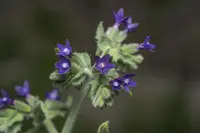
Undulated bugloss (Anchusa hybrida) is a short-lived perennial or biennial from the borage family, valued mainly for its intense blue, star-shaped flowers. It typically forms a loose clump of bristly, lance-shaped leaves and upright flowering stems, giving a slightly wild, meadow-like look in garden borders.

This species naturally occurs in parts of southern Europe and the Mediterranean region, often in dry, open habitats and poor soils. It tends to be easier to grow in sunny spots with well-drained ground, but its taproot and dislike of disturbance can make it less suitable for frequent transplanting.

Gardeners who want to learn how to care for Undulated Bugloss should know it prefers full sun, moderately dry conditions, and lean soil rather than rich, constantly moist substrates.

Main Plant Requirements

Care Difficulty

Moderate Care

Light Preference

Full Sun

Water Requirements

Moderate Water

Temperature Preference

Cool Climate

Hardiness Zone

4–8

Soil Texture

Sandy, Loamy, Rocky

Soil pH

Slightly acidic (6.5–7.0), Neutral (7.0)

Soil Drainage

Well-drained

Fertilization

Minimal (feed rarely)

Get Personalized Care Plan

Scan your plant to receive care tips personalized for your specific plant

Available on iOS and Android

How to Care for the Undulated Bugloss

Anchusa hybrida performs best in open, bright conditions that mimic a sunny meadow.

  • Provide full sun for 6–8 hours daily; morning and midday sun produce the strongest flowering for Undulated Bugloss.
  • It tolerates light afternoon shade in hotter regions, but dense or all-day shade leads to weak, floppy growth and reduced blooms.
  • In summer, protect from intense reflected heat off walls or pavement, and in early spring ensure it is not shaded by fast-growing surrounding plants.

Anchusa hybrida prefers evenly moist but well-drained soil and does not tolerate prolonged saturation.

  • Water when the top 3–5 cm of soil feels dry, letting water soak deeply, then drain away; avoid frequent shallow splashes.
  • In spring and early summer, watch for dull, drooping foliage as a sign the root zone has dried too far and needs a thorough soak.
  • Yellowing lower leaves, soft stems, or a sour smell from the soil indicate overwatering or poor drainage and signal a need to improve runoff.

This plant is a cool- to warm-temperate perennial that prefers moderate temperatures and good air movement.

  • Optimal growth occurs around 60–75°F (16–24°C), with flowering strongest in the cooler part of this range.
  • Anchusa hybrida generally tolerates down to about 20–25°F (-6 to -4°C) once established but young plants are more sensitive and benefit from mulch in winter.
  • In hot summers above 85–90°F (29–32°C), provide consistent soil moisture and, in very exposed sites, slight afternoon shade to reduce stress and scorching.

This species tolerates a wide range of outdoor humidity and rarely needs special humidity management.

Anchusa hybrida prefers lean, well-drained mineral soils that do not stay wet for long.

  • Use a sandy or gritty loam with at least 40–50% coarse sand or fine gravel to keep roots aerated.
  • Aim for slightly alkaline to neutral pH around 7.0–7.8; avoid strongly acidic mixes.
  • Mix a small amount of compost into the top layer only, keeping the overall mix low in organic matter to prevent sogginess.
  • Avoid heavy clay or peat-heavy substrates that compact and hold water, which encourages root rot and weak growth.

This species can be grown in containers, though it performs best in deep, very free-draining pots outdoors.

  • Choose a tall, heavy container that resists tipping as flowering stems elongate and catch wind.
  • Fill the pot with a gritty mix and raise it on pot feet so water drains away quickly after rain or watering.
  • Select unglazed clay if possible, as its porous walls speed evaporation and reduce the risk of persistent wetness around the crown.

Anchusa hybrida benefits from modest feeding but can grow in lean soils if needed.

  • Apply a balanced liquid fertilizer (such as 10-10-10) at half strength every 4–6 weeks during spring and early summer.
  • Alternatively, work a light layer of compost into the soil in early spring to support flowering.
  • Avoid high-nitrogen products, which push soft foliage at the expense of blooms and sturdiness.
  • Stop feeding Undulated Bugloss by late summer and do not fertilize in winter dormancy.

Anchusa hybrida responds well to light, timely pruning to maintain vigor and flowering.

  • In late spring to mid-summer, shear back spent flower spikes to encourage further blooming and a tidier shape.
  • Remove dead, damaged, or crossing stems at the base using clean, sharp hand pruners or scissors.
  • Cut back floppy or excessively tall growth by up to one-third to reduce lodging and promote bushier plants.
  • At season’s end, trim old stems to a low mound, leaving some basal growth to overwinter.

Anchusa hybrida is usually grown in beds, so transplanting young plants is more common than repotting mature ones.

  • Transplant in early spring or early fall when temperatures are mild and soil is workable.
  • Choose this time if roots fill the plug, circle the container, or growth slows despite good care.
  • Lift plants with a generous soil clump, disturbing roots as little as possible to reduce transplant shock.
  • Water thoroughly after planting, then keep soil lightly moist for 1–2 weeks while roots re-establish.

Anchusa hybrida is typically propagated from seed, with some gardeners also using basal cuttings.

  • Sow fresh seeds in late summer or early spring in a well-drained, gritty seed mix kept just moist.
  • Provide cool to mild temperatures (50–65°F) and good light to support steady germination and early growth.
  • Take short basal cuttings in spring, using non-flowering shoots, and insert into a free-draining, sandy medium.
  • Maintain high humidity around cuttings, reduce direct sun, and avoid waterlogging to limit rot risk.

Anchusa hybrida is generally cold hardy in temperate climates and needs only modest winter care in the ground.

  • In zones with sustained freezes, apply a 5–7 cm layer of straw or leaf mulch around the crown after soil cools.
  • Avoid heavy, soggy soils in winter, as waterlogging increases root and crown rot risk.
  • Move container-grown plants to a sheltered, unheated but frost-free spot and reduce watering.

Care Tips

Staggered Succession Sowing

Sow small batches of seed every 2–3 weeks in early spring to keep flowering more continuous and to replace any plants that decline quickly after bloom.

Deep Root Encouragement

Pinch off early flower buds and water deeply but infrequently during establishment to encourage a strong taproot, which improves drought tolerance and overall vigor.

Targeted Wind Support

In windy sites, insert discreet bamboo canes or low hoops on the windward side before flowering stems elongate, then loosely tie stems with soft twine to prevent lodging without restricting growth.

Spent Spike Management

After peak bloom, shear back only the most exhausted flower spikes while leaving healthy foliage, which often prompts a lighter rebloom and keeps the plant looking neater.

Powdery Mildew Prevention

Space plants with generous gaps and water at soil level in the morning so foliage dries quickly, a simple approach that reduces powdery mildew pressure when growing Undulated Bugloss in dense plantings.

Common Pests and Diseases

Powdery mildew

This disease produces white, powdery patches on leaves, stems, and flower stalks, often starting on lower or crowded foliage. Symptoms include distorted new growth and a dull, greyed appearance to the plant.

Solution

Improve air circulation by thinning crowded stems and avoid overhead watering so foliage dries quickly. Remove and discard heavily infected leaves, then apply a sulfur or potassium bicarbonate fungicide labeled for ornamentals, repeating as directed during warm, dry periods when powdery mildew pressure is high.

Rust

This disease causes small yellow spots on upper leaf surfaces and orange-brown pustules on the undersides. Symptoms include premature leaf yellowing and drop, especially in humid or wet conditions.

Solution

Promptly remove and bin affected leaves to reduce spore spread, and avoid wetting foliage when watering. Improve spacing and airflow, and if the problem persists, use a copper-based or other labeled rust fungicide, treating both leaf surfaces according to label intervals.

Aphids

These insects cluster on shoot tips, soft stems, and flower stalks, sucking sap and causing curling or distortion of new growth. This pest also produces sticky honeydew that can attract sooty mold and ants.

Solution

Spray colonies off with a firm stream of water, then spot-treat remaining insects with insecticidal soap or a ready-to-use neem oil product, ensuring good coverage of shoot tips and leaf undersides. Encourage natural predators such as lady beetles by minimizing broad-spectrum insecticides in the garden.

Leaf miners

These insects create pale, winding tunnels inside leaves as larvae feed between leaf surfaces. Symptoms include silvery trails and blotches that reduce photosynthetic area and make foliage unattractive.

Solution

Regularly inspect foliage and remove and discard mined leaves before larvae mature, especially early in the season. In larger infestations, use sticky traps to monitor adult flies and consider a systemic insecticide labeled for ornamental leaf miners if cultural control is insufficient.

Slugs and snails

These pests chew irregular holes in leaves and young shoots, often leaving ragged edges and slime trails on or around the plant. Damage is usually worse on young rosettes and after wet weather or overhead watering.

Solution

Hand-pick slugs and snails in the evening or early morning and reduce hiding spots by removing debris near the plant. Use iron phosphate bait around, not on, the crown of the plant, and water at soil level in the morning so the surface soil and foliage dry by night, which discourages feeding and supports healthier growing Undulated Bugloss conditions.

Interesting Facts

Mediterranean hybrid origin

Anchusa hybrida is considered a hybrid taxon within the borage family (Boraginaceae) and is native to Mediterranean-type habitats, where it typically grows in dry, open, and often disturbed sites such as field margins and light scrub.

Bright blue bee magnet

The plant produces vivid blue, tubular flowers with exposed reproductive structures that are highly attractive to bees and other pollinating insects, providing an early to mid-season nectar source in its native range.

Bristly protective surfaces

Like many Anchusa species, A. hybrida has rough, bristly hairs on stems and leaves, a trait that helps reduce herbivory and limits water loss by slightly shading the leaf surface.

FAQs about Undulated Bugloss

Lack of flowers usually comes from insufficient light, overly rich nitrogen fertilizer, or plants that are still immature. Ensure full sun, use a balanced or low‑nitrogen feed, and deadhead spent blooms to direct energy into new buds.

Grow Healthy Plants with Botan Care

Keep your plants happy and healthy with plant identification, disease detection, and easy care guidance.

Botan plant care app — identify plants on mobile

Explore More Plants