


Repot After Flowering
Plan major repotting right after flowering, when new roots are just emerging from the base of new growths, to reduce transplant shock and secure quick establishment in fresh medium.

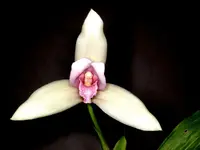
Lycaste virginalis is a cool- to intermediate-growing epiphytic orchid, valued for its large, long-lasting flowers that often appear in shades of white, pink, or rose. The blooms are typically star-shaped with a waxy texture and a strong, pleasant fragrance.
In nature, this species grows in moist, cool mountain forests of Mexico and Central America, where it often receives bright, filtered light and good air movement. Pseudobulbs and deciduous leaves reflect a seasonal growth pattern, which influences how to care for Lycaste virginalis through active and resting phases.
This orchid is moderately demanding, mainly because it dislikes heat, stale air, and extended dryness. It generally prefers bright, indirect light, evenly moist but not soggy medium, and high humidity with good ventilation.

Care Difficulty
Hard Care

Light Preference
Bright Indirect Light

Water Requirements
Regular Water

Temperature Preference
Tropical / Frost Sensitive

Hardiness Zone
Unknown

Soil Texture
Peaty, Organic-rich

Soil pH
Acidic (5.5–6.5)

Soil Drainage
Moist but well-drained

Fertilization
Moderate (every 2–4 weeks)
Scan your plant to receive care tips personalized for your specific plant
Available on iOS and Android
This orchid prefers bright, filtered light that mimics dappled forest conditions.
Watering should follow the plant’s growth cycle and substrate moisture rather than a fixed calendar.
This species prefers cool to intermediate temperatures with moderate daily fluctuations.
This orchid prefers moderately high, stable humidity for reliable flowering and leaf health.
Lycaste virginalis grows best in a loose, airy orchid medium rather than regular potting soil.
This species is well suited to container growing when the pot supports its shallow, spreading root system.
Feeding supports flowering but this orchid is sensitive to excess nutrients.
Pruning needs are light and focus on hygiene rather than shaping.
Repotting keeps the root system healthy and the orchid medium fresh.
Division is the standard method for increasing plants while maintaining flower quality.
This orchid is not frost hardy and needs cool, dry rest conditions in winter.

Plant Health Check
Not sure what's wrong with your plant? Check your plant's health inside the app.
Lycaste virginalis, often called the white nun orchid, is one of the national flowers of Guatemala and appears in local art and symbolism as a representation of purity and highland cloud forests.
In nature this species grows as an epiphyte or lithophyte in cool, humid montane forests of Mexico and Central America, often in areas frequently covered by fog and cloud cover.
The large, waxy flowers are usually white to pale pink with a contrasting lip and often produce a noticeable, sweet fragrance that helps attract specific pollinators such as native bees in its natural range.

Historical records show that Lycaste virginalis was highly prized by European orchid collectors in the 19th century, and specimens exported from Central America played a role in the early orchid boom among horticultural societies and private glasshouse collections.
Lack of flowers usually comes from insufficient light, too-warm or constant temperatures, or skipping a distinct cool, drier winter rest. Moderate feeding and a slight pot-tight root system also support reliable flowering each season.
Keep your plants happy and healthy with plant identification, disease detection, and easy care guidance.

 POPULAR
Silver Dollar Vine
Xerosicyos danguyi
mountain arnica
Arnica montana
Pinguicula hirtiflora
Pinguicula hirtiflora
Peperomia urvilleana var. fijiana
Peperomia urvilleana var. fijiana
Platycerium coronarium
Platycerium coronarium
Red Abyssinian Banana
Ensete ventricosum 'Maurelii'
Coelogyne viscosa
Coelogyne viscosa
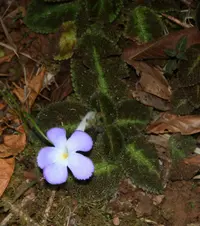
Episcia lilacina
Episcia lilacina