Tank water hygiene
Empty and refill the central cup with fresh, chlorine-free water every 5–7 days to prevent bacterial and fungal buildup, especially in warm indoor conditions.

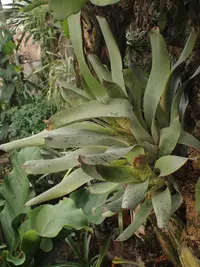
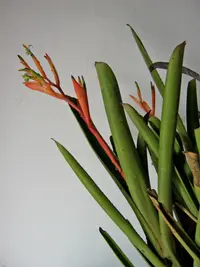
Vriesea pardalina is a tropical bromeliad known for its compact rosette of arching, strap-like leaves and often patterned or banded foliage. It usually forms a central tank that can hold water.
This species is native to parts of Brazil, where it grows as an epiphyte on trees or sometimes on rocky surfaces in humid forests. Its slow to moderate growth and moderate tolerance of indoor conditions make it manageable but not the easiest beginner plant.
Good air circulation, stable warmth, and evenly moist but not waterlogged conditions support healthy growth. Understanding how to care for Vriesea pardalina starts with providing bright, filtered light and avoiding prolonged dryness.

Care Difficulty
Moderate Care

Light Preference
Bright Indirect Light

Water Requirements
Moderate Water

Temperature Preference
Tropical / Frost Sensitive

Hardiness Zone
10–12

Soil Texture
Sandy, Loamy, Organic-rich

Soil pH
Acidic (5.5–6.5)

Soil Drainage
Well-drained

Fertilization
Light (every 4–6 weeks)
Scan your plant to receive care tips personalized for your specific plant
Available on iOS and Android
This bromeliad thrives in bright, indirect light that mimics dappled forest shade.
Watering should focus on a moist but airy root zone and a consistently filled central cup.
This species prefers warm, stable conditions with protection from cold and frost.
This species prefers consistently humid air for healthiest growth.
Use a loose, airy mix that drains quickly yet holds some moisture around the roots.
This bromeliad is well suited to container culture both indoors and on sheltered patios.
This bromeliad benefits from light, controlled feeding rather than heavy fertilization.
Pruning needs for Vriesea pardalina are minimal and focus on tidiness and hygiene.
This bromeliad prefers snug pots and is repotted mainly to refresh mix or separate offsets.
Propagation is most successful by removing offsets that form around the mother plant.
This tropical bromeliad needs protection from cold and is best overwintered indoors in most climates.

Plant Health Check
Not sure what's wrong with your plant? Check your plant's health inside the app.
This species is known for its distinct transverse dark banding across the green leaves, giving a spotted or barred pattern that inspired the epithet pardalina, meaning leopard-like.
Its broad, arching leaves form a central water-holding tank that traps rain and organic debris, creating a miniature aquatic habitat for small invertebrates and microorganisms in its native range.
It naturally grows as an epiphyte on trees in Brazil’s Atlantic Forest, relying on its tank and specialized leaf scales, called trichomes, to capture moisture and nutrients from rain and mist rather than from soil.
This species usually blooms only once when mature, then the rosette slowly declines while offsets develop. Lack of bloom is often due to immaturity or stress; stable warmth, humidity, and consistent conditions support normal flowering.
Keep your plants happy and healthy with plant identification, disease detection, and easy care guidance.