coligallo palm Care (Calyptrogyne ghiesbreghtiana)

coligallo palm

About coligallo palm

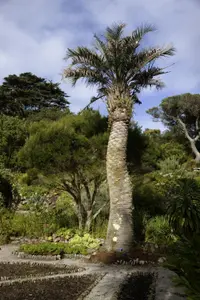
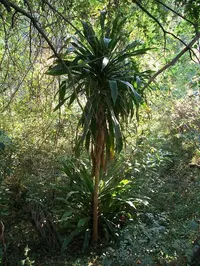
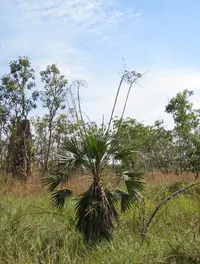
Calyptrogyne ghiesbreghtiana, commonly called coligallo palm, is a small understory palm native to humid tropical forests of Central America. It usually forms slender multi-stemmed clumps with graceful, arching fronds.

The plant produces narrow, feather-like leaves and short flower spikes that sit close to the stem, giving it a compact, elegant look. In nature it thrives in constant warmth, high humidity, and shaded conditions beneath taller trees.

For indoor or sheltered outdoor use, its slow growth and tolerance of low light can make it manageable, but it dislikes cold, dry air, and neglected watering. Understanding how to care for coligallo palm means providing stable moisture, soft filtered light, and a loose, well-drained, organic-rich substrate.

Main Plant Requirements

Care Difficulty

Hard Care

Light Preference

Shade

Water Requirements

Keep Soil Moist

Temperature Preference

Tropical / Frost Sensitive

Hardiness Zone

11–12

Soil Texture

Loamy, Peaty, Organic-rich

Soil pH

Strongly acidic (4.5–5.5), Acidic (5.5–6.5)

Soil Drainage

Moist but well-drained

Fertilization

Light (every 4–6 weeks)

Get Personalized Care Plan

Scan your plant to receive care tips personalized for your specific plant

Available on iOS and Android

How to Care for the coligallo palm

This understory palm prefers soft, filtered light that mimics a shaded tropical forest floor.

  • Provide bright shade or dappled light, such as under taller plants or 70–80% shade cloth, with only 1–2 hours of weak early-morning sun.
  • Avoid direct midday or afternoon sun, which can scorch leaves of coligallo palm, causing pale patches, brown tips, and crispy edges.
  • In darker seasons, increase light by pruning overhead shade slightly; if fronds stretch or lean strongly, the plant is not receiving enough light.

This species prefers consistently moist, never stagnant soil that mimics a humid forest floor.

  • Water when the top 2–3 cm of soil feels just starting to dry, aiming to keep the lower layer evenly moist but not soggy.
  • Use rich, organic soil with excellent drainage; standing water or heavy clay leads to root rot, yellowing fronds, and a sour smell.
  • In hotter months, increase frequency as evaporation rises; in cooler or cloudy periods, slow down and watch for drooping, crisp leaf tips as a sign of underwatering.

This tropical palm thrives in warm, stable conditions without cold drafts or sudden temperature swings.

  • Aim for 70–85°F (21–29°C) for active growth, similar to lowland rainforest conditions where Calyptrogyne ghiesbreghtiana occurs.
  • Protect from temperatures below 55°F (13°C); brief drops to 45–50°F (7–10°C) may be survived but can cause leaf damage and slowed growth.
  • This plant tolerates short heat waves up to about 90–95°F (32–35°C) if humidity is high and soil stays evenly moist, but it is not frost-hardy at all.

This species needs consistently high humidity to thrive in cultivation.

  • Aim for 70–90% humidity; growth slows and foliage quality drops if kept much drier for long periods.
  • Dry indoor air causes brown leaf tips, edge crisping, and stalled new fronds as clear signs of humidity stress.
  • Use grouped plants, pebble trays, or a room humidifier near the coligallo palm to maintain stable high humidity.

Calyptrogyne ghiesbreghtiana prefers an airy, organic-rich substrate that stays evenly moist but never waterlogged.

  • Use a loose mix such as 50% peat- or coco-based potting medium, 25% fine bark, and 25% perlite for structure and aeration.
  • Ensure fast drainage so excess water exits within seconds, preventing anaerobic conditions that lead to root rot.
  • Keep pH slightly acidic to neutral, around 6.0–7.0, where nutrients remain available and roots function efficiently.
  • Avoid heavy clay, compacted mixes, or those with high sand alone, which either suffocate roots or dry too rapidly.

This palm adapts reasonably well to container growing when provided with stable moisture and support.

  • Select a deep, relatively narrow pot that allows a firm root column, which helps stabilize the slender trunk as it elongates.
  • Choose heavier materials like ceramic or clay if the plant becomes top-heavy, reducing the risk of tipping in wind or high-traffic areas.
  • Place the container where it is protected from strong lateral knocks so the root mass does not shift and damage fine feeder roots.

This understory palm has modest nutrient needs but responds well to light, consistent feeding in containers.

  • Use a balanced liquid fertilizer (around 10-10-10 or 20-20-20) at 1/4–1/2 strength for coligallo palm in spring–summer.
  • Apply every 4–6 weeks during active growth, only on moist soil to avoid root burn.
  • Reduce feeding to 1 light application in late fall or stop entirely in winter when growth slows.
  • In large tubs, mix a slow-release palm or general fertilizer into the top 2–3 in of potting mix once per growing season.

Calyptrogyne ghiesbreghtiana needs minimal pruning, focused on hygiene rather than reshaping.

  • Best time is late winter to early spring, before strong new growth starts.
  • Remove only dead, yellowing, or diseased fronds at the base with clean, sharp pruners.
  • Cut spent flower stalks close to their origin to maintain a tidy clump without altering natural form.
  • Avoid removing green, healthy fronds, since this palm stores resources in its foliage and can be weakened.

This small palm grows slowly and dislikes frequent disturbance, so repot or transplant only when clearly necessary.

  • Look for roots circling the pot, pushing through drainage holes, or noticeably slowed growth as signs it needs more space.
  • Plan repotting or transplanting in late spring to early summer, when warmth supports root recovery.
  • Move up just 1 pot size, keeping the rootball intact and setting it at the same soil level to limit transplant shock.
  • Water thoroughly after moving, then keep evenly moist and shaded for 1–2 weeks while the plant re-establishes.

Propagation of this palm is usually done from seed and is relatively slow and specialized.

  • Collect fresh, ripe seeds and clean off all fruit pulp to reduce fungal problems.
  • Sow in warm conditions around 77–86°F with high humidity and a loose, well-drained mix rich in organic matter.
  • Provide bright, indirect light and keep the substrate evenly moist; germination may take several weeks to months.
  • Division of clumps is sometimes possible but often stresses plants, so should be attempted only on vigorous, well-established specimens.

This tropical palm is frost-sensitive and needs careful management in regions with cool or cold winters.

  • Keep outdoor plants only in frost-free climates; even light frost can damage foliage or kill young plants.
  • For containers in cooler areas, move indoors before temperatures drop below 55°F and provide bright, filtered light.
  • Maintain indoor temperatures around 65–80°F and avoid cold drafts or sudden temperature swings.
  • Mulch the root zone of in-ground specimens in mild-winter areas to buffer short cool spells and conserve soil warmth.

Care Tips

Protect flowering stalks

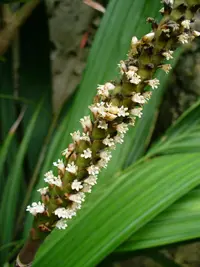
When flower spikes emerge, keep the pot in a stable position and avoid rotating or bumping the plant so the delicate inflorescences are not damaged and the small pollinator-attracting flowers can fully open.

Mulch for root comfort

Apply a 2–3 cm layer of fine orchid bark or shredded leaf mulch on top of the potting mix to keep the shallow roots cool, buffer moisture swings, and mimic the forest floor conditions this species prefers.

Use broad, low pots

Choose a container that is wider rather than very deep, with multiple drainage holes, to accommodate the palm’s fibrous, shallow root system and reduce the risk of water pooling at the bottom.

Gentle frond cleaning

Wipe both sides of the leaflets monthly with a soft, barely damp cloth to remove dust, improve light interception, and allow early detection of mites or scale insects on the undersides.

Staggered repotting schedule

Instead of frequent full repotting, slip the plant into a pot only 2–3 cm wider every 2–3 years and refresh just the top 3–5 cm of mix annually to reduce stress while still supporting healthy root growth when caring for coligallo palm.

Common Pests and Diseases

Palm aphids

This pest feeds on the undersides of leaflets and around flower stalks, sucking sap and causing yellowing, curling, and sticky honeydew that can lead to sooty mold growth.

Solution

Prune and discard heavily infested fronds, then wash remaining foliage with a strong but gentle stream of water and a mild insecticidal soap solution, repeating every 7–10 days as needed; in shaded, humid sites, improving air movement and reducing excess nitrogen fertilizer can reduce aphid buildup.

Scale insects

These insects appear as small, fixed bumps on stems and leaf bases, weakening the plant by removing sap and sometimes causing localized yellow spots or dieback.

Solution

Gently scrape or wipe off individual scales with a cotton swab dipped in isopropyl alcohol, then treat remaining areas with horticultural oil, ensuring thorough coverage of leaf bases and the crown while keeping the growing point dry; inspect every 2–3 weeks and repeat treatment if new crawlers appear.

Spider mites

This pest thrives on understory palms grown too dry, causing fine stippling, dull or bronzed foliage, and occasional fine webbing between leaflets.

Solution

Increase humidity, rinse fronds on both sides with lukewarm water, and apply insecticidal soap or a miticidal horticultural oil, focusing on leaflet undersides; repeat weekly until new growth appears clean and avoid placing the plant in hot, dry air streams indoors as part of overall Calyptrogyne ghiesbreghtiana care.

Fusarium leaf spot

This disease causes small, water-soaked lesions on leaflets that expand into brown or gray spots with darker margins, often starting on older fronds in warm, humid conditions.

Solution

Remove and discard affected fronds promptly, keep foliage as dry as possible by watering at soil level, and improve spacing and airflow; in persistent cases, use a palm-safe fungicide labeled for Fusarium leaf spot and avoid overhead irrigation on nursery or indoor specimens.

Anthracnose

This disease leads to irregular dark brown to black lesions and blighting along leaflet tips and margins, especially on plants grown in dense shade with frequent leaf wetness.

Solution

Cut off and dispose of infected tissue, avoid wetting the foliage, and provide better air circulation under the canopy; in high-pressure situations such as greenhouse production, apply a registered fungicide for anthracnose on palms following label directions and rotate products to limit resistance.

Interesting Facts

Specialized bat pollination

The flowers are mainly pollinated by nectar-feeding bats that visit at night, guided by the pale inflorescences held just below the leaves. This close bat–palm interaction has been documented in lowland rainforests of Central America where the species is native.

Lowland rainforest specialist

This palm naturally occurs in warm, very humid, shaded understories of Atlantic lowland rainforests from southern Mexico to Panama. It usually grows along moist ravines and forest floors, forming dense colonies where light levels are low and air moisture stays high.

Distinctive clustered habit

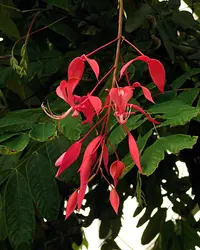
The species forms tight clumps of slender stems, each crowned with several arching pinnate leaves that are relatively narrow and soft-textured. The inflorescences emerge among the leaves and bear small, pale flowers followed by bright red to orange fruits that stand out against the dark foliage.

Botan icon

Did you know?

Studies in Central American forests have shown that this palm provides an important, nearly year-round nectar source for several bat species, making it a key component in sustaining local nocturnal pollinator communities.

FAQs about coligallo palm

Growth is slow to moderate. In suitable tropical or warm greenhouse conditions, it may add 10–20 cm of trunk or stem per year. Seedlings and container plants grow more slowly until roots are well established.

Grow Healthy Plants with Botan Care

Keep your plants happy and healthy with plant identification, disease detection, and easy care guidance.

Botan plant care app — identify plants on mobile

Explore More Plants