tapeworm plant Care (Muehlenbeckia platyclada)

tapeworm plant

About tapeworm plant

Tapeworm plant, Muehlenbeckia platyclada, is an evergreen perennial shrub grown mainly for its unusual, flattened, leafless stems. These jointed, ribbon-like stems create a striking architectural look in containers or garden beds.

It naturally occurs in tropical Pacific regions, where it grows in warm, humid conditions with good light and well-drained soils. The plant is generally tough and adaptable, but it resents cold, waterlogging, and deep shade.

Fast growth and a naturally tidy, upright form make it relatively low-maintenance once established. For those learning how to care for tapeworm plant, its main needs are bright light, moderate watering, and a loose, free-draining potting mix.

Main Plant Requirements

Care Difficulty

Moderate Care

Light Preference

Partial Shade

Water Requirements

Moderate Water

Temperature Preference

Tropical / Frost Sensitive

Hardiness Zone

10–11

Soil Texture

Sandy, Loamy, Organic-rich

Soil pH

Acidic (5.5–6.5), Slightly acidic (6.5–7.0)

Soil Drainage

Moist but well-drained

Fertilization

Light (every 4–6 weeks)

Get Personalized Care Plan

Scan your plant to receive care tips personalized for your specific plant

Available on iOS and Android

How to Care for the tapeworm plant

This species prefers bright conditions but tolerates a range of light exposures with some protection from harsh extremes.

  • Outdoors, provide 4–6 hours of bright light with morning sun and afternoon shade; filtered light under high trees or shade cloth suits tapeworm plant well.
  • It tolerates light to medium partial shade, but stems may stretch and color may fade if it receives less than 3–4 hours of bright, indirect light daily.
  • Avoid intense midday sun in hot climates, which can scorch stems; in winter, increase light exposure by reducing shade or moving it to a brighter aspect.

Watering for this species should keep the root zone lightly moist but never saturated.

  • Allow the top 2–4 cm of soil to dry before watering again; use this depth test rather than a fixed schedule, as wind, sun, and soil type change drying speed.
  • Choose a sharply draining mix and, in the ground, avoid low spots where water lingers, since constantly wet soil encourages root rot and stem collapse.
  • In spring and summer, water whenever new growth begins to droop or stems feel less turgid; in cooler months, extend intervals and watch for yellowing, mushy bases as a sign of excess moisture.

This plant prefers warm, frost-free conditions and handles heat better than cold.

  • Ideal growth occurs around 65–80°F (18–27°C), with steady warmth supporting continuous stem extension and recovery from pruning.
  • It tolerates brief drops to about 35–40°F (2–4°C), but foliage and young stems can be damaged near freezing, so protect from frost and cold, drying winds.
  • In hot regions, plants cope with 90–95°F (32–35°C) if soil moisture is stable and roots are shaded; reduce heat stress by providing afternoon shade and mulch around the base.

This species handles average household humidity but stays healthier with slightly elevated moisture in the air.

  • Aim for 40–60% humidity, as very dry heated rooms can cause stem tips to shrivel and leaf-like segments to thin.
  • Recognize humidity stress by crisp edges, slowed growth, and increased leaf segment drop despite evenly moist soil.
  • Group the tapeworm plant with other plants or place it on a pebble tray with water to raise local humidity without wetting foliage.

This plant prefers a loose, fast-draining mix that stays lightly moist but never waterlogged.

  • Use a sandy or loamy mix such as 2 parts all-purpose potting mix, 1 part coarse sand, and 1 part perlite to keep structure open.
  • Aim for slightly acidic to neutral pH around 6.0–7.0, avoiding strongly alkaline mixes that can limit nutrient availability.
  • Increase aeration by including chunky materials like fine bark or pumice so roots receive enough oxygen between waterings.
  • Avoid heavy clay-based soils or compacted mixes, which hold water around the roots and raise the risk of rot in Muehlenbeckia platyclada.

This species is well suited to container culture, including shallow, wide pots for its spreading habit.

  • Select a low, broad container to accommodate lateral stem spread, which helps keep the plant balanced and reduces tipping risk.
  • Choose terracotta or other porous materials if the plant sits outdoors in humid or rainy climates to prevent excess moisture retention.
  • Ensure the pot is heavy enough or weighted at the base so long, arching stems do not pull it over in windy or high-traffic areas.

This species grows acceptably in lean soil but responds well to light feeding in containers or poor substrates.

  • Use a balanced liquid fertilizer (such as 10-10-10) at 1/4–1/2 strength every 4–6 weeks during spring–summer active growth.
  • In outdoor beds, a thin layer of compost in spring usually provides enough nutrients for the season.
  • Pause or reduce feeding to once in 8–10 weeks in fall–winter when growth slows.
  • Flush pots with plain water monthly to limit salt buildup that may scorch the tapeworm plant stems.

Muehlenbeckia platyclada responds well to light structural pruning to maintain size and encourage denser growth.

  • Best time for shaping is late winter to early spring before strong new growth starts.
  • Remove dead, damaged, or badly tangled stems with clean, sharp pruning scissors or small bypass shears.
  • Shorten overly long, leggy shoots to a lower node to thicken the plant and control spread.
  • Disinfect tools before and after pruning to reduce the risk of transmitting fungal or bacterial diseases.

Container-grown plants benefit from occasional repotting to refresh substrate and prevent severe root congestion.

  • Check for roots circling the pot base, pushing from drainage holes, or unexplained slow growth as signals to move up 1 pot size.
  • Aim to repot in spring, every 2–3 years for young plants, using a well-drained mix with added perlite or fine bark.
  • Water thoroughly 1–2 days before repotting to soften the root ball and reduce tearing of fine feeder roots.
  • After transplanting, firm soil gently, water to settle, then keep in bright, indirect light for 7–10 days to limit stress.

This species is most commonly propagated from stem cuttings, with high success under warm, humid conditions.

  • Take 8–12 cm semi-ripe stem cuttings in late spring–summer, including several nodes, and remove lower leaves.
  • Dip cut ends in rooting hormone powder or gel, then insert into a moist, free-draining mix of perlite and peat or coco coir.
  • Maintain bottom warmth around 70–75°F, high humidity, and bright, indirect light until roots form in 3–6 weeks.
  • Seed sowing is possible but slower; use fresh seed, barely cover, and keep evenly moist and warm for steady germination.

In mild climates this plant needs minimal winter attention, but colder regions require specific measures for survival.

  • The plant is frost-tender; sustained exposure below about 32°F can damage or kill stems.
  • In the ground, apply a 5–8 cm mulch layer over the root zone in late fall, keeping mulch slightly away from stems.
  • Move container plants indoors or to a frost-free greenhouse before first hard frost, providing bright, indirect light.
  • Water sparingly in winter, allowing the top substrate to dry slightly, as cool, wet conditions favor root rot.

Care Tips

Stalk orientation

Rotate the pot a quarter turn every 2–3 weeks so new flat stems develop evenly and do not all lean or twist toward one light source.

Staking tall stems

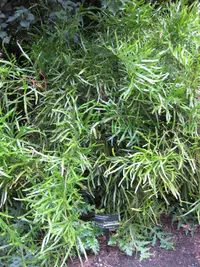
Insert slim stakes or a low wire hoop and loosely tie taller, older stems to prevent breakage and keep the plant upright as the canes elongate and become more brittle.

Basal stem renewal

Each spring, cut a few of the oldest, woody stems back close to the base to stimulate new shoots and keep the plant dense rather than sparse and top-heavy.

Container size control

Use a relatively shallow yet wide container and up-pot only one size at a time to limit excessive root run, which helps maintain a compact plant with sturdier stems when growing tapeworm plant.

Preventing salt buildup

Every 2–3 months, take the pot to a sink and slowly run water through the soil until it drains freely to flush out accumulated fertilizer salts that can scorch fine roots and stem bases.

Common Pests and Diseases

Mealybugs

This pest feeds on stems and flattened branches, often hiding in crevices along the jointed segments. Symptoms include white cottony clumps, sticky honeydew, and slow, weak growth.

Solution

Isolate the plant, then dab visible insects with cotton swabs dipped in 70% isopropyl alcohol and gently wipe affected areas. Follow with a thorough spray of insecticidal soap or a light horticultural oil, repeating every 7–10 days until no new mealybugs appear, and improve air circulation to reduce reinfestation risk.

Scale insects

These insects attach tightly along the flat, ribbon-like stems and can be mistaken for small bumps or scabs. Symptoms include yellowing or thinning segments, sticky residue, and sooty mold developing on the honeydew they excrete.

Solution

Scrape off individual scale insects with a fingernail or soft brush, then wipe stems with a cloth lightly moistened with 70% isopropyl alcohol. For larger infestations, apply horticultural oil or insecticidal soap to fully coat stems, repeating applications per label directions and keeping the plant out of direct hot sun during treatment.

Spider mites

This pest is favored by warm, dry indoor air and can colonize the narrow, flattened stems. Symptoms include fine webbing, tiny pale speckles, and an overall dusty, dull appearance of the plant.

Solution

Rinse the plant thoroughly under a gentle shower or hose, focusing on stem undersides, then allow it to dry with good airflow. Follow with repeated applications of insecticidal soap or neem oil every 5–7 days, and maintain slightly higher humidity and regular rinsing as part of routine tapeworm plant indoor care.

Aphids

These insects cluster at the tips of new growth and soft nodes, sucking sap from tender segments. Symptoms include distorted new growth, sticky honeydew, and possible presence of ants farming the aphids.

Solution

Spray the plant with a firm stream of water to knock off colonies, then treat remaining insects with insecticidal soap, ensuring full coverage of young stems and nodes. Repeat treatments weekly until no aphids are visible and remove heavily infested stem tips to reduce population quickly.

Botrytis blight

This disease develops readily on dense, poorly ventilated plants, especially where older stems trap moisture. Symptoms include soft, water-soaked patches on stems that turn brown and develop gray, fuzzy mold under humid conditions.

Solution

Cut off and discard all affected stems, using clean, disinfected tools, and avoid wetting the foliage when watering. Improve air circulation, reduce crowding, keep the plant in brighter light, and if conditions stay very humid, consider a preventive spray with a labeled fungicide suitable for ornamental foliage plants.

Interesting Facts

Flattened leafless stems

This species has highly flattened, ribbon-like green stems that perform photosynthesis instead of leaves, a trait known as phylloclady, which reduces water loss in its native habitats.

Nighttime stem droop

The stems often shift position and appear more lax or drooping at night, then regain more turgid posture by day as light-driven water movement and cell pressure change within the tissues.

Dioecious flowering habit

Individual plants are typically either male or female, producing small, separate unisexual flowers, so seed production usually requires pollen transfer between two different plants.

Botan icon

Did you know?

In some Pacific island habitats, this species can form low, tangled stands over rocky or disturbed ground, helping stabilize thin soils and occupy exposed niches where many broad-leaved plants struggle to survive.

FAQs about tapeworm plant

This species performs best outdoors in mild, frost-free climates where light and airflow are higher. Indoors it stays smaller and may grow slowly, but tapeworm plant indoor care is possible under bright conditions and stable warmth.

Grow Healthy Plants with Botan Care

Keep your plants happy and healthy with plant identification, disease detection, and easy care guidance.

Botan plant care app — identify plants on mobile

Explore More Plants