


Stabilize top-heavy stems
As stems elongate and become top-heavy, backfill around the base with fresh gritty mix and use a low, discrete stone or cactus ring to brace clusters so they do not topple and snap at the roots.

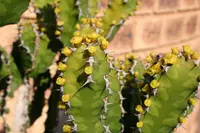
Natal Noors, known botanically as Euphorbia pseudocactus, is a succulent shrub that mimics the look of a small, many-ribbed cactus. Its upright, segmented stems are often green with mottled patterns and small spines, giving it a strong architectural presence in containers or rock gardens.
This species is native to South Africa, where it grows in dry, sunny habitats with well-drained, sandy soils. It stores water in its stems and is quite tolerant of drought, but sensitive to overwatering and poor drainage.
For those learning how to care for Natal Noors, its slow growth, compact size, and preference for bright light and lean, gritty soil generally make it a manageable plant for indoor collections.

Care Difficulty
Easy Care

Light Preference
Full Sun

Water Requirements
Low Water

Temperature Preference
Tropical / Frost Sensitive

Hardiness Zone
10–11

Soil Texture
Sandy, Loamy, Rocky

Soil pH
Slightly acidic (6.5–7.0), Neutral (7.0)

Soil Drainage
Well-drained

Fertilization
Minimal (feed rarely)
Scan your plant to receive care tips personalized for your specific plant
Available on iOS and Android
This succulent thrives in bright, indirect light with some gentle direct sun each day.
This Euphorbia prefers infrequent, deep watering and thorough drying between waterings.
This species prefers warm, dry conditions and is sensitive to cold and frost.
This species tolerates typical indoor humidity and rarely needs special humidity management.
This succulent needs very fast-draining, airy soil to prevent root and stem rot.
This species is very suitable for container growing due to its compact, upright, succulent form.
This succulent needs modest feeding to maintain steady growth in containers.
Light pruning helps keep Euphorbia pseudocactus compact and healthy in indoor collections.
Container-grown plants benefit from infrequent but careful repotting to refresh soil and manage size.
New Euphorbia pseudocactus plants are most often produced from stem cuttings rather than seed.
This species is frost-sensitive and needs controlled conditions in cooler climates.

Plant Health Check
Not sure what's wrong with your plant? Check your plant's health inside the app.
This species is a succulent spurge from South Africa that has evolved thick, jointed, angled stems and spine-like structures which closely mimic true cacti, even though it belongs to a completely different plant family (Euphorbiaceae, not Cactaceae).
Its stems exude a white latex sap that is irritating and potentially toxic if ingested or if it contacts eyes or broken skin, a common defensive trait among spurges but particularly notable in this species because of its frequent confusion with harmless ornamental cacti.
In cultivation the plant often shows irregular, mottled green and yellow banding along the stems, and some selected forms display stable variegation, which makes Euphorbia pseudocactus care instructions for light exposure especially important to avoid scarring or sunburn on the lighter tissue.

In its native habitat in the Eastern Cape region of South Africa, this species typically grows among rocky scrub and thicket vegetation, where its cactus-like form and coloration help it visually blend into arid surroundings and likely reduce herbivore attention by resembling spiny desert cacti.
This species usually grows better outdoors in warm, bright, dry conditions similar to its native habitat. Indoors it stays smaller and needs very strong light and excellent drainage to avoid weak, elongated stems and rot problems associated with Euphorbia pseudocactus care.
Keep your plants happy and healthy with plant identification, disease detection, and easy care guidance.

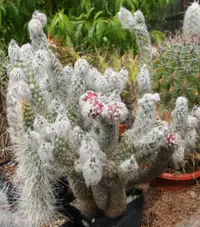
Austrocylindropuntia vestita
Austrocylindropuntia vestita
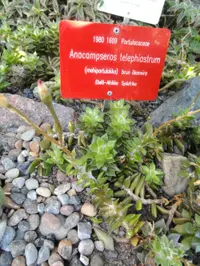
Large-flowered Sandrose
Anacampseros telephiastrum
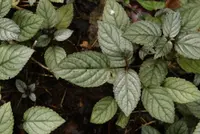
Waffle plant
Strobilanthes alternata
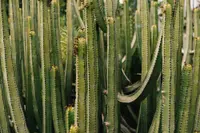
Elephant cactus
Pachycereus pringlei
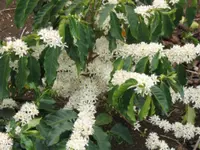
Arabica coffee
Coffea arabica
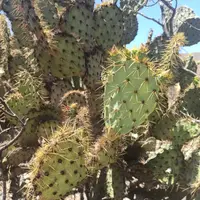
Engelmann's Prickly Pear
Opuntia engelmannii
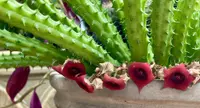
Red Dragon Flower
Huernia schneideriana
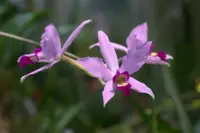
Laelia anceps
Laelia anceps