


Shallow pot choice
Use a wide, shallow clay pot rather than a deep one to support the clustering habit, improve root aeration, and reduce the risk of water lingering around the base of the stems.

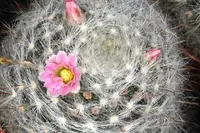
Mammillaria glassii is a small, clustering cactus species valued for its dense, soft, white spines that give each stem a fuzzy, cushion-like look. It usually stays compact, forming low mounds that suit windowsills, small containers, and dish gardens.
This species is native to arid regions of northeastern Mexico, where it grows on rocky slopes with excellent drainage and intense sun. Its slow growth, drought tolerance, and modest size make it relatively easy for indoor growers who learn how to care for Mammillaria glassii. It prefers bright light, low to moderate watering, and a very free-draining, mineral-rich soil mix.

Care Difficulty
Moderate Care

Light Preference
Full Sun

Water Requirements
Low Water

Temperature Preference
Tropical / Frost Sensitive

Hardiness Zone
10–11

Soil Texture
Sandy, Rocky, Loamy

Soil pH
Slightly acidic (6.5–7.0), Neutral (7.0)

Soil Drainage
Well-drained

Fertilization
Minimal (feed rarely)
Scan your plant to receive care tips personalized for your specific plant
Available on iOS and Android
This small cactus prefers bright, direct light but needs some protection from harsh summer sun.
This species needs infrequent, thorough watering with fast drainage to avoid root rot.
This cactus prefers warm, dry air and cool but frost-free winters.
This cactus prefers dry air and usually thrives in typical indoor humidity.
Use a very fast-draining, mineral-heavy mix to prevent root and stem rot.
This species is well suited to container growing.
This small cactus benefits from light feeding but grows acceptably with minimal fertilizer in lean soil.
This species needs almost no structural pruning and is usually limited to hygiene and safety trimming.
This cactus prefers to stay slightly rootbound and only needs infrequent repotting in a suitable gritty mix.
This cactus is commonly propagated from offsets and seeds under warm, bright, and dry-leaning conditions.
Cool, dry winter conditions are important for healthy dormancy and reliable flowering in this cactus.

Plant Health Check
Not sure what's wrong with your plant? Check your plant's health inside the app.
This species forms a dense, white covering of fine radial spines that gives the stems a cottony appearance, helping to reflect intense sunlight and reduce water loss in its native habitats of Nuevo León and Coahuila in northeastern Mexico.
Instead of staying as a single stem, it slowly offsets to form tight cushion‑like clusters, which in nature help stabilize the plant on rocky slopes and spread the risk of damage across many heads.
In favorable conditions, it produces small pink to lilac flowers arranged in a ring near the stem apex, a floral pattern typical of many Mammillaria species but especially ornamental in this fine‑spined, compact cactus, making it popular among growers interested in Mammillaria glassii care.

Mammillaria glassii was described relatively recently in botanical terms, in the mid‑20th century, and its very limited natural distribution in mountainous areas of northeastern Mexico has led many cactus enthusiasts to regard it as a locality‑sensitive species that should be sourced only from cultivated, not wild‑collected, material.
This cactus usually blooms in late spring to early summer, producing small funnel-shaped pink to pale magenta flowers in a crown around the stem. Flowers contrast strongly with the white, hair-like spines, creating a ring effect.
Keep your plants happy and healthy with plant identification, disease detection, and easy care guidance.

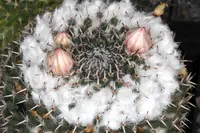
Mammillaria formosa
Mammillaria formosa
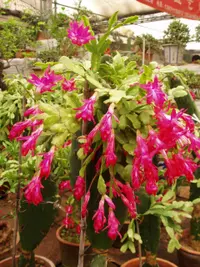 POPULAR
Thanksgiving Cactus
Schlumbergera truncata
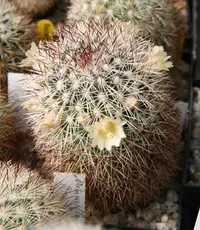
Mammillaria densispina
Mammillaria densispina
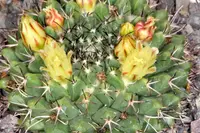
Mammillaria karwinskiana
Mammillaria karwinskiana
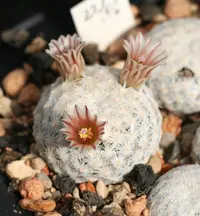
lacespine nipple cactus
Mammillaria lasiacantha
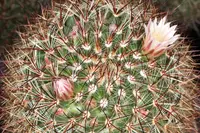
Mammillaria discolor
Mammillaria discolor
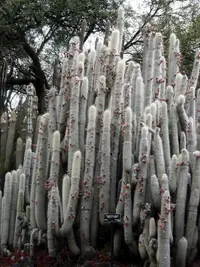
Silver torch cactus
Cleistocactus strausii
 POPULAR
Baseball Plant
Euphorbia obesa