Mammillaria formosa Care

Mammillaria formosa

About Mammillaria formosa

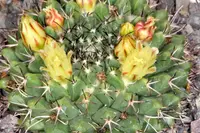
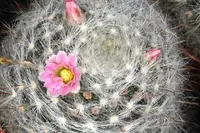
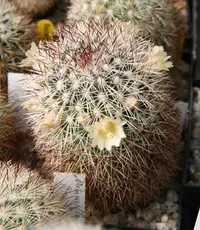
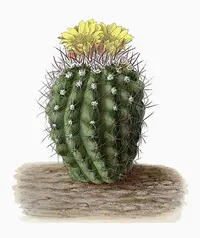
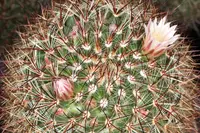
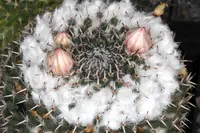
Mammillaria formosa is a small globular cactus known for its dense white spines that create a neat, symmetrical cushion. Plants often form tight clusters over time, giving a compact, sculptural look. Native to arid regions of Mexico, it is adapted to strong light and dry conditions with minimal rainfall. This species produces small funnel-shaped flowers, usually white to pink, that ring the stem near the top. It is generally considered easy to grow for anyone who wants to care for Mammillaria formosa, as long as it receives bright light, very well-drained gritty soil, and careful, infrequent watering to avoid rot.

Main Plant Requirements

Care Difficulty

Easy Care

Light Preference

Full Sun

Water Requirements

Low Water

Temperature Preference

Warm Climate

Hardiness Zone

9–11

Soil Texture

Sandy, Loamy, Rocky

Soil pH

Slightly acidic (6.5–7.0), Neutral (7.0)

Soil Drainage

Well-drained

Fertilization

Minimal (feed rarely)

Get Personalized Care Plan

Scan your plant to receive care tips personalized for your specific plant

Available on iOS and Android

How to Care for the Mammillaria formosa

This small desert cactus needs bright light and some direct sun to stay compact and flower well.

  • Provide 4–6 hours of direct sun daily, ideally gentle morning sun with bright, filtered light or light shade in the harsher afternoon hours.
  • Outdoors, place in an open, unobstructed spot; it tolerates light partial shade but may elongate and flower less if light drops too much.
  • In very hot climates, protect Mammillaria formosa from intense midsummer afternoon sun to prevent yellowing, corky patches, or scorching of the stems.

This cactus stores water in its tissues and prefers thorough but infrequent watering in fast-draining soil.

  • Water only when the top 3–5 cm of soil are completely dry, then soak the root zone and let excess drain away fully.
  • Reduce watering sharply in fall and keep almost dry in winter; slight wrinkling of the stem is safer than persistently damp soil for Mammillaria formosa.
  • Watch for signs of overwatering such as blackened bases, soft spots, or a sour smell, and improve drainage with gritty, mineral-rich substrate.

This species prefers warm, dry conditions and tolerates a notable range of temperatures if kept frost-free.

  • Aim for active growth temperatures around 70–85°F (21–29°C), with cooler, drier rest conditions in winter around 50–60°F (10–16°C).
  • Protect from frost; short dips to about 40°F (4°C) are often tolerated if completely dry, but repeated freezing can scar or kill tissue.
  • In hot weather above 95°F (35°C), ensure good air movement and some afternoon shade to prevent overheating and sun stress.

This cactus handles dry indoor air well, so humidity is rarely a concern.

This species needs a very fast-draining, mineral-based substrate to prevent root rot.

  • Use a gritty, sandy mix such as 50–70% inorganic material (pumice, coarse sand, or small gravel) with 30–50% cactus potting mix.
  • Aim for slightly acidic to neutral pH around 6.0–7.0, avoiding very acidic or heavy organic substrates.
  • Increase aeration by using large particle sizes (3–6 mm) and avoiding fine peat that compacts and holds excess water.
  • For Mammillaria formosa, keep the root zone shallow and free-draining, never allowing the mix to stay wet for more than 1–2 days.

This species is very suitable for container growing due to its compact, clumping habit.

  • Choose a wide, shallow pot so the shallow root system fills the container without leaving deep, wet zones at the bottom.
  • Select unglazed terracotta if extra moisture loss is needed, as the porous walls help dry the mix faster in cool or dim locations.
  • Ensure drainage holes stay clear by covering them with a curved mesh or shard that supports the mix but lets water exit rapidly.

This small cactus needs only light feeding to stay healthy in containers or rock gardens.

  • Use a balanced, low-nitrogen cactus fertilizer (for example 5-10-10) or diluted general-purpose liquid feed.
  • Apply at 1/4–1/2 strength every 4–6 weeks during the warm growing season only.
  • Do not fertilize in winter dormancy, especially if Mammillaria formosa is kept cool and fairly dry.
  • Avoid rich compost or frequent feeding, which can cause weak, elongated growth and root issues.

This cactus requires almost no structural pruning, only occasional cleanliness and health maintenance.

  • Best time for any work is late spring to early summer, when growth is active and wounds heal faster.
  • Gently remove dead, dried, or diseased stems and spent flowers using clean, sharp scissors or small pruners.
  • Trim only obviously damaged or rotting tissue; excessive cutting can distort the natural clumping form.
  • Brush away old, stuck debris between tubercles using soft tweezers or a brush to reduce rot and pests.

Container-grown plants benefit from infrequent repotting into fresh, fast-draining cactus mix.

  • Plan to repot every 3–4 years, or when roots circle the pot, drainage slows, or growth noticeably stalls.
  • Carry out repotting in late spring, allowing Mammillaria formosa to recover quickly in warm, bright conditions.
  • Loosen the old root ball gently, remove decayed roots, and place the plant in a slightly larger pot with dry mix.
  • After repotting, keep soil dry for 5–7 days, then water lightly to reduce root stress and limit rot risk.

This species is commonly propagated from offsets, with seeds used mainly for larger-scale growing.

  • Detach firm side offsets in late spring or early summer using a sterile knife, keeping areoles intact.
  • Let cut surfaces dry and callus for several days in a shaded, airy place before planting.
  • Set offsets on barely moist, gritty cactus mix, keeping them warm (70–80°F) and in bright, indirect light.
  • For seed, sow on sterile, fine cactus mix, keep lightly moist, and provide warmth and bright filtered light.

This cactus prefers a cool, dry winter rest and is sensitive to prolonged freezing.

  • Maintain winter temperatures around 45–55°F indoors, avoiding drafts and damp conditions around the roots.
  • Keep soil almost completely dry from late fall to early spring to prevent rot during dormancy.
  • In cold regions, move outdoor containers indoors or into an unheated, frost-free greenhouse before hard frost.
  • If grown in the ground in mild climates, ensure excellent drainage and use a mineral mulch around the base.

Care Tips

Rotate Clumps Regularly

Turn the pot 90° every 2–3 weeks so all sides receive similar light, which keeps the clump symmetrical and prevents individual stems from stretching toward one direction.

Use Top Dressing

Apply a 0.5–1 cm layer of clean pumice, grit, or fine gravel on the soil surface to keep the stem base dry, reduce fungus gnat breeding, and improve air flow around the collar of the plant.

Controlled Offshoot Removal

When offsets crowd the main stem, gently twist them off with sterile tongs during active growth, then let the wounds callus in a dry, bright place for several days before replanting or returning the pot to normal watering.

Winter Light Boost

In winter, place the plant as close as safely possible to the brightest window or use a small LED grow light for 8–10 hours daily to prevent etiolation and maintain tight, compact growth.

Prevent Mealybug Hiding

Inspect regularly between tubercles and at the stem base, and use a soft brush dipped in 70% isopropyl alcohol to remove any mealybugs before they spread through the dense spines, which is a key step in caring for Mammillaria formosa.

Common Pests and Diseases

Mealybugs

This pest hides in the woolly areoles and between clustered stems, sucking sap and causing shriveling and slow growth. Symptoms include white cottony masses around the base of spines and in tight crevices.

Solution

Isolate the plant, then dab visible mealybugs with cotton swabs dipped in 70% isopropyl alcohol, repeating weekly until no new patches appear. Improve light and airflow, avoid excess fertilizer, and for heavier infestations use a systemic insecticide labeled for cacti, following the product directions carefully.

Red spider mites

These insects thrive on cacti kept too warm and dry, causing a dull, roughened surface and fine speckling on the epidermis. Symptoms include pale, scarred patches between tubercles and sometimes very fine webbing in severe cases.

Solution

Rinse the stems thoroughly with a strong but gentle stream of water to dislodge mites, then increase humidity slightly and improve air circulation without keeping the soil wet. Use a miticide or insecticidal soap labeled for spider mites, applied carefully around the spines and repeated according to label intervals until new damage stops.

Scale insects

This pest appears as small, hard, brown or gray bumps on stems and between tubercles, where it feeds on sap and weakens the plant. Symptoms include sticky honeydew and sometimes sooty mold on nearby surfaces.

Solution

Scrape or gently pry off individual scales with a soft brush or toothpick, taking care not to damage the skin. Treat remaining insects by dabbing with 70% isopropyl alcohol or using a systemic insecticide, and reduce plant stress by providing strong light and infrequent, thorough watering as part of basic Mammillaria formosa care.

Corky scab lesions

This disease is often linked to minor mechanical damage or stress, leading to localized brown, corky patches on the lower or outer parts of older stems. Symptoms include firm, dry, non-spreading lesions that give the plant a rough, scabbed appearance.

Solution

Remove any actively soft or spreading tissue with a sterile blade, but leave dry, stable corking in place as it is mostly cosmetic. Improve cultural conditions with bright light, careful watering, and good air movement to reduce further stress and secondary infections, and avoid handling or bumping the plant unnecessarily.

Fusarium stem rot

This disease is caused by soilborne fungi that enter through wounds or overly wet roots, leading to sunken, discolored areas and internal brown or reddish tissue. Symptoms include soft, collapsing sections of the stem that progress rapidly in warm, wet conditions.

Solution

At the first sign of soft rot, cut away affected tissue well into healthy, firm tissue using a sterile knife, and dust cuts with a dry sulfur or copper-based fungicide. Allow the plant or healthy offsets to callus in a dry, bright place for several days, then replant in fresh, sharply draining cactus mix and adjust watering so the soil dries completely between waterings.

Interesting Facts

Cluster-forming growth

This species naturally offsets from the base to form tight, cushion-like clumps that can eventually cover a wide area, a growth pattern that differs from many solitary Mammillaria species.

Distinctive radial spines

Its white, star-shaped radial spines densely cover the stems and can visually obscure the green tissue beneath, an adaptation that helps shield the plant from intense sunlight in its native habitats in central Mexico.

Late winter flowering

It often produces a ring of small, pale pink to whitish flowers near the stem apex in late winter to early spring, even on relatively small, young plants under suitable conditions.

Botan icon

Did you know?

Mammillaria formosa has been used extensively in hybridization within the genus because of its compact clustering habit and free-flowering nature, contributing traits valued by collectors and cactus breeders seeking stable, miniature ornamental forms.

FAQs about Mammillaria formosa

Lack of flowers often comes from insufficient light, no cool dry rest in winter, or overfeeding with nitrogen. Provide strong light, a cooler, drier winter period, and avoid frequent repotting to encourage buds.

Grow Healthy Plants with Botan Care

Keep your plants happy and healthy with plant identification, disease detection, and easy care guidance.

Botan plant care app — identify plants on mobile

Explore More Plants