Long Nipple Cactus Care (Mammillaria longimamma)

Long Nipple Cactus

About Long Nipple Cactus

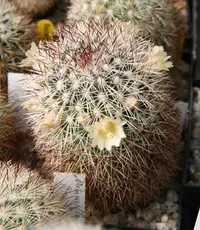
Mammillaria longimamma, commonly called long nipple cactus, is a small clustering cactus known for its long, finger-like tubercles and bright yellow flowers. It forms low, rounded clumps that slowly expand over time, making it suitable for containers and small indoor displays.

This species is native to arid regions of central Mexico, where it grows in rocky, well-drained soils with strong light and infrequent rainfall. It is considered relatively easy to grow, as long as excess moisture is avoided and the soil drains very quickly.

For those learning how to care for Long Nipple Cactus, its main needs are bright light, careful watering, and a gritty, mineral-rich cactus mix.

Main Plant Requirements

Care Difficulty

Easy Care

Light Preference

Full Sun

Water Requirements

Low Water

Temperature Preference

Warm Climate

Hardiness Zone

9–11

Soil Texture

Sandy, Loamy, Rocky

Soil pH

Slightly acidic (6.5–7.0), Neutral (7.0)

Soil Drainage

Well-drained

Fertilization

Minimal (feed rarely)

Get Personalized Care Plan

Scan your plant to receive care tips personalized for your specific plant

Available on iOS and Android

How to Care for the Long Nipple Cactus

This cactus needs bright, mostly direct light to stay compact and flower well.

  • Provide 6–8 hours of direct sun daily, ideally with morning sun and some light afternoon shade, especially in hot, dry regions.
  • Outdoors, place Long Nipple Cactus where it gets unshaded eastern or southern exposure; indoors, use the brightest south- or west-facing window.
  • Watch for stress: bleached, yellow patches indicate sunburn from harsh midday summer sun, while stretched, elongated growth signals insufficient light.

Mammillaria longimamma prefers infrequent, deep watering with thorough drying between soakings.

  • In the growing season, water only when the top 3–5 cm of soil are completely dry, soaking the root zone, then draining fully.
  • Use a very fast-draining, gritty mix; standing water or a heavy soil strongly increases the risk of root rot and stem softening.
  • Reduce watering sharply in fall and keep almost dry in winter; wrinkles and slight softness suggest thirst, while blackened, mushy tissue signals overwatering.

This species thrives in warm, dry conditions and dislikes frost and prolonged damp cold.

  • Aim for 70–85°F (21–29°C) in the active growing season, with good air movement to prevent heat buildup and fungal issues.
  • Protect from temperatures below 40°F (4°C); brief dips to 32°F (0°C) may be survived if completely dry, but frost can scar or kill tissue.
  • In winter rest, cooler, bright conditions around 50–60°F (10–16°C) are acceptable, but avoid combined cold and wet, which promotes root and stem rot.

This cactus is adapted to low humidity and rarely needs special moisture adjustments indoors.

  • Target 20–40% humidity, similar to dry indoor air in heated or air-conditioned homes.
  • It tolerates drier air well, but prolonged exposure above 60% can encourage rot at the stem base.
  • Signs of humidity stress include soft, pale tissue and lingering surface dampness; improve air flow and reduce nearby water sources rather than misting Long Nipple Cactus.

This species needs a very fast-draining, mineral-rich substrate that dries quickly between waterings.

  • Use a sandy, gritty mix such as 50–70% inorganic material (pumice, coarse perlite, grit, or small lava rock) blended with 30–50% cactus potting mix.
  • Aim for slightly acidic to neutral pH, around 6.0–7.0, which supports nutrient availability without encouraging rot organisms.
  • Increase aeration by using large, irregular particles (3–6 mm) that create air pockets and prevent fine peat from compacting around roots.
  • Avoid dense, peat-heavy, or water-retentive mixes and never use soil taken directly from the garden, which typically drains too slowly for Mammillaria longimamma.

This cactus is very suitable for container growing due to its compact, clumping habit.

  • Choose a wide, shallow pot that allows lateral clump expansion while limiting excess depth that would hold water around the roots.
  • Select unglazed terracotta if extra evaporation is needed, as it wicks moisture faster than plastic and helps the mix dry evenly.
  • Place the pot where it cannot be knocked, since offset clusters become heavier on one side and can tip light containers over time.

This cactus benefits from modest feeding during active growth but is sensitive to excess nutrients.

  • Use a low-dose balanced cactus fertilizer (around 10-10-10) or diluted general balanced NPK at 1/4–1/2 strength in spring–summer.
  • Feed every 4–6 weeks during the growing season when Mammillaria longimamma shows active new growth.
  • Avoid organic composts that stay wet; choose mineral, fast-draining mixes instead of heavy soil amendments.
  • Stop feeding in fall–winter to support a cool, dry rest period and reduce rot risk.

Pruning needs for Mammillaria longimamma are minimal and mainly hygienic.

  • Carry out any pruning in late spring–summer when the plant is actively growing.
  • Remove only dead, shriveled, or damaged stems and spent flowers using clean, sharp scissors or pruning snips.
  • Limit thinning to crowded, poorly attached offsets that trap moisture, helping maintain good airflow and form.
  • Avoid shaping cuts into healthy tissue, as this cactus naturally forms attractive clumps without cosmetic pruning.

This cactus grows slowly and needs infrequent repotting but benefits from occasional renewal of its gritty mix.

  • Repot every 3–4 years or when roots circle the pot base, growth slows, or the plant becomes top-heavy.
  • Choose late spring as the best time to repot Long Nipple Cactus, aligning with the start of active growth.
  • Use a shallow pot with large drainage holes and a very free-draining cactus mix with added mineral grit.
  • Unpot gently, remove loose soil without breaking roots, let any damage callus 1–2 days, then replant and keep dry for about a week.

Propagation is commonly done from offsets and seeds, allowing gradual clump expansion.

  • Separate firm, well-formed offsets in late spring–early summer using a sterile knife and gentle leverage.
  • Let cut surfaces dry and callus for several days in a warm, shaded place before planting in dry, gritty cactus mix.
  • Provide bright, indirect light and very light misting until roots form, then water sparingly but deeply.
  • For seeds, sow on a sterile, sandy mix, keep at 70–80°F with bright shade, and maintain barely moist conditions until germination.

Winter care focuses on keeping this frost-sensitive cactus cool, dry, and above freezing.

  • Keep temperatures around 45–55°F in winter and avoid exposure below 32°F, as tissue damage occurs quickly.
  • Move container plants indoors or into an unheated bright room or greenhouse before the first hard frost.
  • Water very lightly or not at all in winter, ensuring soil stays mostly dry to prevent root and stem rot.
  • In very cool sites, place pots on insulating material and away from cold window glass or drafts for added protection.

Care Tips

Cluster support

As the plant forms large, heavy clusters, place a ring support or small stones around the base to prevent individual heads from snapping off under their own weight or during handling.

Controlled offset removal

When removing offsets for propagation, use a sterile, thin-bladed knife and allow cut surfaces on both mother plant and pup to dry and callus for 5–7 days before replanting to reduce rot risk.

Targeted spring watering

At the start of active growth, give a slightly deeper single watering after a dry winter rest to signal the plant to resume root activity, then immediately return to a lean, infrequent schedule.

Flowering season protection

During bud formation and flowering, protect the plant from heavy rain or overhead watering by moving containers under cover so that water does not collect between the long tubercles and cause fungal spots.

Careful handling

Use folded newspaper, silicone tongs, or thick gloves when repotting or inspecting the plant to avoid damaging the soft tubercles, which helps maintain plant shape and reduces infection risk when caring for Long Nipple Cactus.

Common Pests and Diseases

Mealybugs

This pest feeds on the soft tissue between the elongated tubercles and at the stem base, often hiding deep in the cactus clusters. Symptoms include white cottony masses, stunted growth, and sticky honeydew that can lead to sooty mold.

Solution

Isolate the plant, then use a cotton swab dipped in 70% isopropyl alcohol to dab visible insects, repeating weekly until gone. Improve light and airflow, and if the infestation is larger, apply a systemic insecticide labeled for cacti, ensuring the soil is not waterlogged during treatment.

Spider mites

These insects thrive on Mammillaria longimamma in very dry, warm air, causing faded or rusty patches on the stems and fine webbing between tubercles. Symptoms include a dull, speckled appearance and slowed growth.

Solution

Rinse the plant gently with a strong but controlled stream of water, focusing on crevices where mites hide, and slightly increase ambient humidity without wetting the soil excessively. For persistent problems, use a miticide or insecticidal soap labeled for indoor ornamentals, applied in repeated treatments to break the life cycle.

Scale insects

This pest appears as small, hard, brown or gray bumps on the ribs and around the plant base, often mistaken for natural tissue. Symptoms include yellowing, weak growth, and sticky honeydew on nearby surfaces.

Solution

Manually remove individual scales with a soft toothbrush or cotton swab dipped in 70% isopropyl alcohol, taking care not to damage the tubercles. After physical removal, apply a systemic insecticide or horticultural oil suitable for cacti, and monitor new growth regularly for recurrence as part of Mammillaria longimamma care.

Corky scab

This disease causes localized brown, dry, corky patches on the lower parts of the stems where water or condensation often sits. Symptoms include rough, scar-like areas that do not rub off but may slowly enlarge if excess moisture and low airflow persist.

Solution

Trim away only severely damaged tissue if soft or sunken, then adjust cultural conditions by lowering humidity, watering less frequently, and improving air circulation around the plant. Keep the stem surface dry, avoid overhead watering, and place the cactus in bright, airy conditions to stop progression, as existing scars will remain but new growth can stay healthy.

Soft bacterial rot

This disease starts at mechanical wounds or the plant base and leads to wet, foul-smelling, translucent tissue that collapses quickly. Symptoms include sudden stem softening and discoloration spreading from a single point.

Solution

Remove the plant from the pot, cut away all affected tissue with a sterile blade until only firm, healthy tissue remains, and discard contaminated soil. Dust cuts with sulfur or a dry fungicidal powder, allow to dry and callus for several days, then replant in fresh, very well-draining cactus mix and reduce watering to prevent re-infection.

Interesting Facts

Finger-like tubercles

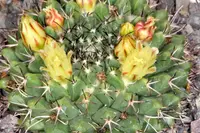
This species has unusually long, soft, finger-like tubercles instead of pronounced ribs, a feature that inspired its name longimamma, meaning long breast in Latin.

Large yellow flowers

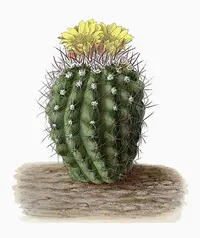
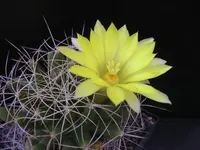
It produces relatively large, bright yellow, funnel-shaped flowers that can almost hide the small body of the plant when blooming in late spring to early summer.

Clumping growth habit

Over time, it forms dense clumps of many heads, each made of elongated tubercles radiating from a small base, which helps stabilize the plant on rocky slopes in its native habitat.

Botan icon

Did you know?

In its native range in central Mexico, this cactus often grows partly shaded among rocks and shrubs, an unusual preference for a cactus and one reason it benefits from protection from intense midday sun in cultivation.

FAQs about Long Nipple Cactus

This species usually blooms in late spring to early summer, producing bright yellow, funnel-shaped flowers near the stem tips. Individual blooms are relatively large for the plant’s size and often appear in a loose ring around the crown.

Grow Healthy Plants with Botan Care

Keep your plants happy and healthy with plant identification, disease detection, and easy care guidance.

Botan plant care app — identify plants on mobile

Explore More Plants