twin spined cactus Care (Mammillaria geminispina)

twin spined cactus

About twin spined cactus

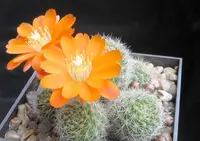
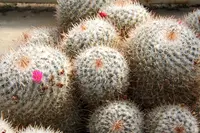
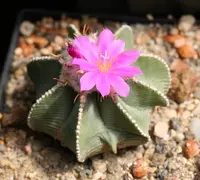
Mammillaria geminispina, commonly called the twin spined cactus, is a small, clustering cactus known for its dense white spines and rounded stems. Over time it forms attractive mounds that stay compact, making it suitable for containers and small indoor displays.

This species is native to central Mexico, where it grows in rocky, well-drained habitats with strong sun and low rainfall. It is generally considered easy to grow if given bright light, gritty soil, and careful watering. For many beginners, learning how to care for twin spined cactus offers a straightforward introduction to cactus cultivation.

Its slow growth, drought tolerance, and neat shape make it a low-maintenance choice, provided it is not overwatered or kept in heavy, moisture-retentive soil.

Main Plant Requirements

Care Difficulty

Easy Care

Light Preference

Full Sun

Water Requirements

Low Water

Temperature Preference

Warm Climate

Hardiness Zone

9–11

Soil Texture

Sandy, Loamy, Rocky

Soil pH

Slightly acidic (6.5–7.0), Neutral (7.0)

Soil Drainage

Well-drained

Fertilization

Minimal (feed rarely)

Get Personalized Care Plan

Scan your plant to receive care tips personalized for your specific plant

Available on iOS and Android

How to Care for the twin spined cactus

Mammillaria geminispina prefers bright, direct light but benefits from some protection during the hottest hours.

  • Provide 4–6 hours of direct morning sun plus bright, filtered light for the rest of the day, especially in hot summer climates.
  • Offer light afternoon shade or thin sheer cover outdoors to prevent scorching and bleaching of the twin spined cactus epidermis in intense sun.
  • In winter, move the plant to the brightest possible spot, as low light leads to elongated, weak growth and sparse flowering.

Mammillaria geminispina needs infrequent, thorough watering with a strong focus on fast drainage.

  • Water only when the top 3–5 cm of soil are completely dry, then soak the root zone once and let all excess drain away.
  • Use a very gritty, fast-draining mix; persistent dampness, yellowing tissue, and a soft base indicate early rot from overwatering.
  • In spring–summer, expect more frequent drying; in fall–winter, water sparingly and watch for wrinkling or slight shrinkage as a cue to water.

This cactus prefers warm, dry conditions and does not tolerate prolonged frost.

  • Aim for active growth temperatures around 70–85°F (21–29°C), with cooler, drier rest conditions around 55–65°F (13–18°C) in winter.
  • Protect from frost; short dips to about 28–32°F (-2–0°C) may be survived if soil is dry, but repeated freezes damage tissue.
  • In hot spells above 95°F (35°C), increase air movement and provide light afternoon shade to limit heat stress and sunscald.

This cactus prefers dry air and rarely needs extra humidity in homes.

  • Aim for 30–50% humidity, similar to most heated indoor rooms.
  • Dry air is well tolerated; problems arise mainly if humidity stays above 60% with poor air movement.
  • High humidity stress shows as soft, pale, or rotting stems; improve airflow and keep the twin spined cactus away from kitchens or bathrooms.

Use a fast-draining, mineral-heavy mix to protect Mammillaria geminispina roots from excess moisture.

  • Choose a gritty, sandy substrate with coarse particles so water drains within seconds of watering.
  • Mix roughly 30–40% cactus potting mix with 60–70% mineral materials such as pumice, perlite, and coarse sand for strong aeration.
  • Keep pH slightly acidic to neutral, about 6.0–7.0, which suits most tap water conditions in the US.
  • Avoid peat-heavy, compact, or moisture-retentive mixes; they hold water around the roots and greatly increase rot risk.

This species is very suitable for container growing due to its compact clustering habit.

  • Select a shallow, wide pot so the shallow roots can spread while clusters have lateral space to expand.
  • Use clay or terracotta containers to allow moisture to evaporate faster and keep the root zone drier between waterings.
  • Ensure drainage holes are fully unobstructed and elevate the pot slightly so excess water runs out quickly after watering.

This cactus benefits from light, targeted feeding during active growth but stays compact and healthy with modest nutrition.

  • Use a low-dose balanced cactus fertilizer (for example, diluted 10-10-10 or 20-20-20) or a specialized cactus blend for caring for twin spined cactus.
  • Feed every 4–6 weeks in spring and summer only, when growth is visible and light is strong.
  • Dilute liquid fertilizer to 25–50% of the labeled strength to avoid root burn and salt buildup in the soil.
  • Stop feeding in fall and winter, when the plant rests, to support a defined cool-dry dormancy.

Mammillaria geminispina needs almost no pruning, with attention focused on health and safety rather than shaping.

  • Best time for any cleanup is late spring to early summer, once the risk of cold snaps has passed.
  • Remove dead, diseased, or damaged stems using long tongs and sharp, disinfected scissors or pruning snips.
  • Take off obviously shriveled or rotten offsets at the base to prevent rot from spreading through the cluster.
  • Avoid cosmetic cutting of healthy stems, since this species maintains its natural form without shaping cuts.

This cactus grows slowly and prefers infrequent disturbance, but occasional repotting maintains healthy roots and fresh substrate.

  • Check for roots circling the drainage holes, soil drying extremely fast, or stalled growth as signals it needs a larger pot.
  • Plan to repot every 3–5 years in late spring, into a pot only 1–2 in wider with excellent drainage holes.
  • Use a dry, gritty cactus mix; gently loosen the root ball, remove dead roots, and keep roots mostly intact to limit stress.
  • After repotting, keep the plant dry and shaded for 5–7 days before resuming light watering and full sun exposure.

This species is commonly propagated from offsets and also from seeds when larger numbers of plants are desired.

  • Detach firm, healthy offsets in late spring or early summer using sterilized scissors or a sharp knife.
  • Allow cut surfaces to callus for 3–7 days in a dry, shaded place to reduce the risk of rot.
  • Plant callused offsets in a shallow layer of dry, gritty cactus mix, then wait several days before the first light watering.
  • For seed propagation, sow on the surface of a sterile, well-draining mix, keep at 70–80°F with bright, indirect light, and maintain slight, even moisture until germination.

This cactus is moderately cold sensitive and benefits from a cool, dry rest with protection from freezing conditions.

  • Aim for indoor winter temperatures around 45–55°F with plenty of bright light, preferably a sunny south- or west-facing window.
  • Keep the soil almost completely dry; water only enough to prevent severe shriveling of stems.
  • Move outdoor containers indoors before frost, using gloves and tongs to avoid injury from spines.
  • Ensure the root zone stays dry and well ventilated, avoiding cold, damp conditions that encourage rot.

Care Tips

Rotate For Symmetry

Turn the pot 90° every 2–3 weeks so the clumps receive even light and develop a balanced, round form instead of leaning toward the brightest side.

Use Top Dressing

Apply a 0.5–1 in layer of clean mineral grit (pumice, lava rock, or coarse sand) on the soil surface to keep stem bases dry, reduce algae and fungus gnats, and visually signal when the mix has fully dried.

Secure Clustered Stems

If offsets become top‑heavy, gently tuck a narrow strip of horticultural fleece or soft twine around the base of the clump and anchor it with a few stones to prevent wobbling and root damage when the pot is moved.

Controlled Offset Removal

Detach offsets only when they have visible roots or are at least 1.5–2 cm across, then allow the cut surface to dry and callus for 5–7 days before potting to reduce rot and improve establishment when you grow Mammillaria geminispina.

Cool-Season Resting

In late fall and winter, keep the plant in a bright, cool spot around 50–60°F and avoid watering, which helps induce a proper rest period that improves flowering and maintains the plant’s dense spination pattern.

Common Pests and Diseases

Mealybugs

This pest feeds on cactus sap, often hiding in the woolly areoles and between clustered stems. Symptoms include white cottony masses, stunted growth, and honeydew that can lead to sooty mold.

Solution

Quarantine the plant, then dab visible insects with cotton swabs dipped in 70% isopropyl alcohol and repeat weekly until gone. For dense clumps, use a strong jet of water to dislodge pests, improve light and airflow, and apply a targeted insecticidal soap or neem oil spray, keeping solutions off sensitive flowers and allowing the plant to dry quickly.

Spider mites

These insects thrive on dry, stagnant air around clustered stems, causing fine webbing in the areoles and a dull, speckled surface on the skin. Symptoms include loss of the natural sheen and bronzing or roughening of older segments.

Solution

Increase air movement, lightly mist the air around (not soaking the cactus body) to disrupt mites, and rinse the plant under a gentle but thorough stream of water. Follow with repeated applications of insecticidal soap or a miticide labeled for cacti, carefully coating crevices where stems touch and rotating the plant to reach all sides.

Scale insects

This pest appears as small, hard, brown or gray bumps attached to the ribs and woolly tubercles. Symptoms include yellowing patches, reduced vigor, and sticky residue that may attract mold.

Solution

Manually remove individual scales with a soft brush or toothpick, then wipe affected areas with diluted alcohol to clean off remaining residues. For heavier infestations in tight clusters, use a systemic insecticide labeled for ornamental cacti and avoid overfertilizing, which encourages rapid, soft growth that is more attractive to scale.

Corky scab lesions

This disease is a physiological and sometimes fungal-related disorder that produces dry, tan to brown corky patches on the lower or shaded parts of stems. Symptoms include rough, bark-like tissue that gradually replaces healthy skin, usually following minor injuries, sun stress, or past pest damage.

Solution

Remove only loose, dead tissue and keep the plant in stable, bright but not suddenly intense light to prevent further damage. Improve airflow, avoid wetting the stem surface in cool conditions, and treat any active, spreading lesions with a sulfur or copper-based fungicide, ensuring soil dries adequately between waterings to support general Mammillaria geminispina plant care.

Fusarium stem rot

This disease is caused by soilborne fungi that enter through wounds at the base or between closely packed stems, leading to localized soft, discolored areas. Symptoms include sunken, brown to reddish tissue that may spread internally while the outer skin remains partly firm at first.

Solution

At early stages, cut away all affected tissue with a sterile knife, dust the wounds with a dry sulfur or copper fungicide, and allow them to dry fully before replanting. Discard badly affected plants, use only well-draining mineral cactus mix, clean pots and tools thoroughly, and avoid watering into the crown or on wounds, especially in cool or low-light conditions.

Interesting Facts

Paired spine pattern

This species is named for its distinctive central spines, which typically grow in closely set pairs on each tubercle, creating a very regular geometric pattern across the stem.

Snowy wool covering

Mature plants develop a dense layer of white wool and fine radial spines that can almost hide the green stem, helping reflect strong sunlight in its native Mexican habitats.

Cluster-forming growth

Over time this cactus often offsets freely from the base, forming tight hemispherical clusters that can contain many individual stems in older specimens.

Botan icon

Did you know?

Some populations produce dark purplish-red to magenta fruits that can remain on the plant for a long time, giving clumps a striking contrast of white spines, pink flowers, and jewel-like seed pods all at once.

FAQs about twin spined cactus

Lack of flowers usually comes from insufficient light, no cool dry winter rest, or a plant that is still immature. Older, crowded clumps bloom better. Avoid high nitrogen fertilizer and keep winter nights around 50–60°F and fairly dry.

Grow Healthy Plants with Botan Care

Keep your plants happy and healthy with plant identification, disease detection, and easy care guidance.

Botan plant care app — identify plants on mobile

Explore More Plants