Aztekium hintonii Care

Aztekium hintonii

About Aztekium hintonii

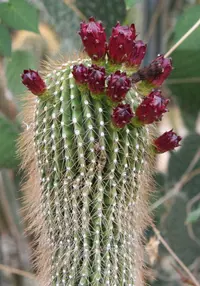
Aztekium hintonii is a small, slow-growing cactus native to steep limestone cliffs in northeastern Mexico. It forms compact, rounded stems with many narrow ribs and a textured, grey-green surface. Spines are usually short and sparse, giving it a sculpted, stone-like look.

This species is highly specialized to its natural habitat and is considered difficult to cultivate long term. Its slow growth, sensitivity to excess water, and need for very mineral, fast-draining soil are the main challenges. Those who want to learn how to care for Aztekium hintonii should understand its preference for bright light, careful watering, and very stable conditions.

Main Plant Requirements

Care Difficulty

Hard Care

Light Preference

Partial Sun

Water Requirements

Low Water

Temperature Preference

Tropical / Frost Sensitive

Hardiness Zone

10–11

Soil Texture

Sandy, Rocky, Loamy

Soil pH

Slightly acidic (6.5–7.0), Neutral (7.0)

Soil Drainage

Well-drained

Fertilization

Minimal (feed rarely)

Get Personalized Care Plan

Scan your plant to receive care tips personalized for your specific plant

Available on iOS and Android

How to Care for the Aztekium hintonii

This small cactus prefers bright but gentle light with some protection from intense midday sun.

  • Provide 4–6 hours of direct early morning or late afternoon sun, plus bright, filtered light for the rest of the day, especially in dry climates.
  • In hot regions, give Aztekium hintonii light shade from around 11 a.m. to 3 p.m. to prevent bleaching, corky patches, and sunburn scars.
  • If growth becomes elongated or pale, increase light gradually over 1–2 weeks, using sheer shade cloth or a bright, east-facing exposure.

Watering must be sparse and controlled to avoid root rot in this slow-growing cactus.

  • Allow the soil to dry completely, at least the top 3–5 cm, before watering again; the plant body should feel firm, not swollen or soft.
  • Use very free-draining, mineral-rich soil and water thoroughly, then let excess drain away; never leave the root zone standing in water.
  • In cool seasons or below 55°F (13°C), reduce watering sharply or stop for several weeks; wrinkles and slight softening signal time for a cautious drink.

This species prefers warm, dry conditions and is sensitive to frost and prolonged cold.

  • Aim for a growing range of 70–85°F (21–29°C) with good airflow; brief peaks to 90°F (32°C) are tolerated if the soil is dry.
  • Protect from temperatures below 45°F (7°C); short dips to 40°F (4°C) may be survived if the plant is completely dry and cold is not prolonged.
  • Over winter, keep cool and dry around 50–60°F (10–16°C) to encourage compact growth and reduce rot risk when growth is minimal.

This cactus thrives in dry air and only needs low ambient humidity.

  • Keep humidity around 20–40% to mimic its arid native habitat.
  • Plant tolerates typical dry indoor air; avoid regular misting or humidifiers.
  • Watch for soft, swollen tissue or pale, stretched growth as signs of excess humidity and improve air movement if seen.

This species requires an extremely mineral, fast-draining substrate to prevent root and stem rot.

  • Use a gritty mix with 70–90% mineral content, such as pumice, lava rock, coarse sand, and fine gravel, with only a small amount of cactus substrate.
  • Aim for slightly alkaline to neutral pH (7.0–8.0), avoiding peat-heavy blends that stay acidic and wet.
  • Create a shallow, firm planting layer so roots anchor into gaps between stones rather than soft, organic material.
  • Avoid any compacted, loamy, or water-retentive mix; water must pass through the pot in seconds when caring for Aztekium hintonii.

This cactus is well suited to container growing due to its slow, compact root system.

  • Choose a shallow, wide pot so the thin roots can spread horizontally through the mineral substrate without deep, wet pockets.
  • Select unglazed terracotta to increase evaporation from the sides and reduce the time water remains around the roots.
  • Top-dress the surface with coarse grit or small stones to stabilize the plant body and prevent fine particles from sealing the surface.

This extremely slow-growing cactus has very low nutrient demand, so Aztekium hintonii should be fed sparingly in containers only.

  • Use a highly diluted balanced cactus fertilizer (for example 1/4-strength 10-10-10) rather than rich compost or organic feeds.
  • Apply once every 6–8 weeks in late spring and summer only, when active growth is most likely.
  • Avoid any feeding in autumn and winter to maintain a cool, dry dormancy period.
  • Water with plain, low-mineral water between feedings to prevent salt buildup in the soil.

Pruning needs are minimal, as Aztekium hintonii maintains its compact shape naturally.

  • Perform any grooming in late spring or early summer, during the active season.
  • Gently remove dead, dried, or diseased tissue with sterile tweezers or a fine blade.
  • Avoid cutting healthy ribs or areoles, as this can scar the plant and slow growth.
  • Brush away old, loose wool or debris to reduce pest harborage without altering the plant’s form.

This cactus prefers to stay undisturbed, so repot Aztekium hintonii only when clearly necessary.

  • Check for roots circling drainage holes, soil that stays wet too long, or stalled growth over several seasons.
  • Plan repotting for late spring, using a shallow pot and very gritty, mineral cactus mix.
  • Handle the root ball gently, keeping as much soil intact as possible to limit root damage.
  • After repotting, keep the plant dry for 7–10 days, then reintroduce light watering gradually.

Propagation of Aztekium hintonii is slow and technically demanding, mainly done from seed.

  • Sow fresh seed in late spring under bright, indirect light and warm, stable temperatures around 70–77°F.
  • Use a sterile, very fine, mineral-based substrate and press seeds onto the surface without covering deeply.
  • Maintain high humidity with a covered tray and provide gentle air movement to reduce damping-off disease.
  • Expect extremely slow development; seedlings may take years to reach transplantable size.

Winter care is crucial, as Aztekium hintonii is not reliably frost hardy in most regions.

  • Keep temperatures around 40–50°F, avoiding exposure near or below freezing, especially for potted plants.
  • Move containers indoors or into a cold greenhouse before the first hard frost is forecast.
  • Provide maximum light and very good air circulation while keeping the plant completely dry.
  • Do not water or fertilize during winter dormancy to prevent root rot in cool conditions.

Care Tips

Deep pot choice

Use a relatively deep, narrow clay pot with a large drainage hole so the long taproot can develop straight down without circling, which greatly reduces stress and rot risk over time.

Fine topdressing layer

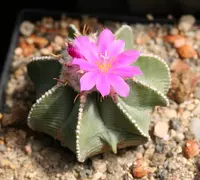
Apply a 0.5–1 cm layer of very fine grit or coarse sand around the stem to keep the neck dry, reduce algae and moss growth, and stabilize the plant in its container.

Root inspection cycle

Repot only every 4–6 years, but when you do, gently bare-root and inspect for taproot damage or corky rot, trimming only with a sterile, very sharp blade and allowing cuts to dry several days before replanting.

Summer rain protection

During warm rainy periods, move the plant under a fixed, sloped cover or cold frame so it receives bright light and airflow but no overhead rain that can saturate the mineral substrate for too long.

Slow acclimation protocol

When adjusting light or moving between indoor and outdoor positions, shift the plant gradually over 10–14 days to avoid epidermis cracking and sunburn, which are slow to heal in this species and complicate caring for Aztekium hintonii.

Common Pests and Diseases

Red spider mites

This pest thrives in hot, very dry conditions and can cause corky scarring and dull, rough patches on the ribs of the cactus. Symptoms include very fine webs in crevices and slow, general decline in vigor.

Solution

Increase air movement, lightly mist the surrounding air without wetting the plant body, and rinse the cactus gently with a soft brush and lukewarm water to remove mites and webbing. If activity persists, apply a targeted miticide or insecticidal soap labeled for cacti, treating crevices carefully and repeating according to label directions.

Mealybugs

These insects hide in rib grooves and at the base of the plant, sucking sap and leaving small cotton-like clusters. Symptoms include stunted growth, yellowing spots, and sooty mold developing on their sticky secretions.

Solution

Isolate the plant, then dab visible mealybugs with cotton swabs dipped in 70% isopropyl alcohol, working carefully between ribs. For persistent infestations, use a systemic insecticide suitable for cacti and reduce crowding around the plant to limit reinfestation, which is essential for good Aztekium hintonii indoor care.

Root mealybugs

This pest attacks the roots in very porous mineral substrates, forming white, cottony masses around fine roots and causing unexplained wilting or failure to grow. Symptoms include poor water uptake despite proper watering and roots that look dusty or covered in lint when the plant is unpotted.

Solution

Unpot the plant, discard the old substrate, and wash roots gently under lukewarm running water to remove all insects and residues. After allowing roots to dry for 1–2 days, repot into fresh, sterile, very mineral soil and, if needed, use a suitable systemic insecticide drench to prevent recurrence.

Corky rust spots

This disease appears as small, rust-colored to brown corky lesions on the ribs, often starting where minor mechanical damage or mite feeding occurred. Symptoms include rough, scarred patches that may spread slowly if humidity is high and air is stagnant.

Solution

Improve air circulation, avoid overhead watering, and keep the plant in a bright, dry, well-ventilated position. Remove severely affected tissue only if soft or decaying, and apply a sulfur-based or copper-based fungicide suitable for cacti to slow further lesion development.

Basal stem rot

This disease develops when the base of the plant stays slightly damp and cool for long periods in mineral mixes, leading to softening and brown or black discoloration near the soil line. Symptoms include a subtle change in firmness at the base followed by rapid collapse if not addressed early.

Solution

At the first sign of soft tissue, withhold water, increase warmth and airflow, and allow the substrate to dry completely. If the rot is limited, carefully cut back to healthy, firm tissue with a sterile blade, dust the wound with a dry fungicide or sulfur powder, and re-root the plant in fresh, very coarse, fast-draining mineral mix under dry conditions until new roots form.

Interesting Facts

Ultra‑restricted habitat

This species is naturally confined to a very small gypsum and limestone cliff area in Nuevo León, Mexico, where it grows on almost bare rock faces with minimal organic material.

Extremely slow growth

Individual plants increase in size so slowly that in habitat even thumb‑sized specimens can be several decades old, making wild populations especially vulnerable to overcollection.

Specialized root system

It forms a compact taproot with fine, rock‑penetrating laterals that anchor the plant in crevices and allow it to exploit tiny pockets of moisture and dissolved minerals in the substrate, an important aspect of Aztekium hintonii plant care under cultivation.

Botan icon

Did you know?

The species was only formally described in 1992 by botanist Charles Glass, making it one of the more recently recognized Mexican cactus endemics despite its ancient, relict lineage within the cactus family.

FAQs about Aztekium hintonii

This species grows extremely slowly, often adding only 1–2 mm in diameter per year. Seedlings may take 10–15 years to look noticeably larger. Patience is essential when growing Aztekium hintonii from seed or small offsets.

Grow Healthy Plants with Botan Care

Keep your plants happy and healthy with plant identification, disease detection, and easy care guidance.

Botan plant care app — identify plants on mobile

Explore More Plants