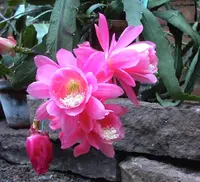
Weberbauerocereus weberbaueri Care

Weberbauerocereus weberbaueri

About Weberbauerocereus weberbaueri

Weberbauerocereus weberbaueri is a columnar cactus from high Andean regions of Peru, adapted to strong sun, cool nights, and very dry conditions. It forms tall, upright stems with ribs and dense spines that provide protection from intense light and temperature swings.

In cultivation it is slow to moderate in growth and can eventually become large, so it suits spacious containers or outdoor xeric plantings in mild climates. The plant is considered fairly tough if its need for sharp drainage and dry, cool winters is respected.

Those learning how to care for Weberbauerocereus weberbaueri should focus on bright light, infrequent but deep watering, and a gritty, fast-draining mineral-based soil mix.

Main Plant Requirements

Care Difficulty

Moderate Care

Light Preference

Full Sun

Water Requirements

Low Water

Temperature Preference

Tropical / Frost Sensitive

Hardiness Zone

10–11

Soil Texture

Sandy, Rocky, Loamy

Soil pH

Slightly acidic (6.5–7.0), Neutral (7.0)

Soil Drainage

Well-drained

Fertilization

Minimal (feed rarely)

Get Personalized Care Plan

Scan your plant to receive care tips personalized for your specific plant

Available on iOS and Android

How to Care for the Weberbauerocereus weberbaueri

This high Andean columnar cactus thrives in strong, direct light with some protection at the hottest times of day.

  • Provide 6–8 hours of full sun daily, ideally with morning sun and very bright exposure the rest of the day.
  • In very hot, low-latitude climates, give light afternoon shade or filtered light to prevent epidermis bleaching and sunscald.
  • Outdoors, place Weberbauerocereus weberbaueri in the brightest, most open spot; in winter, prioritize maximum sun and avoid shading from buildings or trees.

This species is highly drought-tolerant and must dry well between waterings to prevent root rot.

  • Water only when the top 3–5 cm of soil are completely dry; in hot growing seasons this may mean deep watering every 10–21 days, depending on sun and soil.
  • Use very fast-draining, gritty soil and ensure excess water runs freely from the planting area or container, leaving no standing water.
  • Reduce watering sharply in cool seasons, stopping almost entirely if temperatures stay below 50°F (10°C); shriveling ribs indicate thirst, while yellowing, soft tissue suggests overwatering.

This cactus prefers warm, dry conditions and is sensitive to prolonged cold and frost.

  • Aim for 65–85°F (18–29°C) during active growth; short hot spells up to 95°F (35°C) are tolerated if soil drains well and airflow is good.
  • Protect from frost; brief dips to 32°F (0°C) may be survived when completely dry, but tissue damage becomes likely below this point.
  • In cooler regions, give a drier, cooler rest around 50–60°F (10–16°C) in winter to avoid weak, etiolated growth while still keeping the plant frost-free.

This cactus thrives in dry air and usually does not need extra humidity control indoors.

  • Target 25–40% relative humidity, similar to a dry indoor room or arid outdoor climate.
  • Brown, soft stem spots or persistent fungal issues often indicate humidity paired with poor air movement, not dryness.
  • If air exceeds 60% humidity for long periods, increase airflow with a fan and space plants apart to keep stems dry.

Weberbauerocereus weberbaueri needs a very fast-draining, mineral-based soil to prevent root and stem rot.

  • Use a gritty cactus mix with roughly 60–80% inorganic material such as pumice, coarse sand, perlite, or small gravel and 20–40% low-organic cactus substrate.
  • Aim for a loose, open structure where water drains through in seconds and the pot feels noticeably lighter within 24 hours after watering.
  • Keep soil slightly acidic to neutral, around pH 6.0–7.2, avoiding high-lime mixes that can cause nutrient lockout over time.
  • Do not use heavy garden soil, clay-based mixes, or peat-heavy blends that stay wet, compact, or form a crust on top.

This species is suitable for container growing when the pot is chosen to keep the tall, columnar stems stable and the roots dry.

  • Choose a deep, heavy clay or ceramic pot to counterbalance tall stems and reduce tipping in windy or high-traffic areas.
  • Select a container only 3–5 cm wider than the root ball so the mix dries quickly instead of holding moisture around the roots.
  • Raise the pot on feet or a stand so drainage holes stay clear and runoff water moves away from the base immediately, preventing a wet zone under the container.

This desert cactus benefits from modest feeding in containers but copes with very lean soils outdoors.

  • Use a low-nitrogen balanced cactus fertilizer (for example 5-10-10) or dilute general balanced NPK to 1/4 strength.
  • Feed Weberbauerocereus weberbaueri every 4–6 weeks during late spring and summer only.
  • Avoid organic compost-rich mixes that stay wet; salts and moisture can damage roots.
  • Stop feeding entirely in fall and winter to allow a cool, dry rest period.

This columnar cactus needs minimal pruning, focused on safety and plant health.

  • Carry out any pruning in late spring to early summer, during active growth.
  • Remove only dead, diseased, storm-damaged, or badly scarred stems using clean, sharp pruning saws or loppers.
  • Cut stems at the base or back to a healthy joint, avoiding small repeated cuts that shred tissue.
  • Use thick gloves and long sleeves; shaping is limited because heavy pruning can disfigure the plant and slow flowering.

Container-grown plants need infrequent repotting due to slow to moderate growth and a deep root system.

  • Check for roots circling the pot, pushing through drainage holes, or for top-heavy leaning as signs repotting is needed.
  • Repot every 4–6 years in late spring, stepping up only 1 pot size into a deep container with fast-draining cactus mix.
  • Handle the stem with folded newspaper or foam, and disturb roots as little as possible to limit transplant shock.
  • After repotting, keep the plant dry and shaded for 5–7 days, then reintroduce bright light and resume light watering.

This species is most often propagated from stem cuttings, with seed used mainly for collections and breeding.

  • Take healthy stem cuttings in late spring or early summer, using a sterile, sharp knife or saw.
  • Allow cut surfaces to callus for 10–20 days in a dry, airy place before planting.
  • Set callused cuttings upright in barely moist, gritty cactus mix with bright light and warm temperatures around 70–80°F.
  • For seeds, sow on the surface of sterile, fine mix, keep slightly moist, warm, and bright but out of direct midday sun.

Winter care is important because this cactus is sensitive to hard frost and prolonged cold, especially in wet soil.

  • Aim for cool, dry winter conditions around 40–50°F with plenty of light for Weberbauerocereus weberbaueri indoor care.
  • In the ground, ensure very sharp drainage; gravel mulch around the base helps keep the root zone drier.
  • Move containers indoors or to a frost-free greenhouse before temperatures drop near freezing.
  • Keep soil almost completely dry in winter to reduce the risk of root and stem rot in cold conditions.

Care Tips

Rocky base support

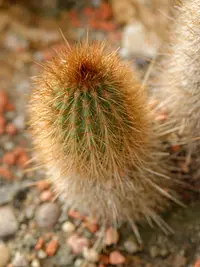
Anchor the root zone with a ring of heavy stones or gravel on the soil surface to stabilize tall, columnar stems against wind or accidental bumps without trapping moisture against the stem.

Gradual sun hardening

When moving a plant from indoors or shade to full sun, increase light exposure over 10–14 days using shade cloth or filtered light to prevent epidermal scorch and permanent pale patches on the stems.

Cold, dry resting

In winter, keep the plant very dry and in bright light at a cool but frost-free temperature to trigger a proper rest period that supports stronger growth and flowering the following season.

Targeted mealybug checks

Inspect areoles, rib grooves, and the stem base monthly with a hand lens, and remove any mealybugs with a cotton swab dipped in 70% isopropyl alcohol before they spread between the dense spines.

Safe handling setup

Use folded newspaper bands, thick foam, or a rolled towel around the stems as a temporary handling grip when repotting or repositioning, so the plant can be moved without crushing tissue or driving spines into skin while caring for Weberbauerocereus weberbaueri.

Common Pests and Diseases

Soft scale

This pest commonly colonizes ribbed stems, feeding on sap and excreting sticky honeydew that encourages sooty mold. Symptoms include dull, sticky skin and patches of small, dome-shaped insects tightly attached to the cactus surface.

Solution

Remove heavily infested stem sections if localized, then wipe remaining insects off with cotton pads soaked in 70% isopropyl alcohol, repeating weekly until clear. Improve light and airflow, avoid excess nitrogen fertilization, and if needed use a horticultural oil labeled for cacti, applied in the cool part of the day according to Weberbauerocereus weberbaueri care instructions.

Mealybugs

This pest hides in areoles and along ribs, forming white cottony clusters and sucking sap, which weakens growth over time. Symptoms include cotton-like tufts, slight stem wrinkling, and sometimes distorted new growth.

Solution

Isolate the plant, then dab visible mealybugs with 70% isopropyl alcohol on a cotton swab and flush tight crevices with a hand sprayer of alcohol or insecticidal soap. Repeat inspections every 7–10 days and, for persistent infestations, use a systemic insecticide labeled for ornamental cacti, following all safety directions.

Red spider mites

These insects thrive in hot, dry conditions and can cause a fine speckling or bronzing of the green epidermis on long stems. Symptoms include a dusty appearance, very fine webbing in grooves, and gradual loss of the plant’s normal green color.

Solution

Increase ambient humidity slightly without keeping the substrate wet, then shower the stems with a firm stream of lukewarm water to dislodge mites. Follow with 2–3 rounds of miticidal soap or neem-based spray at 5–7 day intervals, ensuring thorough coverage of all ribs and crevices.

Bacterial soft rot

This disease can enter through mechanical injuries or frost damage on tall stems and leads to rapidly collapsing, foul-smelling, water-soaked tissue. Symptoms include dark, mushy patches that spread quickly along the column and may ooze fluid when pressed.

Solution

Immediately cut out all affected tissue well into firm, healthy flesh with a sterile knife and discard contaminated parts in the trash. Disinfect tools between cuts, keep the plant dry and under strong light until wounds callus, and improve drainage and protection from cold stress to reduce recurrence.

Helminthosporium stem spot

This disease, caused by opportunistic fungi on stressed columnar cacti, produces sunken, brown to black spots that may coalesce into large, corky lesions on vertical stems. Symptoms include localized discoloration, slight shriveling in affected zones, and dry, scab-like patches rather than soft decay.

Solution

Remove and discard small infected segments if practical, or carefully excise individual lesions down to clean tissue and let cuts dry in a bright, airy spot. Reduce overhead watering, increase airflow, and consider a targeted fungicide labeled for ornamental cacti if new spots continue to appear, always following label rates and intervals.

Interesting Facts

High Andean specialist

This species is native to very dry, rocky slopes of the western Andes in Peru, where it grows at relatively high elevations exposed to intense sun, strong temperature swings, and low rainfall.

Night-blooming strategy

Its large tubular flowers open at night and are pollinated primarily by nocturnal visitors such as moths or bats, an adaptation that protects sensitive floral tissues from harsh daytime radiation in its native habitat.

Columnar clumping habit

Mature plants form dense clumps of upright columns, each heavily armed with stout spines that shade the stem surface and help reduce water loss in extreme aridity, an important consideration in Weberbauerocereus weberbaueri care instructions.

Botan icon

Did you know?

The species is named in honor of German botanist Augusto Weberbauer, who conducted extensive early 20th-century botanical exploration in Peru and documented many of the high Andean habitats where this cactus naturally occurs.

FAQs about Weberbauerocereus weberbaueri

This species performs best outdoors in warm, arid or semi-arid climates with excellent drainage and full sun. Indoors it grows more slowly and may lean or etiolate, but can still do well under very bright, direct light.

Grow Healthy Plants with Botan Care

Keep your plants happy and healthy with plant identification, disease detection, and easy care guidance.

Botan plant care app — identify plants on mobile

Explore More Plants