


Mineral top dressing
Cover the soil surface with a 0.5–1 cm layer of inert grit (pumice, lava rock, or coarse sand) to stabilize the plant, keep the neck dry, and reduce algae or moss that can suffocate the crown over time.

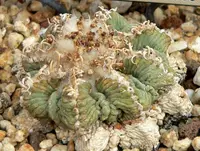
Aztekium ritteri is a miniature, slow-growing cactus known for its ribbed, roughly textured surface and compact, rounded shape. It stays very small, making it suitable for windowsills and small collections.
This species is native to steep limestone cliffs in northeastern Mexico, where it grows in cracks with minimal soil and strong light. Its extremely slow growth and sensitivity to overwatering make it challenging, even for experienced growers.
Those who want to learn how to care for Aztekium ritteri should focus on providing very porous mineral soil, bright but not scorching light, and careful, infrequent watering.

Care Difficulty
Hard Care

Light Preference
Partial Sun

Water Requirements
Low Water

Temperature Preference
Tropical / Frost Sensitive

Hardiness Zone
10–11

Soil Texture
Sandy, Rocky, Loamy

Soil pH
Neutral (7.0), Slightly alkaline (7.0–7.5)

Soil Drainage
Well-drained

Fertilization
Minimal (feed rarely)
Scan your plant to receive care tips personalized for your specific plant
Available on iOS and Android
This cactus needs strong light but benefits from some protection from intense midday sun.
This species prefers thorough but infrequent watering in a very fast-draining mineral soil mix.
This cactus is adapted to warm, dry conditions and dislikes both frost and humid heat.
This cactus prefers very dry air, similar to its native desert habitat.
This species requires an extremely mineral, fast-draining substrate to prevent root rot.
This species is well suited to small, carefully drained containers.
This extremely slow-growing cactus needs very little feeding to stay healthy in cultivation.
Pruning needs for Aztekium ritteri are minimal and mostly related to health rather than shaping.
This cactus prefers to stay undisturbed and should be repotted only when clearly necessary.
Propagation of this species is challenging and usually attempted only by experienced growers from seed.
This cactus requires a cool, very dry rest period in winter and is not tolerant of prolonged frost.

Plant Health Check
Not sure what's wrong with your plant? Check your plant's health inside the app.
This cactus can take more than a decade to reach just a few centimeters in diameter, forming very compact, densely ribbed bodies that scarcely change in appearance from year to year.
In nature it is restricted to narrow bands of steep, gypsum-rich limestone cliffs in the Sierra Madre Oriental of Nuevo León, Mexico, where it grows tightly anchored in tiny rock crevices.
It produces extremely small, dust-like seeds that lodge in minute cracks of gypsum rock, allowing seedlings to establish in places where almost no other vascular plants can survive.

Wild populations are considered highly vulnerable because of their tiny natural range and past overcollection by hobbyists, so responsible growers now rely on seed-grown plants and propagation techniques to grow Aztekium ritteri legally and sustainably in cultivation.
This species grows extremely slowly, often only 1–2 mm in diameter per year. Seedlings stay tiny for many years, and reaching just a few cm wide can take decades, even in optimized cultivation conditions.
Keep your plants happy and healthy with plant identification, disease detection, and easy care guidance.

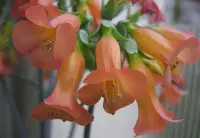
Chandelier plant
Kalanchoe delagoensis
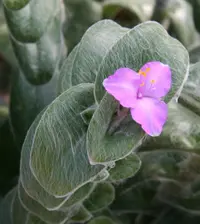 POPULAR
White Velvet
Tradescantia sillamontana
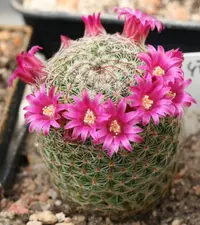
Thumb Cactus
Mammillaria matudae
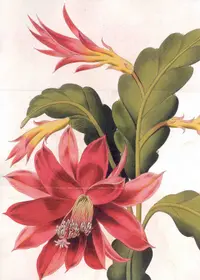
Disocactus ackermannii
Disocactus ackermannii
Euphorbia poisoni
Euphorbia poissonii
Engelmann's Prickly Pear
Opuntia engelmannii
Common pricklypear
Opuntia monacantha
 POPULAR
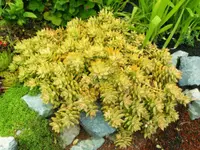
Coppertone Stonecrop
Sedum adolphi