Topdressing refresh
Every 2–3 years, gently scrape off the top 1–2 cm of old gritty mix and replace it with fresh mineral substrate to improve drainage around the neck and reduce rot risk at the stem base.

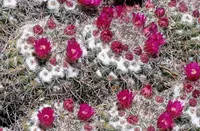
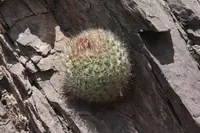
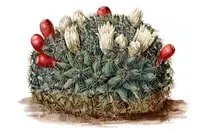
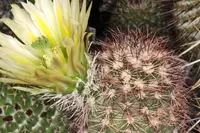
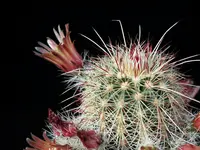
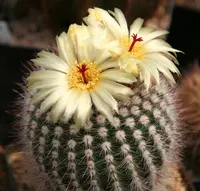
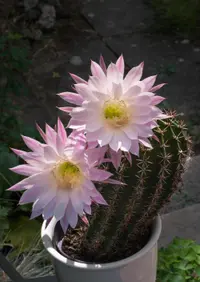
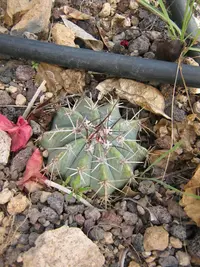
Mammillaria standleyi is a small, clustering cactus known for its dense white spines and tidy, rounded stems. It often forms attractive mounds over time. In nature it grows in arid, rocky areas of Mexico, where it experiences intense sun and rapid drainage after brief rains. This origin explains its strong drought tolerance and need for a very free-draining mineral soil mix. Cream to pinkish flowers typically appear in a ring near the stem top, adding seasonal interest. With bright light, restraint in watering, and good airflow, it is relatively straightforward to care for Mammillaria standleyi.

Care Difficulty
Easy Care

Light Preference
Full Sun

Water Requirements
Low Water

Temperature Preference
Tropical / Frost Sensitive

Hardiness Zone
9–11

Soil Texture
Sandy, Rocky, Loamy

Soil pH
Slightly acidic (6.5–7.0), Neutral (7.0)

Soil Drainage
Well-drained

Fertilization
Minimal (feed rarely)
Scan your plant to receive care tips personalized for your specific plant
Available on iOS and Android
This small desert cactus needs strong light but benefits from some protection from intense midday sun.
This species prefers thorough but infrequent watering that allows the root zone to dry well between drenches.
This cactus tolerates heat well but needs protection from prolonged cold and frost.
This cactus handles typical indoor humidity well and rarely needs special adjustments.
This species needs a very fast-draining, mineral-rich substrate that mimics rocky desert soil.
This species is well suited to container growing when excess water can drain rapidly.
This cactus needs modest feeding to support compact growth in containers.
This species needs minimal pruning, mainly for hygiene and safety.
Container-grown plants benefit from occasional repotting into fresh, sharply draining mix.
This cactus is commonly propagated from offsets and seeds under warm, bright conditions.
This cactus prefers cool, very dry winter conditions and has limited frost tolerance.

Plant Health Check
Not sure what's wrong with your plant? Check your plant's health inside the app.
This cactus naturally forms dense, low clusters made of many cylindrical stems that arise from a shared base, often creating cushion-like mounds in older plants.
Its areoles carry a combination of short, pale radial spines and a few darker, often hooked central spines, giving each stem a strongly textured, almost bristly surface that helps shade the plant body from intense sun.
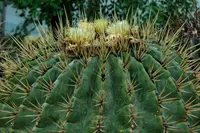
Instead of ribs, it has pronounced conical tubercles arranged in spiral lines, a structural adaptation that allows the stem to expand and contract efficiently with changing water availability.
This species grows slowly, usually adding only a few millimeters of height and width per year. Growth is most noticeable in spring–summer and when offsets form around the base, especially under stable light, warmth, and low-humidity conditions.
Keep your plants happy and healthy with plant identification, disease detection, and easy care guidance.