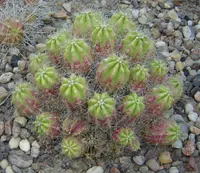
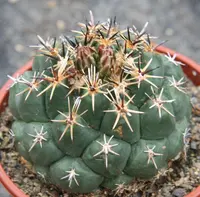
spiny hedgehog cactus Care (Echinocereus dasyacanthus)

Also known as: Texas rainbow cactus
spiny hedgehog cactus

About spiny hedgehog cactus

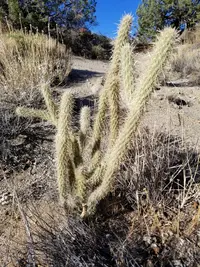
Spiny hedgehog cactus (Echinocereus dasyacanthus) is a small, clumping desert cactus known for its cylindrical stems densely covered in stiff spines. Mature plants often form tight clusters, creating a low, rounded mound that stands out in rock gardens and containers.

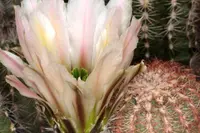
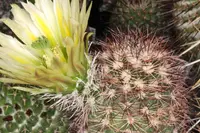
In spring, it produces large, showy funnel-shaped flowers, typically yellow to orange, that contrast strongly with the spiny stems. It is native to arid regions of the southwestern United States and northern Mexico, where it grows in rocky, well-drained soils.

This species is generally considered easy to grow if kept in bright light, low humidity, and fast-draining soil. Understanding how to care for spiny hedgehog cactus starts with avoiding excess moisture and prolonged shade.

Main Plant Requirements

Care Difficulty

Easy Care

Light Preference

Full Sun

Water Requirements

Low Water

Temperature Preference

Warm Climate

Hardiness Zone

7–10

Soil Texture

Sandy, Loamy, Rocky

Soil pH

Slightly acidic (6.5–7.0), Neutral (7.0)

Soil Drainage

Well-drained

Fertilization

Minimal (feed rarely)

Get Personalized Care Plan

Scan your plant to receive care tips personalized for your specific plant

Available on iOS and Android

How to Care for the spiny hedgehog cactus

This desert cactus needs strong, direct light to maintain compact growth and healthy spines.

  • Provide 6–8 hours of direct sun daily; full morning sun with some protection from intense late afternoon summer sun is ideal.
  • In very hot regions, give spiny hedgehog cactus light afternoon shade or filtered sun to reduce sunscald risk, especially for young plants.
  • Outdoors, place in an open, unshaded spot; indoors, use the brightest south- or west-facing window and supplement with a grow light in winter if new growth elongates.

This species is highly drought tolerant and must dry thoroughly between waterings.

  • Allow the top 3–5 cm of soil to dry completely before watering and ensure the root zone never stays soggy; fast-draining, gritty soil is essential.
  • During active growth in spring–summer, water deeply but infrequently, then let excess drain away; in fall–winter, reduce watering sharply, sometimes to once a month or less in cool conditions.
  • Watch for shriveling ribs as a sign to water and for yellowing, soft, or blackened tissue in Echinocereus dasyacanthus as possible overwatering damage.

This cactus prefers warm, dry conditions and tolerates brief cold if kept almost dry.

  • Aim for 70–90°F (21–32°C) during active growth, with good air circulation to prevent heat buildup around the stems.
  • Protect from hard frost; most plants tolerate down to about 20–25°F (-6 to -4°C) if soil is dry, but repeated freezes or wet cold greatly increase rot risk.
  • Provide a cool, dry rest in winter around 45–55°F (7–13°C); avoid prolonged exposure above 100°F (38°C) without shade and airflow, which can cause stress and sunscald.

Humidity is rarely a concern for Echinocereus dasyacanthus, which prefers dry air.

  • Target 20–40% humidity, similar to arid indoor conditions.
  • Plant tolerates very dry air; persistent dampness above 60% increases rot risk.
  • Watch for blackened stem bases or mushy tissue as signs of excess humidity and improve air movement rather than misting.

This cactus needs a very fast-draining, mineral-rich soil to prevent root and stem rot.

  • Use a gritty mix of 50–70% inorganic materials such as coarse sand, pumice, or perlite with 30–50% cactus potting mix.
  • Aim for slightly acidic to neutral pH, around 6.0–7.0, which suits Echinocereus dasyacanthus roots.
  • Ensure the mix feels loose and airy; individual particles should not compact when squeezed.
  • Avoid clay-heavy, peat-heavy, or water-retentive soils, as these keep roots wet and limit aeration.

This species adapts well to container growing when drainage and stability are carefully managed.

  • Choose a pot only 2–4 cm wider than the root ball so the mix dries at a similar rate to the plant’s water use.
  • Use a heavy terracotta or ceramic pot outdoors to keep the spiny hedgehog cactus from tipping in wind.
  • Raise the container slightly on pot feet or bricks so drainage holes stay clear and water exits quickly.

This desert cactus needs only light feeding to support steady growth and flowering.

  • Use a low-nitrogen, balanced cactus fertilizer (around 5-10-10) or diluted balanced NPK at 1/4–1/2 strength.
  • Feed once every 4–6 weeks during active growth in spring and early summer for healthy spiny hedgehog cactus development.
  • Avoid organic compost in pots, as it can retain excess moisture and increase rot risk.
  • Stop feeding in late summer and do not fertilize during fall and winter dormancy.

Echinocereus dasyacanthus needs minimal pruning, mainly for health and safety.

  • Carry out any pruning in late spring or early summer, when growth is active.
  • Remove dead, shriveled, or diseased stems at the base using clean, sharp pruners or a knife.
  • Trim only damaged or dangerously positioned spines to reduce injury risk, not for cosmetic shaping.
  • Avoid heavy cutting, as it can scar stems and slightly reduce flowering on affected areas.

This cactus has a slow to moderate growth rate and only needs infrequent repotting or transplanting.

  • Repot every 3–4 years, or when roots circle the pot, emerge from drainage holes, or growth slows despite good care.
  • Plan repotting for late winter to early spring, just before new growth begins.
  • Use a dry, very well-draining cactus mix; handle the stem with folded newspaper or tongs to avoid damage.
  • Gently loosen roots, remove old soil, then replant at the same depth and keep soil almost dry for 7–10 days to limit root stress.

This species is most often propagated from seed, with some plants also forming offsets that can be divided.

  • Sow fresh seeds in late winter or spring on a gritty, sterile cactus mix and barely cover them.
  • Maintain 70–80°F, bright indirect light, and evenly slightly moist substrate until germination.
  • For offsets, detach firmly rooted side shoots in warm weather using a sterile knife.
  • Allow cut surfaces to callus for several days, then plant in dry cactus mix and water lightly only after roots begin forming.

This cactus is relatively cold hardy when kept dry, but container plants still benefit from basic winter protection.

  • Established in-ground plants often tolerate brief drops to about 10–15°F if the soil drains very sharply.
  • Keep soil completely dry in winter to prevent root rot during freeze–thaw cycles.
  • Add a light gravel or rock mulch around the crown to shed water away from the stem base.
  • Move container plants indoors or to a cold, bright, frost-free area around 35–50°F for winter rest.

Care Tips

Rot-safe topdressing

Apply a 0.5–1 in layer of clean mineral grit (pumice, coarse sand, or small gravel) on the soil surface to keep the stem base dry, reduce splash-borne fungus, and stabilize the shallow root zone.

Summer hardening routine

From late spring, gradually expose the plant to more direct sun and stronger air movement over 10–14 days to toughen the epidermis and reduce the risk of sunscald and weak, etiolated growth.

Cold-dry overwintering

If grown in a region with cold, dry winters, keep the plant under cover with excellent airflow and no irrigation so the roots stay dry and dormant, which improves flowering performance the following season.

Root inspection timing

Repot on a 2–4 year cycle in late spring and gently inspect roots for rot or mealybugs, trimming any soft, dark sections and dusting cuts with dry sulfur or cinnamon before replanting in fresh, dry mix.

Pest-barrier spacing

Space pots so spines do not touch and keep the bench surface free of debris, which reduces bridging paths for mealybugs and scale insects and makes caring for spiny hedgehog cactus safer and easier.

Common Pests and Diseases

Cochineal scale

This pest forms white, cottony clusters along ribs and spines where it sucks sap, sometimes leaving reddish stains when crushed. Symptoms include dull, patchy growth and sticky residue that attracts sooty mold.

Solution

Remove visible clusters with a strong jet of water or by brushing with a soft toothbrush dipped in diluted alcohol (1 part isopropyl alcohol to 3 parts water), taking care not to damage the epidermis. Improve light and air movement, then repeat spot treatments weekly until no new insects appear; for heavy outdoor infestations, a targeted insecticidal soap labeled for cacti can be used in the cool part of the day.

Spider mites

These insects prefer hot, dry, sheltered plants and cause pale stippling, a dry, dull surface, and very fine webbing between spines. This pest often appears on plants kept under glass or indoors with stagnant air.

Solution

Rinse the stems thoroughly with lukewarm water, directing the spray along ribs and between spines to dislodge mites, and repeat every few days. Raise humidity slightly around the plant without wetting the soil surface and apply a miticidal or insecticidal soap spray approved for succulents, ensuring full coverage and repeating according to label directions.

Fungal stem spot

This disease causes small, sunken, brown to dark spots on the green stem surface, often at minor injury sites or where water sits. Spots may enlarge, merge, and form corky or slightly soft lesions that disrupt normal growth.

Solution

Cut out localized lesions with a sterile blade if practical, allowing the wound to dry and callus in bright, dry conditions before any watering. Reduce overhead watering, improve sun exposure and airflow, and if spread continues, apply a sulfur-based or copper-based fungicide suitable for cacti, following label guidance.

Bacterial soft rot

This disease starts as a small, water-soaked area that quickly turns soft, foul-smelling, and discolored, especially in overly wet or injured tissue near the base. Symptoms include rapid collapse of affected sections and a mushy interior.

Solution

Isolate the plant, then cut away all soft, discolored tissue well into healthy, firm flesh using sterile tools, discarding infected material. Allow the remaining healthy portion to dry completely and form a firm callus in a warm, airy, bright spot with no water for at least 7–10 days before resuming very light watering.

Mealybugs

These insects hide in spine clusters and at the base of stems, appearing as small, white, cottony masses that weaken the cactus by sucking sap. Symptoms include slowed growth, slight wrinkling despite adequate watering, and honeydew that can support sooty mold.

Solution

Inspect closely and remove visible insects with a cotton swab dipped in diluted isopropyl alcohol, then allow the plant to dry in bright, indirect light. For persistent colonies, use a low-residue systemic or contact insecticide labeled for succulents, and combine this with strict quarantine and careful checking of offsets and roots to prevent reinfestation while learning how to take care of spiny hedgehog cactus in drier, well-ventilated conditions.

Interesting Facts

Color-shifting flowers

Individual flowers often open a bright yellow in the morning and can shift toward orange or reddish tones as they age, giving a multicolored effect on a single plant over a few days.

Nocturnal moth pollinators

In its native Chihuahuan Desert, the large, funnel-shaped flowers are visited not only by daytime bees but also by hawk moths at dusk, which are attracted by the pale flower throat and abundant nectar.

Dense bristle-like spines

The stiff, hair-like spines that inspired the name dasyacanthus (meaning dense-spined) create a reflective layer that shades the stem surface and helps reduce water loss in intense desert sun.

Botan icon

Did you know?

Wild populations in the southwestern United States and northern Mexico often hybridize naturally with closely related Echinocereus species, producing intermediate plants that can be difficult even for specialists to identify with certainty.

FAQs about spiny hedgehog cactus

Lack of blooms usually comes from insufficient light, too much nitrogen fertilizer, or no cool, dry winter rest. Mature plants flower best after bright sun, lean soil, light feeding, and several months of cooler, drier conditions.

Grow Healthy Plants with Botan Care

Keep your plants happy and healthy with plant identification, disease detection, and easy care guidance.

Botan plant care app — identify plants on mobile

Explore More Plants