leafy milk hedge Care (Euphorbia nivulia)

Also known as: holy milk hedge, dog's tongue
leafy milk hedge

About leafy milk hedge

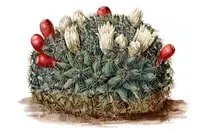
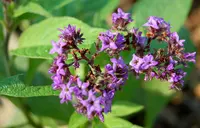
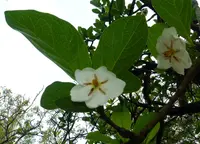
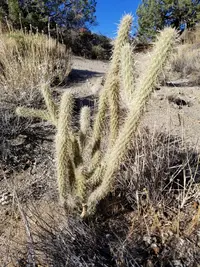
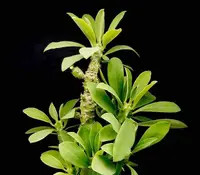
Leafy milk hedge, Euphorbia nivulia, is a succulent shrub or small tree known for its thick, fleshy branches and sparse, leathery leaves clustered at the tips. It produces a milky sap and small, yellowish flower structures along the stems.

This species is native to arid and semi-arid regions of the Indian subcontinent, where it often grows in dry, rocky, or degraded soils. It tolerates heat, drought, and poor substrates, which makes it relatively tough in warm climates.

It suits low-maintenance landscapes but needs care when handled due to its latex sap and spines. To care for leafy milk hedge, provide strong light, very well-drained soil, and infrequent watering.

Main Plant Requirements

Care Difficulty

Moderate Care

Light Preference

Full Sun

Water Requirements

Low Water

Temperature Preference

Tropical / Frost Sensitive

Hardiness Zone

10–12

Soil Texture

Sandy, Loamy, Rocky

Soil pH

Slightly acidic (6.5–7.0), Neutral (7.0)

Soil Drainage

Well-drained

Fertilization

Minimal (feed rarely)

Get Personalized Care Plan

Scan your plant to receive care tips personalized for your specific plant

Available on iOS and Android

How to Care for the leafy milk hedge

This drought-tolerant succulent shrub thrives in strong light and open exposures.

  • Provide 6–8 hours of direct sun daily; full sun is ideal for compact growth and branching.
  • Accepts light partial shade, especially light afternoon shade in very hot, dry climates to reduce stem scorch on young leafy milk hedge plants.
  • In cooler or overcast seasons, prioritize maximum sun exposure; leggy, pale stems indicate too little light, while bleached or corky patches suggest sunburn.

This species is highly drought-tolerant and stores water in its thick, fleshy stems.

  • Allow soil to dry deeply between waterings; in the ground, wait until the top 5–10 cm are completely dry before watering again.
  • In warm growing seasons, water only when stems start to slightly soften or wrinkle; in cool or dormant periods, water very sparingly.
  • Use sharply drained, sandy or gravelly soil; yellowing, soft or blackened bases suggest overwatering, while severe wrinkling and tip dieback suggest prolonged drought stress.

This arid-climate succulent prefers warm to hot conditions and does not tolerate frost.

  • Optimal growth occurs around 75–95°F (24–35°C); it remains stable up to about 105°F (40°C) if soil is well drained.
  • Protect from cold below 45°F (7°C) and especially from any frost; tissue damage often appears as soft, dark, collapsing stems after freezing nights.
  • In regions with cool winters, position in the warmest, most sheltered microclimate; in very hot areas, slight afternoon shade reduces heat stress while still maintaining high temperatures.

This succulent shrub stays healthy in relatively dry household air and rarely needs special humidity control.

  • Target 30–50% humidity, similar to most indoor environments, for stable Euphorbia nivulia care.
  • Dry air is usually tolerated, but combine with bright light and correct watering to prevent tip dieback.
  • If new growth shrivels or edges brown despite proper watering, briefly increase humidity with a nearby water tray, not misting.

Soil for Euphorbia nivulia must drain very quickly while still anchoring its heavy, woody stems.

  • Use a coarse, mineral-based mix such as 50–60% cactus potting mix blended with pumice, perlite, or coarse sand.
  • Aim for pH 6.0–7.5; avoid strongly acidic or salty substrates that can damage roots.
  • Increase aeration by adding chunky particles (pumice, lava rock, or 5–10 mm gravel) rather than more peat or compost.
  • Avoid compacted, water‑retentive garden loam or potting soil that stays wet longer than 2–3 days after watering.

This species can adapt to container growing if the pot is prepared for its woody, top-heavy form.

  • Choose a wide, heavy container that resists tipping as stems thicken and the canopy becomes unbalanced in wind.
  • Ensure large, unobstructed drainage holes and keep any outer cachepot completely free of standing water.
  • Select unglazed clay if extra evaporation is needed, or thick plastic in hot, dry regions to slow moisture loss.

Euphorbia nivulia grows in poor soils and needs only light, targeted feeding in cultivation.

  • Use a balanced, diluted liquid fertilizer (for example 10-10-10 at 1/4–1/2 strength) during active growth in spring–summer.
  • Apply every 4–6 weeks for container plants; in-ground leafy milk hedge usually manages with 1 light feeding per year.
  • Choose slow-release granules or well-rotted compost for outdoor plants, kept away from the main stem.
  • Stop feeding in late fall–winter, when growth slows or stops, to avoid soft, weak new tissue.

Pruning Euphorbia nivulia is mainly done to control size, improve structure, and remove problem stems.

  • Plan shaping cuts for late winter or early spring, before strong new growth starts.
  • Remove dead, damaged, crossing, or crowded branches with clean, sharp loppers or a pruning saw.
  • Take back long, leggy stems to a side branch junction to maintain a strong, open framework and stable form.
  • Wear gloves and eye protection, since the milky sap can irritate skin and eyes; allow cuts to dry and callus.

This species is usually grown in-ground, so transplanting is more common than repotting.

  • Transplant in late spring or early summer once nights stay warm and soil drains freely.
  • Look for signs such as slow growth, stunting, or roots densely circling a container before moving a plant.
  • Plan moves only every several years; mature specimens dislike frequent disturbance and may sulk afterward.
  • Water the root ball thoroughly before digging, keep as much soil attached as possible, replant at the same depth, then shade and water moderately until re-established.

New Euphorbia nivulia plants are most often raised from semi-woody stem cuttings or seeds.

  • Take cuttings in late spring–early summer, allowing the milky sap to drain and the cut ends to dry and callus for 1–2 days.
  • Root cuttings in a very well-drained, gritty mix under bright, indirect light and warm temperatures around 70–80°F.
  • Sow seeds in a sandy, free-draining substrate, barely covered, kept lightly moist and warm until germination.
  • Handle all material with gloves and label pots clearly, since young plants resemble other Euphorbia species.

This warm-climate succulent tree is frost-sensitive and benefits from simple winter precautions in cooler regions.

  • In mild, frost-free climates, mature plants usually need no special winter care beyond well-drained soil.
  • In areas with occasional light frost, mulch the root zone with 5–8 cm of coarse organic material, keeping it off the trunk.
  • For container plants, shift pots indoors or into a bright, frost-free shelter before temperatures drop near 40°F.

Care Tips

Safe handling setup

Set up a stable stand and handle the plant only with thick gloves and eye protection, as the toxic latex sap can irritate skin and eyes when pruning or repotting.

Encourage branching

Pinch or tip-prune young green stems in late spring to stimulate side shoots and create a denser, more wind-stable framework over time.

Wind and lean management

In windy or exposed sites, use a single sturdy stake or wall bracket to support the main stem and gradually adjust ties so the plant grows upright without rubbing damage.

Root zone protection

Keep a 10–15 cm bare ring around the base free of mulch and groundcovers to reduce stem rot risk and make inspection for scale insects easier.

Controlled propagation

When taking cuttings, allow the cut ends to dry and callus for 3–5 days in a shaded, airy place before potting, which reduces rot and improves success when trying to grow Euphorbia nivulia from stem pieces.

Common Pests and Diseases

Stem-boring beetles

This pest attacks the thick, succulent branches and trunk, tunneling into the woody tissue and causing localized dieback or branch collapse. Symptoms include small round exit holes, frass (wood dust), and suddenly wilted segments on otherwise healthy plants.

Solution

Prune and destroy all affected branches well below visible damage, then seal large cut surfaces to reduce further attack. Keep plants vigorous with good light and avoid mechanical injuries to the trunk, and in outdoor landscapes consider monitoring with regular inspections and removing infested material promptly to break the beetle life cycle.

Mealybugs

These insects feed on the sap of young shoots and joints, forming white cottony clusters on stems and at spine bases. Symptoms include yellowing segments, stunted new growth, honeydew, and sooty mold on nearby surfaces.

Solution

Dislodge visible colonies with a strong water spray, then spot-treat remaining clusters with cotton swabs dipped in isopropyl alcohol, avoiding contact with eyes or skin due to the plant’s latex. For persistent infestations, use a labeled systemic insecticide or horticultural soap, applied in the cooler part of the day and repeated as needed while improving plant spacing and airflow.

Scale insects

These insects appear as small, hard or waxy bumps along the ribs, spines, and older stems, where they suck sap and weaken the plant. Symptoms include localized yellowing, reduced vigor, honeydew deposits, and possible sooty mold growth.

Solution

Gently scrape or wipe off individual scale with a soft brush or cloth dampened with alcohol, taking care not to damage the succulent tissue. For heavier infestations, apply horticultural oil or insecticidal soap thoroughly over stems, repeating every 7–14 days and keeping the plant in bright, dry, well-ventilated conditions to discourage reinfestation.

Powdery mildew

This disease produces white, powdery patches on stems and tender new growth, especially in warm, dry air with poor airflow. Symptoms include dull, mottled surfaces, slowed growth, and premature yellowing of affected segments.

Solution

Improve air circulation, avoid overhead watering, and ensure the plant receives ample direct sun, which Euphorbia nivulia tolerates well. Remove heavily affected sections if practical, then apply a sulfur-based or bicarbonate-based fungicide labeled for ornamentals, following directions and repeating applications until new growth appears clean.

Bacterial stem canker

This disease affects wounded or stressed stems, leading to water-soaked lesions that darken and can exude sticky or discolored sap. Symptoms include sunken cankers, progressive dieback of branches above the lesion, and sometimes foul odor from decaying tissue.

Solution

Cut back affected branches well into healthy, green tissue using sterile tools, and discard all infected material away from other plants. Avoid wounding the stems, keep irrigation water off the plant body, and disinfect tools and pruning equipment regularly; in landscape settings, reduce overhead watering and improve drainage around the plant base to lower humidity near stems.

Interesting Facts

Leafless drought strategy

This species often sheds most of its leaves during dry seasons and photosynthesizes mainly through its thick, succulent stems, an adaptation to hot, semi-arid habitats in South Asia.

Milky latex defense

It produces a copious, white, irritant latex that deters many herbivores and helps seal wounds, a typical trait of Euphorbia but notably abundant in this species’ large, spiny branches.

Perching habitat for epiphytes

Mature trees frequently host epiphytic plants such as orchids and ferns on their rough, branching framework, creating small microhabitats in otherwise open, dry landscapes.

Botan icon

Did you know?

Traditional agroforestry systems in parts of India use this species as a living fence and windbreak, taking advantage of its fast growth, drought tolerance, and dense, spiny branching to protect crop fields from grazing animals and hot, desiccating winds.

FAQs about leafy milk hedge

Yellowing leaves usually result from excess water, poor drainage, or sudden cold exposure. Check that the pot or planting site drains freely, reduce watering frequency, and avoid cold drafts or temperatures below this species’ preferred warm range.

Grow Healthy Plants with Botan Care

Keep your plants happy and healthy with plant identification, disease detection, and easy care guidance.


Botan plant care app — identify plants on mobile

Explore More Plants