rainbow pincushion Care (Mammillaria rhodantha)

rainbow pincushion

About rainbow pincushion

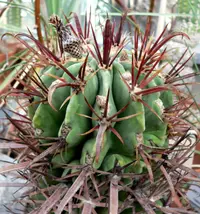
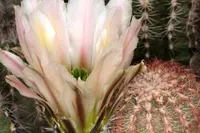
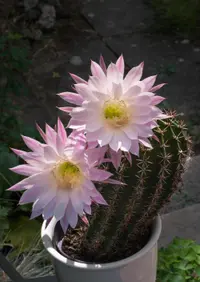
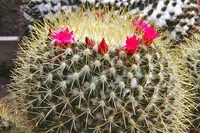
The rainbow pincushion, Mammillaria rhodantha, is a compact desert cactus known for its round to cylindrical stems and dense spines that can show reddish tones. Mature plants often form small clumps and produce bright pink to magenta flowers in a ring near the top of the stem.

This species comes from arid regions of Mexico, so it is adapted to strong light and low, infrequent rainfall. It stays relatively small, which makes it suitable for containers and indoor displays.

It is generally considered easy to grow, as long as excess moisture is avoided and the soil drains very well. Understanding how to care for rainbow pincushion mainly involves managing light and watering correctly.

Main Plant Requirements

Care Difficulty

Easy Care

Light Preference

Full Sun

Water Requirements

Low Water

Temperature Preference

Warm Climate

Hardiness Zone

9–11

Soil Texture

Sandy, Loamy, Rocky

Soil pH

Slightly acidic (6.5–7.0), Neutral (7.0)

Soil Drainage

Well-drained

Fertilization

Minimal (feed rarely)

Get Personalized Care Plan

Scan your plant to receive care tips personalized for your specific plant

Available on iOS and Android

How to Care for the rainbow pincushion

This cactus thrives in bright light but needs some protection from extreme sun.

  • Provide 6–8 hours of direct sun daily, ideally with morning sun and light afternoon shade, especially in hot, arid climates.
  • Outdoors, place where it receives south or east exposure; indoors, use the brightest sill and supplement with a grow light if stems elongate or lean.
  • Protect rainbow pincushion from intense midday summer sun behind a sheer curtain or light shade cloth to prevent bleaching or scorched patches.

Watering should mimic brief desert rains followed by dry periods.

  • Allow the top 3–5 cm of soil to dry fully before watering, then soak thoroughly so excess drains away; never leave the root zone standing in water.
  • In spring and summer, water only when the pot or bed feels very light and spines look slightly less plump; in fall and winter, reduce watering to light sips every few weeks or pause if soil stays cool and dry.
  • Watch for overwatering signs such as yellowing, soft or translucent tissue, and a sour smell; a very wrinkled, slightly shrunken Mammillaria rhodantha usually indicates it is safe to water.

This species prefers warm, dry conditions with a cool but not freezing winter rest.

  • Aim for 70–85°F (21–29°C) during active growth, as long as air is dry and there is strong light and good airflow.
  • Protect from frost; short drops to 40–45°F (4–7°C) are usually tolerated if soil is completely dry, but repeated or lower freezes can scar or kill tissue.
  • In hot spells above 95°F (35°C), increase airflow and provide light shade to prevent overheating, especially for plants in dark pots or near reflective surfaces.

This cactus tolerates dry indoor air and usually does not need special humidity control.

  • Keep humidity around 30–50%, typical of heated or air-conditioned homes.
  • Watch for soft, pale, or swollen stems as possible signs of excess humidity or poor air movement.
  • Increase air circulation rather than humidity if stems stay damp, to prevent rot in rainbow pincushion.

This cactus needs a very fast-draining, mineral-rich mix to prevent root rot.

  • Use a gritty mix such as 50–70% inorganic material (pumice, perlite, coarse sand, or fine gravel) with 30–50% cactus potting mix.
  • Aim for slightly acidic to neutral pH, roughly 6.0–7.0, which supports nutrient uptake without encouraging rot.
  • Create strong drainage by using large particles (3–6 mm) so water drains in seconds, not minutes, after watering.
  • Avoid dense, peat-heavy or clay-based mixes that stay wet or compact, which restrict aeration and suffocate roots in Mammillaria rhodantha.

This species is very suitable for container growing due to its compact root system and slow to moderate growth.

  • Choose a shallow but wide pot so clustered stems have lateral space while the mix dries quickly between waterings.
  • Prefer unglazed terracotta in humid or cool climates because it evaporates moisture faster and reduces rot risk.
  • Select a heavier pot or add top-dressing gravel if the plant becomes top-heavy, improving stability and preventing tipping in strong wind or knocks.

This cactus benefits from light feeding during active growth but stays healthy with a modest nutrient supply.

  • Use a balanced cactus fertilizer (for example 10-10-10) diluted to 1/4–1/2 strength in spring and summer.
  • Feed every 4–6 weeks during warm, bright conditions when the plant is actively growing.
  • Avoid compost-rich mixes; use a gritty, low-organic substrate to prevent excess nutrients and rot.
  • Stop feeding rainbow pincushion in fall and winter to allow proper dormancy.

Mammillaria rhodantha needs minimal pruning, mainly to maintain cleanliness and plant health.

  • Carry out any pruning in late spring or early summer when growth is active.
  • Remove only dead, dried, or diseased stems and spent flowers using clean, sharp scissors or small pruners.
  • Eliminate shriveled or damaged offsets to reduce crowding and improve airflow around the plant.
  • Avoid cutting healthy stems, as pruning does not improve flowering or shape in this species.

This cactus grows slowly and prefers infrequent repotting in a stable, well-drained container.

  • Repot every 3–4 years or when roots circle the pot, growth slows, or the plant becomes top-heavy.
  • Choose late spring as the best time, when active growth helps the roots recover faster.
  • Use a slightly larger pot with ample drainage holes and a gritty cactus mix to limit moisture retention.
  • Handle the root ball gently, remove loose soil, let roots dry 1 day, then replant and keep almost dry for 7–10 days.

This species is commonly propagated from offsets and seeds under warm, bright conditions.

  • Detach firm side offsets in late spring or summer, letting cut surfaces callus for 2–5 days.
  • Set offsets on slightly moist, gritty cactus mix and keep at 70–80°F with bright, indirect light.
  • For seed, sow on the surface of sterile, well-drained mix and barely cover or press in gently.
  • Maintain 70–80°F, high but not stagnant humidity, and gentle airflow until roots and new growth appear.

This cactus needs cool, dry winter conditions and is sensitive to prolonged frost.

  • Keep indoor plants at 45–55°F with maximum light and almost no water to support dormancy.
  • In cold climates, move containers indoors before temperatures drop below 32°F.
  • Ensure soil stays dry; cold, wet roots greatly increase rot risk during winter.
  • Provide light air circulation and avoid contact with cold window glass to prevent stem damage.

Care Tips

Rotate For Symmetry

Turn the pot 90° every 2–3 weeks so the stem stays upright and the spine pattern develops evenly instead of leaning toward the light source.

Top-Dress With Grit

Apply a 1–2 cm layer of coarse pumice, fine gravel, or chicken grit on the soil surface to keep the stem base dry, reduce fungus gnats, and highlight the plant’s shape.

Use Clay Pots

Choose an unglazed terracotta pot with a drainage hole so excess moisture evaporates faster and the root system stays healthier over time.

Cool-Dry Winter Rest

From late fall to early spring, keep the plant cooler and almost completely dry to encourage stronger flowering and more compact growth in the next season.

Inspect Spines For Pests

Check closely between the spines every few weeks for mealybugs or scale, and if found, dab them with isopropyl alcohol on a cotton swab before they spread when caring for rainbow pincushion.

Common Pests and Diseases

Mealybugs

This pest commonly hides between tubercles and around the stem base, sucking sap and weakening the cactus over time. Symptoms include white cottony clusters, stunted growth, and yellowing or shriveling tissue.

Solution

Isolate the plant, then dab visible insects with cotton swabs dipped in 70% isopropyl alcohol and repeat weekly until no new clusters appear. For heavier infestations, use a systemic insecticide labeled for cacti and improve light and airflow to reduce reinfestation while following general Mammillaria rhodantha care guidelines.

Spider mites

These insects thrive on stressed, sun-exposed plants in dry indoor air, causing fine speckling and a dull, dusty appearance on the skin. Symptoms include tiny webbing between spines and a gradual loss of the cactus’s normal color and vigor.

Solution

Rinse the plant thoroughly with a firm stream of lukewarm water, focusing on crevices between tubercles, and repeat every few days. If mites persist, apply a miticide or insecticidal soap suitable for succulents and slightly increase ambient humidity and airflow without leaving the plant wet for long periods.

Scale insects

This pest appears as small, hard, tan to brown bumps along the stem and around areoles, often blending with spines. Symptoms include sticky honeydew, sooty mold on nearby surfaces, and slow decline in growth.

Solution

Manually remove scales with a soft brush or cotton swab dipped in 70% isopropyl alcohol, working carefully between spines. After mechanical removal, apply a systemic insecticide if allowed in your area and keep the plant in bright, dry conditions to support recovery.

Corky scab

This disease causes dry, tan to brown, cork-like patches on the lower parts of the stem, often triggered by mechanical injury, sun stress, or previous minor infections. Symptoms include rough, hardened areas that replace normal green tissue, usually remaining localized.

Solution

Remove only any clearly loose, dead tissue and keep the affected areas dry; do not overwater, as this can extend damage. Adjust light so the plant receives bright light with gradual exposure to direct sun, and avoid physical damage or prolonged contact with wet soil or surfaces to prevent further scabbing.

Fusarium stem rot

This disease starts from wounds or the soil line and moves upward, leading to sunken, discolored, and eventually soft tissue, often with pinkish or brown staining inside the stem. Symptoms include localized soft spots that expand, sometimes accompanied by a faint musty odor.

Solution

At the first sign of localized rot, cut away all affected tissue with a sterile knife, keeping only firm, green tissue and allowing the plant to dry and callus in a warm, airy place. Discard heavily infected plants and contaminated soil, repot into fresh, very well-draining cactus mix, and water sparingly, letting the mix dry completely between waterings to reduce recurrence.

Interesting Facts

Variable radial spines

This species shows notable variation in its fine, hair-like radial spines, which can range from nearly white to golden, pinkish, or even reddish, giving individual plants very different visual textures within the same population.

Ring-forming flowers

Its small magenta to deep pink flowers typically appear in a circular ring around the upper part of the stem, a flowering pattern common in this genus but especially showy in this species due to the strong contrast with its pale spines.

Dense wool at stem tip

Mature plants often develop a noticeable patch of white wool at the stem apex, which helps protect the growing point from intense sun and can trap small amounts of moisture and debris in its natural habitat.

Botan icon

Did you know?

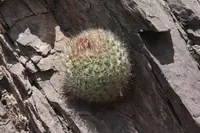
In habitat, this species often grows on rocky slopes and outcrops in central Mexico, where its clustering habit and dense spination help anchor it in shallow, stony soils that experience strong temperature swings and intense sunlight.

FAQs about rainbow pincushion

Growth is generally slow. In home conditions, it often adds only a few millimeters in height or width each year, forming a small clump over many seasons rather than quickly filling a pot or bed.

Grow Healthy Plants with Botan Care

Keep your plants happy and healthy with plant identification, disease detection, and easy care guidance.

Botan plant care app — identify plants on mobile

Explore More Plants