Use clay pots
Choose an unglazed clay pot with a drainage hole to allow faster evaporation and oxygen around the roots, which reduces the risk of rot in this slow-drying globular cactus.

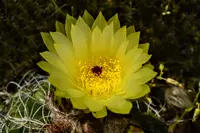
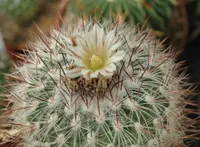
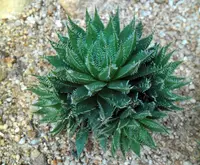
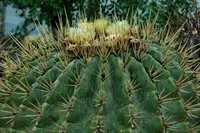
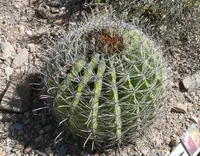
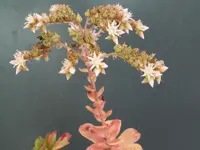
Parodia ottonis, often called a ball cactus, is a small, globular cactus with pronounced ribs and short spines. It typically forms a single rounded stem that may slowly cluster over time. Bright yellow to orange flowers appear near the top in warm seasons, creating a strong contrast with the dark green body. This species comes from grasslands and rocky areas in southern Brazil, Uruguay, and nearby regions. It is adapted to strong light, brief rain, and fast-draining, mineral-rich soils. These traits make it relatively straightforward to care for Cactus indoors or in dry, protected outdoor spots, as long as excess moisture is avoided.

Care Difficulty
Easy Care

Light Preference
Full Sun

Water Requirements
Low Water

Temperature Preference
Warm Climate

Hardiness Zone
10–11

Soil Texture
Sandy, Loamy, Rocky

Soil pH
Slightly acidic (6.5–7.0), Neutral (7.0)

Soil Drainage
Well-drained

Fertilization
Light (every 4–6 weeks)
Scan your plant to receive care tips personalized for your specific plant
Available on iOS and Android
Parodia ottonis prefers bright conditions with some protection from harsh midday sun.
This cactus needs infrequent but thorough watering and fast-draining soil.
This species prefers warm conditions with a cool, dry rest period but no hard frost.
This species prefers fairly dry air and usually does best at 30–50% humidity.
Parodia ottonis needs a very fast-draining, mineral-rich mix to prevent root rot.
This species is very suitable for container growing due to its compact, shallow root system.
Parodia ottonis benefits from light, controlled feeding during the warm growing season and very lean conditions in winter.
Parodia ottonis needs minimal pruning, focused on hygiene rather than shaping.
This cactus grows slowly and prefers slightly tight pots, so repotting is infrequent but still important.
Parodia ottonis is commonly propagated from offsets and seeds under warm, bright, and dry-leaning conditions.
Parodia ottonis needs cool, dry winter conditions and protection from freezing temperatures.

Plant Health Check
Not sure what's wrong with your plant? Check your plant's health inside the app.
This species typically forms a single, nearly spherical stem with distinct, spiraling ribs and pronounced tubercles, giving it a beaded, segmented look compared with smoother-ribbed cacti from the same region.
It is known to produce large, bright yellow to orange flowers even on relatively small, juvenile plants, a trait that makes it more floriferous at an early stage than many other South American globular cacti.
In habitat in southern Brazil, Uruguay, and northern Argentina, it experiences relatively cool winters and can tolerate brief light frosts when dry, which is less common among many strictly warm-adapted tropical cacti.

This species often grows partly sunken into rocky, grassland soils in its native range, so in the wild only the upper part of the globe and flowers may be visible above surrounding vegetation, helping it avoid grazing damage and extreme temperature swings at the surface.
Lack of flowers usually comes from insufficient light, a pot that is too large, or no cool, drier winter rest. Older, well-rooted plants bloom more reliably. Stable conditions and patience are essential for this species to flower.
Keep your plants happy and healthy with plant identification, disease detection, and easy care guidance.