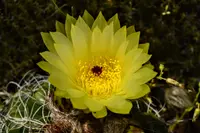



Cactus (Parodia ottonis) Light Needs

Cactus grows best in full sun to very bright light, with several hours of direct sun daily.

Light Preference

Full Sun

Parodia ottonis Light Requirements

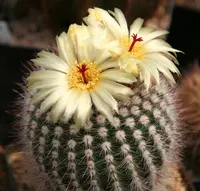
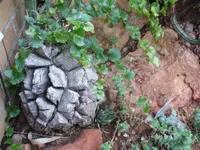
Parodia ottonis is native to open grassland and rocky habitats in southern South America, where light is strong and shade is limited. In habitat, the small globes receive long periods of direct sun, often with some seasonal relief from passing cloud or brief terrain shade. Cultivated plants follow the same pattern in containers. It prefers full sun to very bright light.

  • Ideal exposure:

    Cactus needs about 6–8 hours of full sun or very bright light daily, including 4–6 hours of direct sun.

  • Direct sun:

    Established plants tolerate full sun well, but sudden exposure after shade can scorch the skin.

  • Partial sun:

    Partial sun is tolerated, especially in hot conditions, but growth may be slower and flowering less reliable.

  • Afternoon intensity:

    Morning sun is the safest direct exposure indoors, while hot afternoon sun should be introduced gradually.

Indoors, place this plant where it receives the strongest safe light available.

NPoor
North-facing window:

A north-facing window is usually poor because it rarely supplies enough direct sun for compact growth or reliable flowering.

ESuitable
East-facing window:

An east-facing window is suitable if it provides several hours of direct morning sun and bright light for the rest of the day.

SBest
South-facing window:

A south-facing window is often best, especially within 1–2 ft of the glass where it can receive long, bright exposure.

WSuitable
West-facing window:

A west-facing window is suitable when the plant is acclimated, but harsh late-afternoon sun may need light filtering in hot weather.

If growth starts leaning or stretching, move the pot to a brighter position rather than farther into the room.

Sun damage is most likely after a sudden move into stronger light.

Bleached patches:

Pale cream or whitish areas may appear on the side facing the strongest sun.

Tan scarring:

Sunburn can dry into rough tan or brown marks that do not turn green again.

Stress coloring:

The surface may take on a dull yellow, bronze, or reddish cast after intense exposure.

One-sided damage:

Marks limited to the sun-facing side often suggest light stress rather than a whole-plant issue.

Move the plant back from hot glass or filter the strongest rays. Reintroduce longer direct sun gradually over 1–2 weeks.

Weak light usually changes the shape before it causes obvious decline.

  • Stretched top:

    New growth may become taller, narrower, or pointed instead of staying compact and rounded.

  • Leaning body:

    The plant may angle toward the strongest light source as it tries to capture more light.

  • Poor flowering:

    Flower buds may be fewer or absent when active-season light is too weak.

  • Small new growth:

    Fresh growth may stay undersized or less firm when light is insufficient for normal development.

Move it to a brighter position with more direct sun. Increase exposure over several days if the change is large.

If ideal full sun is not available, choose the brightest spot that gives several hours of direct light and expect slower, less compact growth.

Rotate the pot a quarter turn every 1–2 weeks during active growth to keep the body even and reduce leaning toward the light.

A dim shelf several feet from the light source is unsuitable because it encourages stretched growth and weak flowering.

Get Personalized Care Plan

Scan your plant to receive care tips personalized for your specific plant

FAQ

This plant does best with about 6–8 hours of bright exposure daily, including several hours of direct sun. Strong light supports compact growth and better flowering during the active season.

More Plant Light Guides

Get the Botan App

Discover how to care for your plants with Botan.

Botan app identifying a plant with a phone camera
Best Fertilizer for Vegetable Gardens – What to Use for Each Plant

11 min read · 20 Jul 2026

Best Fertilizer for Vegetable Gardens – What to Use for Each Plant

Here, you’ll find the right fertilizer formula for vegetables in your garden. Learn how to adjust feeding correctly throughout the growing cycle, spot nutrient deficiencies by their symptoms, and keep your plants healthy and prolific.

Plant Recommendations
Best Fertilizer for Vegetable Gardens – What to Use for Each Plant
Best Water for Plants – How to Choose the Right Type

7 min read · 13 Aug 2026

Best Water for Plants – How to Choose the Right Type

Rainwater, filtered, distilled, and tap water affect plants differently. Learn which types support healthy growth and which cause slow damage. Match each to your plants and discover how to easily improve tap water quality.

Plant Care
Best Water for Plants – How to Choose the Right Type
Planting Grass Seed in Summer – What Works and What Fails

7 min read · 6 Aug 2026

Planting Grass Seed in Summer – What Works and What Fails

Summer seeding succeeds when the grass type suits the season, and the soil stays moist. Find out how to prepare the seedbed and choose a safe window for planting.

Plant Care
Planting Grass Seed in Summer – What Works and What Fails