





Snake plant (Dracaena trifasciata) Light Needs

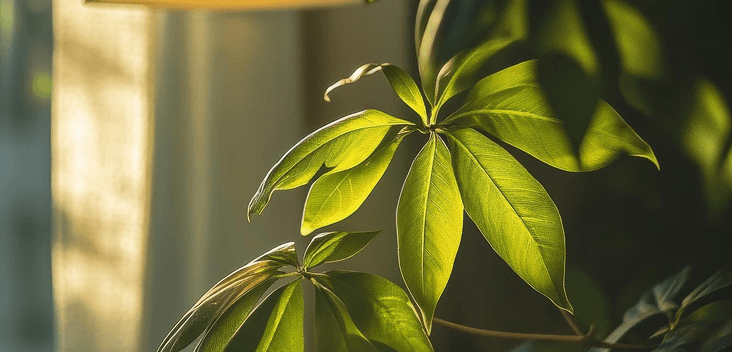
Snake plant grows best in bright, indirect light, with some gentle direct morning sun tolerated indoors.

Light Preference

Bright Indirect Light

Dracaena trifasciata Light Requirements

Dracaena trifasciata is native to parts of tropical West Africa, where it grows in warm, seasonally dry habitats. It can receive bright filtered light, partial shade, and periods of direct sun, especially where vegetation is open or light shifts through the day.

This background explains its flexibility indoors, but steady brightness supports firmer, more even growth. Preferred light is bright indirect or filtered light.

  • Ideal exposure:

    Dracaena trifasciata needs about 6–8 hours of bright, indirect or filtered light daily, including 1–3 hours of gentle direct morning sun.

  • Direct sun:

    It can tolerate some full sun after acclimation, but harsh afternoon sun through glass can scorch leaf surfaces.

  • Lower light:

    Shade is tolerated, but growth becomes slower and leaf contrast may fade in dim rooms.

  • Best timing:

    Morning sun is safer than late-day sun, especially after a move from a darker spot.

Indoors, placement should balance steady brightness with protection from hot glass and sudden harsh sun.

NConditional
North-facing window:

A north-facing window can work if it is unobstructed and close to the glass, but growth may be slower.

EBest
East-facing window:

An east-facing window is usually best, giving bright light and gentle morning sun without the strongest afternoon heat.

SSuitable
South-facing window:

A south-facing window is suitable when the plant sits 2–5 ft back or receives filtered sun through a sheer curtain.

WConditional
West-facing window:

A west-facing window is conditional because late-day sun can be intense, so use distance or filtering to reduce scorch risk.

Choose the brightest safe position available, then adjust gradually if leaves show stress or growth leans.

Strong sun usually causes problems after a sudden move or hot window exposure.

Bleached patches:

Sun-facing areas may turn pale, whitish, or washed out after exposure to strong direct rays.

Tan scorch marks:

Dry tan or brown patches can appear where leaves touch hot light through glass.

Faded leaf color:

Green areas may look dull or overly light when exposure is too intense for the plant's current adjustment.

One-sided damage:

Marks often appear on the side facing the window or afternoon sun, rather than evenly across the plant.

Move it out of harsh afternoon sun and keep the light bright but filtered. If more sun is desired, increase exposure slowly over several weeks.

Dracaena trifasciata tolerates shade, but dim rooms can reduce growth quality over time.

  • Leaning growth:

    Leaves may angle toward the brightest side as the plant reaches for stronger light.

  • Narrow new leaves:

    New growth may appear thinner, smaller, or less upright than older leaves.

  • Faded pattern:

    Variegation or banding may look less distinct when light stays too dim for long periods.

  • Slow active growth:

    Very little new growth during spring and summer can point to insufficient usable light.

Move the plant to brighter indirect light, making the change gradually if the new position includes direct sun. Rotate it occasionally to keep growth more even.

If ideal brightness is not available, choose the brightest stable spot instead of a dim corner; this better matches Dracaena trifasciata light needs while avoiding harsh heat.

Rotate the pot a quarter turn every few weeks when growth leans toward the light.

Avoid sudden placement in unfiltered afternoon sun, because leaves that formed in shade can scorch before they adjust.

Get Personalized Care Plan

Scan your plant to receive care tips personalized for your specific plant

FAQ

This plant does best with 6–8 hours of bright, indirect light daily. A short period of gentle morning sun is useful, but strong afternoon sun is less suitable indoors.

Everything About Snake plant

More Plant Light Guides

Get the Botan App

Discover how to care for your plants with Botan.

Botan app identifying a plant with a phone camera
Best Time to Water Grass in Summer – Lawn Watering Tips

5 min read · 21 Jul 2026

Best Time to Water Grass in Summer – Lawn Watering Tips

Summer watering is easy to get wrong. This guide explains when to turn on your sprinkler, how much liquid your grass needs each week, and how to tell if you're overwatering or underwatering.

Plant Care
Best Time to Water Grass in Summer – Lawn Watering Tips
How to Group Plants in Landscaping: A Practical Layout Guide

8 min read · 31 Aug 2026

How to Group Plants in Landscaping: A Practical Layout Guide

Good plant grouping can mean the difference between a well-planned garden and one that looks sloppy. This guide explores layers, spacing, cluster shapes, and the plants that thrive when you group them.

Plant Care
How to Group Plants in Landscaping: A Practical Layout Guide
How To Revive a Dying Plant: 6 Steps To Bring A Plant Back To Life

6 min read · 1 Sept 2026

How To Revive a Dying Plant: 6 Steps To Bring A Plant Back To Life

Drooping leaves and brown tips don't always mean the end, and a weakened plant can often recover with a little help. These six simple steps will help you revive a dying plant and restore its health.

Plant Care
How To Revive a Dying Plant: 6 Steps To Bring A Plant Back To Life