

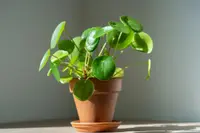

peperomia (Peperomia pereskiifolia) Light Needs

Peperomia grows best in bright, indirect light, with only gentle direct sun for short periods.

Light Preference

Bright Indirect Light

Peperomia pereskiifolia Light Requirements

Peperomia pereskiifolia is associated with warm, humid forest habitats where taller vegetation breaks up the sun before it reaches the lower growth. In these settings, leaves receive bright filtered light, brief sunflecks, and some seasonal shade rather than long open sun.

This background explains its indoor preference for strong daylight without harsh exposure. Preferred light is bright, indirect or filtered light.

  • Ideal exposure:

    Peperomia pereskiifolia needs about 6–8 hours of bright, indirect or filtered light daily, including up to 1–2 hours of gentle direct morning sun.

  • Direct sun:

    Brief early sun is tolerated, but full sun and hot afternoon rays can scorch the fleshy leaves.

  • Lower light:

    Shade is tolerated, though growth may stretch and new leaves may stay smaller.

  • Best timing:

    Morning light is safer than west-facing afternoon sun, especially in summer.

Indoors, choose a bright spot where the plant gets strong daylight without long direct sun.

NConditional
North-facing window:

Use only a bright, unobstructed north window, keeping the pot close to the glass and watching for stretched growth.

EBest
East-facing window:

Place it within 1–3 ft of the window for gentle morning sun and bright indirect light afterward.

SSuitable
South-facing window:

Set it 3–6 ft back or behind a sheer curtain so midday sun does not strike the leaves directly.

WConditional
West-facing window:

Keep it several feet back or filter the window because hot afternoon sun is more likely to scorch the leaves.

Shift the pot closer in winter if growth stretches, then move it back before strong summer sun returns.

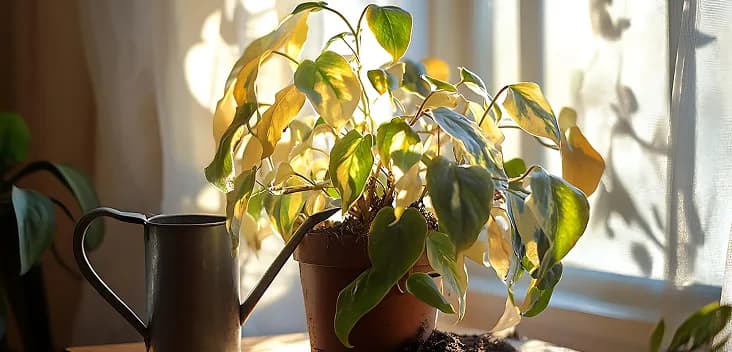
Strong sun can leave lasting marks on the fleshy leaves.

Bleached patches:

Pale or silvery areas on the sun-facing side can appear after sudden direct exposure.

Tan scorch marks:

Dry tan spots that do not spread evenly across the plant often follow harsh window sun.

Flattened color:

Leaves may look dull or washed out instead of evenly green when light is too intense.

Cupped leaves:

Newer leaves may curl or cup slightly during repeated hot afternoon exposure.

Move the plant out of direct afternoon sun right away. Use filtered light or set it farther from the glass, then watch new growth for improvement.

Low light usually changes the plant’s shape before it causes obvious damage, especially during active growth.

  • Long internodes:

    Stems may stretch, leaving wider spaces between leaves than on older compact growth.

  • Leaning growth:

    New stems may angle strongly toward the brightest side of the room.

  • Small new leaves:

    Fresh growth may emerge smaller and thinner when light stays weak for weeks.

  • Sparse appearance:

    The plant may look open instead of full when stems keep extending toward light.

  • Slow warm-season growth:

    Little change during spring or summer can suggest the plant is not receiving enough usable light.

Move it gradually into brighter indirect light, avoiding a sudden shift into harsh sun. Rotate after the move so new growth develops more evenly.

Choose bright shade over harsh sun when ideal light is not available. Place the pot where the leaves receive strong daylight but no long, hot afternoon rays.

Rotate the pot a quarter turn every 1–2 weeks to prevent one-sided growth. Clean dusty glass or move nearby objects that block daylight.

An interior corner far from daylight is a poor setup because shade tolerance does not mean the plant can grow well in dim rooms.

Get Personalized Care Plan

Scan your plant to receive care tips personalized for your specific plant

FAQ

The best light for peperomia is bright, indirect or filtered light for most of the day. A small amount of gentle morning sun is usually fine, but harsh afternoon sun is risky.

More Plant Light Guides

Get the Botan App

Discover how to care for your plants with Botan.

Botan app identifying a plant with a phone camera
Dill Companion Plants – What to Grow Next to Dill

9 min read · 17 Jul 2026

Dill Companion Plants – What to Grow Next to Dill

Dill is an easy-to-grow plant that gets along well with many vegetables. This guide describes 15 plants that can be planted alongside it, a few to avoid, and mistakes that can quietly sabotage the entire process.

Plant Recommendations
Dill Companion Plants – What to Grow Next to Dill
Is Sugar Water Good for Plants?

4 min read · 14 Sept 2026

Is Sugar Water Good for Plants?

Sugar water may sound like an easy boost, but most rooted plants do not need extra sucrose. This guide explains how green tissues produce carbohydrates, when a sweetened solution can be useful, and why too much can cause problems.

Plant Care
Is Sugar Water Good for Plants?
Banana Peel Water for Plants: 5 Things to Know Before Trying It

5 min read · 9 Jul 2026

Banana Peel Water for Plants: 5 Things to Know Before Trying It

Banana water can provide potassium and some nutrients that may support plant growth, but it is not a universal fix. Use it carefully and only when the plant actually shows signs of nutrient deficiency rather than as a routine treatment.

Plant Care
Banana Peel Water for Plants: 5 Things to Know Before Trying It