



Creeping Fig (Ficus pumila) Light Needs

Creeping Fig grows best in bright, filtered light with brief gentle sun and protection from harsh afternoon rays.

Light Preference

Partial Shade

Ficus pumila Light Requirements

Ficus pumila is native to parts of eastern Asia, where it climbs rocks, cliffs, and shaded vertical surfaces in humid subtropical to warm temperate areas. Young creeping growth often starts in filtered light or partial shade, then may receive brighter seasonal sun as it spreads over exposed surfaces. In cultivation, this pattern translates to bright filtered light with some gentle direct sun. Preferred light is bright filtered or partial sun.

  • Ideal exposure:

    Creeping Fig needs about 6–8 hours of bright, indirect or filtered light daily, including 1–3 hours of gentle direct morning sun.

  • Direct sun:

    Established plants can tolerate more sun, especially outdoors, but sudden full sun can scorch tender new leaves.

  • Lower light:

    Partial shade is tolerated, though growth becomes thinner and slower when light stays weak for long periods.

  • Afternoon sun:

    Hot west or south exposure is riskiest through glass or during summer and is safer when filtered.

Indoors, Creeping Fig does best close to a bright window with filtered light or mild direct sun.

NConditional
North-facing window:

A north-facing window can work only if it is bright and unobstructed; growth may be slower several feet from the glass.

EBest
East-facing window:

An east-facing window is usually best because it gives bright light and gentle morning sun without intense late-day heat.

SSuitable
South-facing window:

A south-facing window is suitable when the plant sits 2–5 ft back or direct rays are softened by a sheer curtain.

WConditional
West-facing window:

A west-facing window can be too hot in summer unless the plant is set back or protected from strong afternoon sun.

If the plant has been in shade, increase exposure over 1–2 weeks before giving it stronger sun.

Ficus pumila can tolerate sun, but abrupt or intense exposure may cause visible stress.

Pale patches:

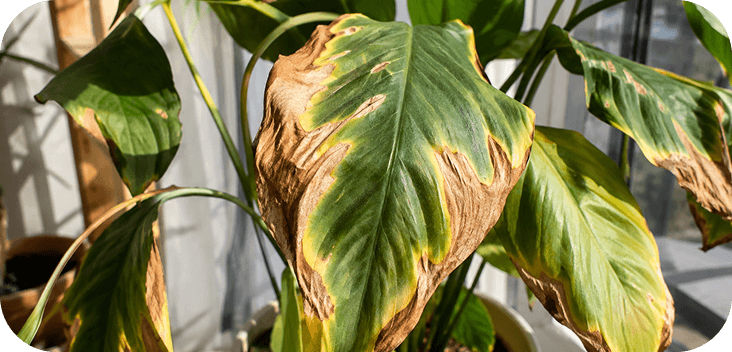
Leaves may develop bleached tan or whitish areas where strong sun hits the same spot.

Crisped leaf surfaces:

Thin leaves can look dry, papery, or scorched after sudden exposure to hot direct rays.

Curled new growth:

Tender new leaves may curl or tighten when light and heat are intense through glass.

Patchy top growth:

The most exposed vines may look stressed while shaded growth remains normal.

Move the plant out of harsh afternoon sun or add a sheer curtain. Keep the brighter exposure gentle while new leaves adjust.

Ficus pumila tolerates shade, but long-term dim light often changes its growth pattern.

  • Stretched vines:

    Longer, thinner stems with wider gaps between leaves often develop when light is too weak.

  • Leaning growth:

    Vines may grow strongly toward the nearest window or brighter side of the room.

  • Small new leaves:

    New leaves may emerge smaller than older leaves during the active growing season.

  • Weaker variegation:

    Variegated forms may show less contrast when kept in dim light for extended periods.

Move the plant gradually to a brighter position with filtered light. Avoid shifting it straight from deep shade into strong sun.

If ideal filtered light is not available, choose the brightest spot that avoids long, hot afternoon sun. Move the pot a little closer to the light source if vines stretch or new leaves shrink.

Rotate the pot every 1–2 weeks so growth stays even on all sides. Use a sheer curtain if direct rays create hot leaf surfaces.

A dim corner several feet from daylight is a poor setup because new growth will usually become sparse and weak.

Get Personalized Care Plan

Scan your plant to receive care tips personalized for your specific plant

FAQ

The best light for Creeping Fig is bright, filtered light for most of the day, with a short period of gentle morning sun if the plant is acclimated.

More Plant Light Guides

Get the Botan App

Discover how to care for your plants with Botan.

Botan app identifying a plant with a phone camera
Frozen vs Fresh Vegetable Nutrients: Which Option Is Healthier?

6 min read · 8 Sept 2026

Frozen vs Fresh Vegetable Nutrients: Which Option Is Healthier?

Frozen and fresh vegetables are nutritionally comparable: frozen produce often retains vitamins just as well as fresh and may sometimes contain more. Here’s how blanching and storage affect nutrients—and when to choose each.

Plant Recommendations
Frozen vs Fresh Vegetable Nutrients: Which Option Is Healthier?
Can Plants Grow With Artificial Light?

6 min read · 15 Sept 2026

Can Plants Grow With Artificial Light?

Plants can grow under artificial light when the setup provides a suitable spectrum, enough intensity, and sufficient daily exposure. This guide explains how artificial lighting compares with sunlight, which options work indoors, and how to match a setup to houseplants.

Plant Care
Can Plants Grow With Artificial Light?
Best Fertilizer for Grass in Summer: How to Choose the Right One

6 min read · 18 Aug 2026

Best Fertilizer for Grass in Summer: How to Choose the Right One

The right fertilizer in summer can make a lawn thrive. The wrong one can damage it. Here, you’ll learn the best NPK ratios by grass type, when and how to apply your formula, and how to recognize the signs of over- or under-fertilizing.

Plant Care
Best Fertilizer for Grass in Summer: How to Choose the Right One